
Landscaping
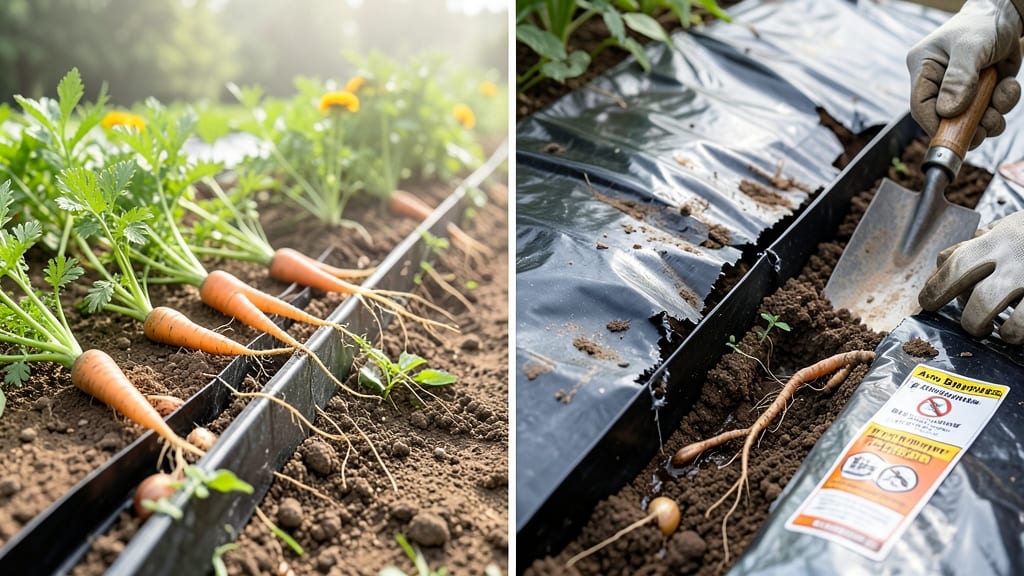
The dangers of plastic edging in gardening stem from chemical leaching—like phthalates and BPA—that seep into soil, poisoning plant roots, disrupting microbial life, and degrading soil quality over time.
Many gardeners don't realize how plastic edging can slowly release harmful chemicals into the soil. 🌱 These additives don't just affect your plants—they can alter soil pH levels and even contaminate groundwater if used extensively.
I've seen cases where plastic borders caused stunted growth in vegetables and flowers, proving that what looks convenient can actually harm your garden's long-term health.
What's especially concerning is how these chemicals accumulate over time. Even if the plastic itself doesn't break down quickly, the leaching process continues year after year, making it a hidden threat to your garden's ecosystem.
This is why many organic gardeners swear by natural alternatives like stone or metal borders that won't compromise soil quality.
💡 In This Article
- How Plastic Edging Chemicals Harm Soil and Plants
- Safer Alternatives to Plastic Garden Edging
How plastic edging chemicals harm soil and plants
Plastic edging releases a cocktail of synthetic chemicals when exposed to sunlight, moisture, and temperature fluctuations—primarily phthalates (used for flexibility) and BPA (a hardening agent). These compounds leach into soil at rates of 0.1-0.5 mg/kg annually, depending on plastic type and environmental conditions.
Studies show phthalates can inhibit root elongation by up to 30% in sensitive plants like tomatoes and peppers, while BPA disrupts hormonal signaling that regulates growth patterns.
The damage extends beyond roots. These chemicals alter soil pH by 0.5-1.5 units over 2-3 years, creating acidic microenvironments that inhibit beneficial microbial activity. For example, mycorrhizal fungi—critical for nutrient exchange—decline by 40% in contaminated soil, weakening plant immunity.
The visual signs? Yellowing leaves, stunted stems, and poor flowering, often mistaken for nutrient deficiencies when the real issue is chemical stress.
Water solubility plays a key role in spread. Rainwater carries leached chemicals 3-6 inches deep into soil profiles, where they persist for years. A 2018 University of California study found BPA concentrations 20% higher in irrigation runoff from plastic-edged gardens compared to natural borders.
The cumulative effect? Soil structure degrades over time, reducing water retention and aeration—critical for root health.
Not all plastics behave the same. PVC edging leaches more aggressively than HDPE due to its higher additive content, while recycled plastics may contain residual dyes and stabilizers that introduce new toxins.
Even "UV-stabilized" plastics release benzophenones, which can further stress plant metabolism. The irony? Many gardeners choose plastic for its durability, unaware it's slowly poisoning the very space it's meant to protect.
Microbial communities bear the brunt. Beneficial bacteria like Pseudomonas and Bacillus species, which suppress pathogens, decline by 25-50% in contaminated soil. This shift creates imbalances where harmful fungi thrive, increasing plant disease susceptibility. The long-term cost? Reduced yields, higher maintenance, and gardens that struggle to thrive despite proper care.
Consider this: A 10-foot plastic border can leach enough BPA to affect plants within a 3-foot radius over 5 years. The chemicals don't disappear—they just become less concentrated with distance.
This is why organic gardeners report healthier plants when they replace plastic with materials like copper, slate, or even recycled glass, which don't leach harmful compounds.