
Tools
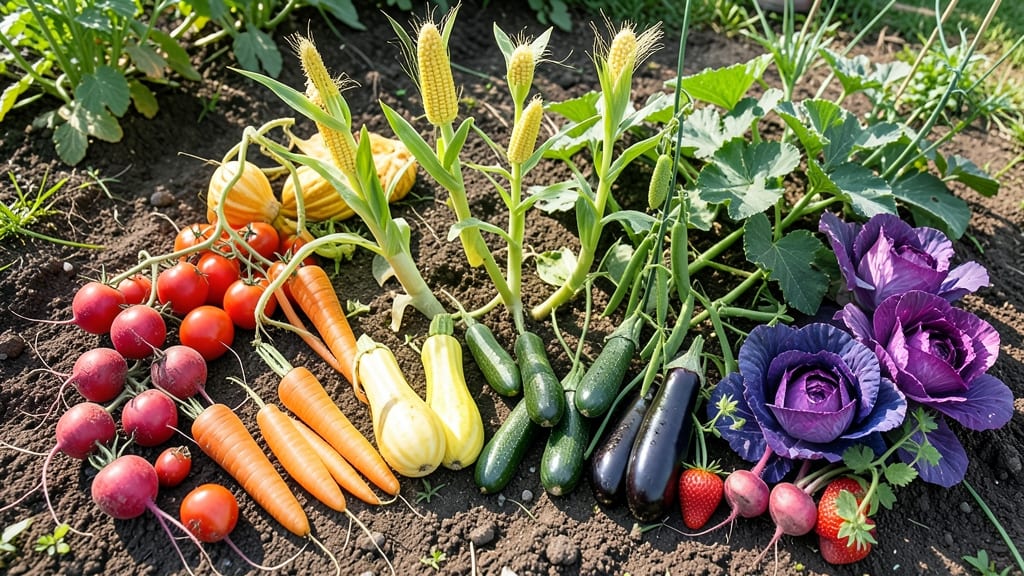
A rainbow garden menu organizes plant-based dishes by color—red, orange, yellow, green, blue/purple, and white—to create visually stunning plates while ensuring you get a broad spectrum of vitamins, antioxidants, and seasonal flavors from your own garden or local sources.
A rainbow garden menu isn't just about pretty plates—it's a smart way to pack more nutrition into your meals. 🌈 Each color group brings unique benefits: reds like tomatoes and beets deliver lycopene for heart health, while greens such as kale and spinach offer iron and calcium.
The blue/purple category, with ingredients like blueberries and eggplant, provides anthocyanins that fight inflammation. I've found that this approach naturally balances my meals, making sure I'm getting a variety of nutrients without even thinking about it.
What makes this system even better is how it ties directly to your garden. By planning your plantings around color families, you can ensure continuous harvests throughout the growing season.
For example, you might start with reds in early spring, transition to oranges and yellows in summer, and finish with whites and greens in fall. This rotation keeps your meals exciting while reducing food waste.
💡 In This Article
- Nutritional Benefits of a Color-Coded Plant-Based Menu
- Seasonal Rainbow Garden Plant Pairing Guide
Nutritional benefits of a color-coded plant-based menu
The color coding in a rainbow garden menu isn't arbitrary—each hue represents a unique family of phytonutrients that work together to support health. Red vegetables like tomatoes and bell peppers contain lycopene, an antioxidant linked to reduced heart disease risk, while their deep pigment signals high vitamin C content (about 125% DV per cup in red bell peppers). Orange produce such as carrots and sweet potatoes pack beta-carotene, which converts to vitamin A in your body, crucial for vision and immune function—one medium carrot provides 150% DV.
Green leafy vegetables like spinach and kale are powerhouses of chlorophyll, which aids detoxification, while their vibrant color indicates high levels of vitamin K (essential for bone health) and folate. Blue/purple foods like blueberries and eggplant contain anthocyanins, compounds that combat inflammation and may improve brain function—studies show blueberries have 93% more antioxidants than other common fruits. The white category, including onions and mushrooms, provides allicin and selenium, which support immune function and thyroid health.
What makes this system particularly effective is how these nutrients work synergistically. For example, pairing red tomatoes (rich in lycopene) with green basil (high in vitamin K) enhances lycopene absorption by 30% due to the fat-soluble nature of lycopene.
Similarly, the vitamin C in orange bell peppers helps convert beta-carotene into vitamin A more efficiently. This color coordination ensures you're not just getting vitamins—you're maximizing their absorption and benefits.
Another key advantage is how this approach naturally balances meals. Most people unknowingly eat a limited color palette, missing out on critical nutrients. A rainbow garden menu forces diversity—think of a plate with red cherry tomatoes, orange butternut squash, green broccoli, and purple cabbage.
This visual diversity translates directly to nutritional completeness, covering everything from antioxidants to fiber to essential vitamins in a single meal.
Seasonal variations also play a role in nutrient density. Summer tomatoes, for instance, contain 50% more lycopene than winter greenhouse varieties, while fall carrots have higher beta-carotene levels. By planning your garden around color families, you ensure you're always harvesting the most nutrient-dense produce available at that time of year.
This seasonal rotation isn't just good for nutrition—it keeps your meals exciting and your garden productive year-round.
Consider this practical example: A summer salad with red heirloom tomatoes, orange shishito peppers, green arugula, and purple cabbage provides a complete nutrient profile that would be difficult to replicate with a single-color approach.
The red and orange components offer heart-protective antioxidants, while the green and purple elements contribute to anti-inflammatory benefits—all in one visually stunning dish. 🌈