
Tools
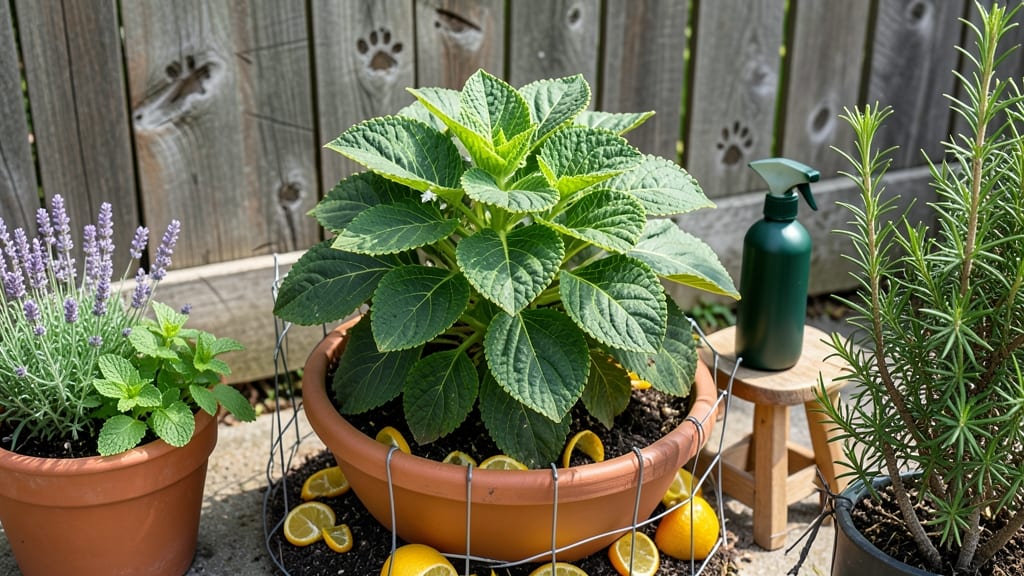
To repel cats from your garden, use natural deterrents like citrus peels, coffee grounds, or commercial sprays containing capsaicin, which disrupt their scent-marking instincts and create unpleasant environments without harming them or your plants.
Cats avoid these methods because they rely on scent, texture, and visual cues to navigate their environment. 🐱 Citrus peels and coffee grounds disrupt their scent-marking behavior, while capsaicin-based sprays create temporary discomfort without lasting harm.
The key is consistency—cats learn patterns, so reapply deterrents every few days or after rain. I've found that combining multiple methods (like placing citrus peels near mulch beds and using motion-activated sprinklers) gives the best results, as it confuses their instincts on multiple levels.
For example, sprinkling used coffee grounds around garden edges creates an unpleasant texture while releasing smells cats dislike. Meanwhile, commercial sprays with capsaicin mimic the burning sensation they'd experience from hot peppers, making them think twice about lingering.
The beauty of these solutions is they're pet-safe when used correctly and won't damage your plants—just avoid overapplying strong essential oils like citrus, which can harm some foliage.
💡 In This Article
- How Cats Detect and Avoid Garden Deterrents
- Best Natural and Commercial Cat Repellents for Gardens
How cats detect and avoid garden deterrents
Cats rely on three primary senses to navigate and avoid garden areas: scent, texture, and visual cues. Their keen noses detect pheromones and chemical signals left by other cats, which is why they mark territory with urine and scratches.
When you introduce strong-smelling deterrents like citrus or coffee grounds, you're essentially "rewriting" their scent map, confusing their natural instincts. These scents mask their own markings and create an unfamiliar environment that makes them uncomfortable.
The texture of certain materials also plays a crucial role. Cats dislike rough or prickly surfaces because they trigger their natural avoidance of potential threats or discomfort. For example, spreading coarse mulch or using prickly plants like rosemary creates an unpleasant sensation when they walk through it.
This physical discomfort reinforces the message from scent deterrents, making the area less appealing. Motion-activated sprinklers add another layer by combining visual and auditory stimuli—cats associate sudden movements with danger, so the unexpected spray reinforces their avoidance.
Visual deterrents exploit a cat's instinctual wariness of unfamiliar objects. Reflective tape or wind chimes create movement and light patterns that mimic predators, triggering their natural caution. Cats are territorial animals, and anything that disrupts their ability to "own" a space will make them seek safer ground.
The key is to combine multiple sensory deterrents—like placing citrus peels near prickly mulch and adding reflective tape—to create a multi-layered barrier that overwhelms their instincts.
Cats also avoid areas where they feel vulnerable. Motion-activated devices, like sprinklers or ultrasonic emitters, exploit this by creating unpredictable reactions. The sudden burst of water or high-pitched sound startles them, reinforcing the message that this area is unsafe.
This is why commercial products often include a combination of scent, texture, and motion-based deterrents—they attack the problem from multiple angles simultaneously. For example, a capsaicin-based spray creates a burning sensation (scent/texture), while a nearby motion-activated sprinkler adds the visual/auditory threat.
Understanding these mechanisms helps you choose the right combination of deterrents. For instance, if your garden has soft soil, adding gravel or coarse sand creates an unpleasant texture while providing a surface for scent deterrents to adhere to.
Meanwhile, placing reflective objects near entry points confuses their spatial awareness. The goal is to make your garden feel like a place they'd rather avoid than explore.
One common mistake is relying on a single deterrent. Cats are clever and can adapt quickly to one type of repellent. For example, if you only use citrus peels, they might eventually get used to the smell.
However, combining scent, texture, and visual deterrents creates a more robust defense that's harder for them to ignore. This multi-sensory approach mimics how cats naturally assess their environment—by integrating multiple cues, you're speaking their language in a way that's impossible to ignore.