
Tools
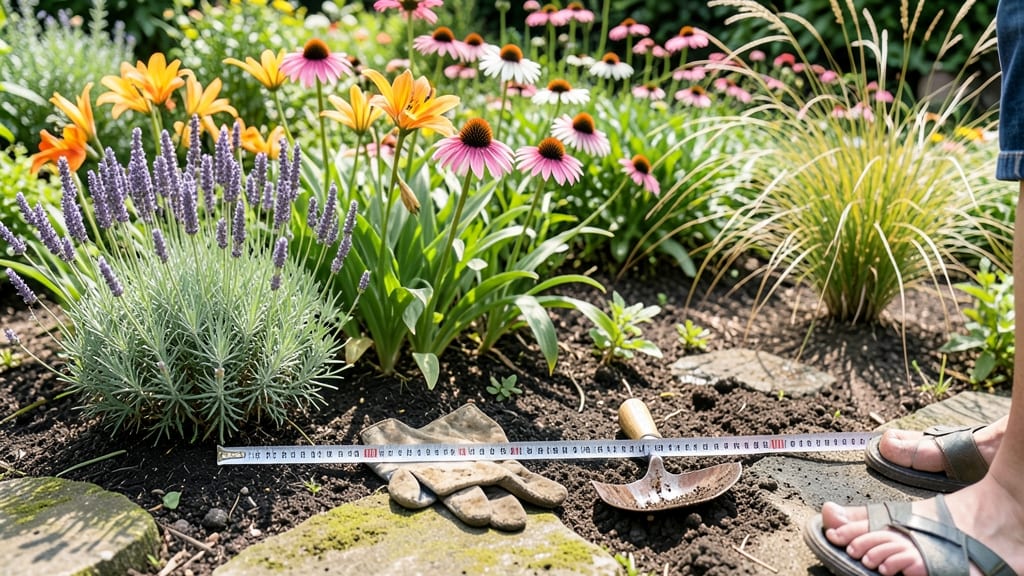
The size of a garden you need depends on what you're growing, how much sunlight your plants require, and how you plan to organize your space, with compact designs (10x10 ft) working well for herbs and potted plants, while larger areas (20x20 ft+) provide room for vegetables, shrubs, and mature trees.
Your garden's dimensions should align with both your green thumb goals and your outdoor space's reality.
For example, a 10x10 ft plot can easily support a thriving herb garden or container plants, while a 20x20 ft+ area opens up possibilities for fruit trees, berry bushes, and sprawling vegetables like zucchini or pumpkins. 🌱 The key is balancing plant spacing with sunlight access—most vegetables need at least 6-8 hours of direct sun daily, while shade-loving plants like lettuce or ferns thrive in partial light.
Don't forget to consider your layout preferences too. Vertical gardening techniques can maximize small spaces by utilizing walls and trellises, while raised beds offer better soil control in tight areas.
For larger gardens, creating distinct zones for different plant types (like a vegetable patch separate from flowering perennials) makes maintenance much easier. The right size isn't just about square footage—it's about creating a functional, enjoyable space that matches both your plants' needs and your lifestyle.
💡 In This Article
- Plant Spacing and Sunlight Requirements for Garden Sizing
- Garden Layout Strategies for Maximizing Small and Large Spaces
Plant spacing and sunlight requirements for garden sizing
Every plant has unique spatial needs that directly impact your garden's size requirements. Vegetables like tomatoes need 18-24 inches between plants to prevent disease spread, while leafy greens such as lettuce can thrive in 6-12 inches of spacing. The reason?
Root systems compete for nutrients, and foliage needs airflow to prevent fungal infections. For instance, a single zucchini plant can spread 3-5 feet wide if unchecked, while a compact bush bean stays within 4-6 inches of its neighbors.
Sunlight demands vary dramatically between plant types. Most vegetables require 6-8 hours of direct sun daily, but shade-tolerant plants like Swiss chard or kale can manage with 4-6 hours.
Trees and shrubs have even more complex needs—apple trees need 6-8 hours but also 20-25 feet of space for mature growth, while blueberry bushes thrive in 3-5 feet of diameter with 3-4 hours of sun.
The science here involves chlorophyll production: insufficient light means slower growth and lower yields, while too much can scorch delicate foliage.
Perennials add another layer of planning since they return yearly. Lavender, for example, needs 12-18 inches between plants and 5-6 hours of sun, while hostas prefer 18-24 inches spacing in partial shade.
The key is matching plant habits to your space—crowding leads to competition, while over-spreading plants waste potential growing area. For instance, a 10x10 ft garden could fit 9 lavender plants in a grid pattern, but only 4-5 hostas with proper spacing.
Consider vertical growth to optimize space. Pole beans climb 6-8 feet tall but only need 4-6 inches of base width, while cucumbers trained on trellises stay off the ground, freeing up valuable square footage.
This technique can turn a 5x5 ft area into productive space for vining plants that would otherwise sprawl. The trade-off? You'll need sturdy supports and regular pruning to maintain structure.
Soil depth matters too—root systems vary from shallow (like strawberries at 6-12 inches) to deep (like asparagus at 12-18 inches). Amending soil with compost can help shallow-rooted plants thrive in smaller spaces, but deeper-rooted crops may need raised beds or mounded soil to prevent root competition.
For example, a 4x8 ft raised bed can accommodate both shallow herbs and deep-rooted carrots if layered properly.
Here's a quick reference for common plants:
- Vegetables: Tomatoes (18-24" spacing), Carrots (2-3"), Zucchini (3-5 ft spread)
- Herbs: Basil (6-12"), Rosemary (2-3 ft mature), Thyme (12-18")
- Fruit: Blueberries (3-5 ft diameter), Strawberries (12-18"), Raspberries (2-3 ft)