
Planting
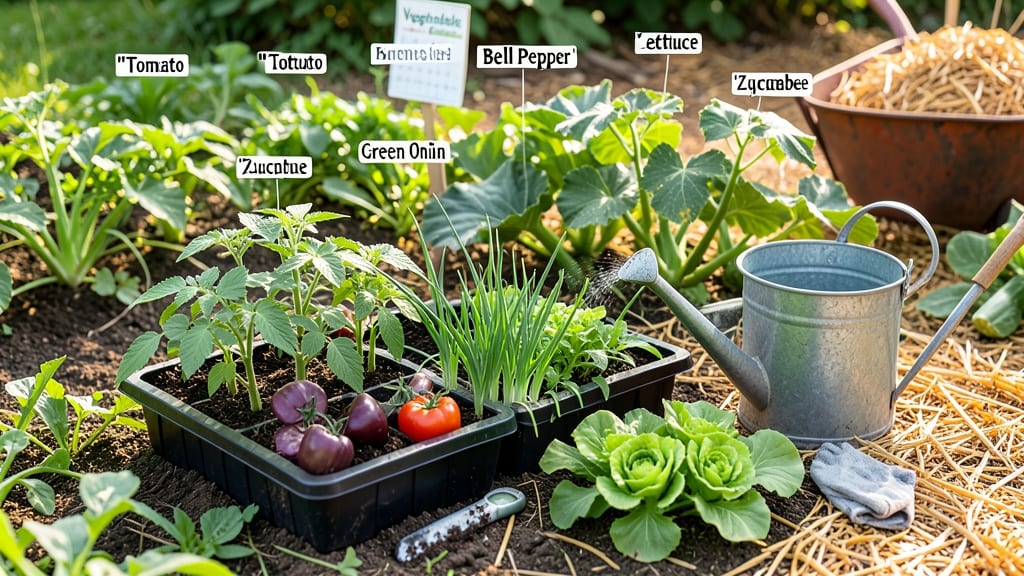
Planting a vegetable garden in Oklahoma means timing your crops perfectly to avoid the scorching summers and unpredictable frosts that can turn your hard work into wilted dreams.
Oklahoma’s unique climate—with its sweltering heat and late frosts—demands precision. Plant too early, and your warm-season crops like tomatoes and peppers will bolt or rot. Plant too late, and cool-season veggies like lettuce and spinach will bolt before you can harvest.
Get it right, though, and you’ll enjoy a garden that thrives from spring through fall.
In this guide, I’ll break down the best planting windows for your region—whether you’re in USDA Zone 6b or Zone 8a—so you know exactly when to sow seeds or transplant seedlings for maximum success.
You’ll also discover how to prep your soil, avoid common mistakes, and extend your growing season with smart techniques tailored to Oklahoma’s challenges. Let’s get those vegetables growing the right way!
Oklahoma frost dates and planting zones: the critical timeline for vegetable success
Oklahoma’s USDA Plant Hardiness Zones 6b–8a create a unique challenge for gardeners, with last frost dates ranging from mid-March in southern regions to early April in northern areas. These dates determine when you can safely plant warm-season crops like tomatoes and peppers without risking frost damage.
Meanwhile, cool-season crops like lettuce and spinach need to be sown early or late in the season to avoid bolting or freezing.
Understanding your local frost dates is the first step to a successful vegetable garden.
In Oklahoma, the average last frost date varies by region—northern areas like Enid (Zone 6b) typically see their last frost around April 15, while southern areas like Tulsa (Zone 7a) can plant as early as March 1.
These dates shift slightly each year, so always check local weather forecasts before planting.
For warm-season vegetables, wait until after the last frost and when soil temperatures reach at least 60°F.
In Oklahoma, this usually means planting tomatoes, peppers, and cucumbers in late April to early May. Cool-season crops, on the other hand, can often be planted 4–6 weeks before the last frost, typically in February or early March, for an early harvest.
Here’s a quick reference for Oklahoma’s planting zones and frost dates, broken down by region:
Use this frost date timeline to plan your spring and fall planting schedules. For example, in Zone 7a (Oklahoma City), you can start cool-season crops like broccoli and cabbage in February for an early spring harvest, while warm-season crops like peppers should wait until after April 1.
In Zone 6b (Enid), push warm-season planting back to late April to avoid frost damage.
Oklahoma’s fall planting window is equally important. Many gardeners overlook the fact that cool-season crops can thrive in Oklahoma’s mild fall weather. Start seeds or transplant lettuce, spinach, and kale in late July to early August for a harvest before the first frost.
This fall garden can be just as productive as spring, especially in southern Oklahoma (Zones 7b–8a), where the growing season extends later.
For precise timing, use the Oklahoma Mesonet or OSU Extension Service frost maps to track local conditions. These resources provide real-time updates on soil temperatures and frost predictions, helping you adjust your planting schedule as needed.
Remember, soil temperature is just as critical as air temperature—warm-season crops won’t germinate in cold soil, even if the air is warm.
Pro tip: Use row covers or cold frames to extend your growing season in northern Oklahoma (Zone 6b). These tools can protect tender seedlings from late frosts and even allow you to plant warm-season crops a few weeks earlier.
In southern Oklahoma (Zones 7b–8a), focus on succession planting to maximize your harvests throughout the year.
By aligning your planting schedule with Oklahoma’s frost dates and USDA zones, you’ll avoid common mistakes like planting too early or too late. Whether you’re growing tomatoes in Tulsa or lettuce in Enid, timing is everything for a thriving vegetable garden. 🌱
Best vegetables to plant in Oklahoma by season: a month-by-month guide
Oklahoma’s long growing season and hot summers create perfect conditions for a diverse vegetable garden. But timing is everything—planting tomatoes too early or lettuce too late can ruin your harvest.
The key is matching each crop to its ideal planting window, whether it thrives in cool spring soil or sweltering summer heat. With the right schedule, you can enjoy fresh homegrown veggies from early spring through late fall.
For Oklahoma gardeners, succession planting is your secret weapon. By staggering plantings every 2-3 weeks, you’ll avoid gluts and gaps, ensuring a steady supply of peppers, green beans, and kale.
Warm-season crops like okra and sweet potatoes love Oklahoma’s heat, while spinach and radishes prefer milder temperatures. Let’s break down the best month-by-month planting guide for 12 top Oklahoma vegetables.
🌱 Oklahoma Vegetable Planting Schedule
- March-April: Lettuce, spinach, peas, onions (cool-season crops)
- April-May: Tomatoes, peppers, eggplants (after last frost, soil ≥60°F)
- May-June: Green beans, cucumbers, squash (succession plant every 2 weeks)
- June-July: Okra, sweet potatoes, Southern peas (heat-loving crops)
- July-August: Fall broccoli, kale, radishes (for late harvests)
- August-September: Carrots, beets, turnips (cool-season starters)
Pro Tip: Use row covers to extend spring and fall seasons by 2-3 weeks.
Start with cool-season crops like lettuce and spinach in March, as they tolerate light frosts. Once temperatures rise above 50°F, switch to warm-season plants such as tomatoes and peppers.
Oklahoma’s USDA Zones 6b-8a mean your last frost date varies—typically March 15-April 15 in the north and February-March in the south. Use a soil thermometer to confirm warm-season crops are planted only when soil reaches 60°F.
For continuous harvests, practice succession planting with green beans and radishes. Sow seeds every 2 weeks from May through July to avoid overproduction. Okra and sweet potatoes thrive in Oklahoma’s summer heat and should be planted in late May-June.
These crops need well-draining soil and full sun to prevent disease. Mulch heavily to retain moisture and regulate soil temperature.
Don’t overlook fall planting! After Labor Day, sow broccoli, kale, and carrots for a late-season harvest. These crops handle cool nights and even light frosts. Use black plastic mulch to warm soil in early spring or late fall, giving plants a head start.
Oklahoma’s extended growing season means you can grow two full harvests of most vegetables—just time it right!
Local Oklahoma varieties like ‘Cherokee Purple’ tomatoes and ‘Arkansas Traveler’ peppers are bred to handle heat and humidity. Pair them with drought-tolerant crops like black-eyed peas and collard greens to reduce watering needs.
With this month-by-month guide, you’ll maximize your garden’s potential and enjoy fresh, homegrown vegetables all year long. Happy planting! 🌿