
Tools
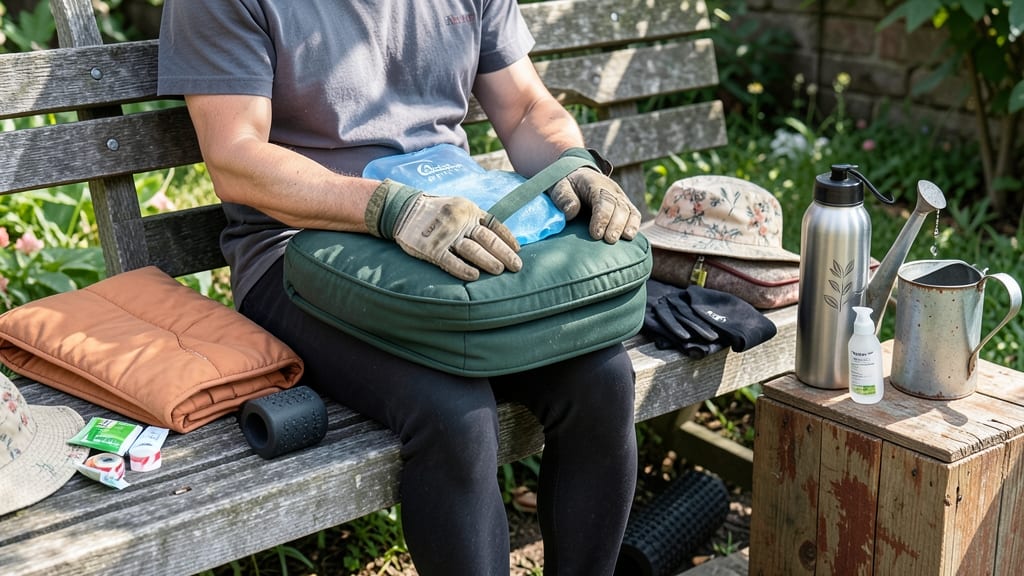
Treating lower back pain after gardening starts with gentle stretches like the cat-cow stretch, child’s pose, and pelvic tilts to release muscle tension. Apply heat or ice, then avoid prolonged sitting or heavy lifting for 24-48 hours to prevent flare-ups.
Gardening puts unique stress on your lower back through repetitive bending, twisting, and awkward lifting motions.
These movements tighten muscles like the piriformis and hamstrings while compressing spinal discs, often leading to stiffness or sharp pain afterward. 🌿 The key to relief is addressing tension immediately—dynamic stretches help restore mobility, while heat or ice reduces inflammation.
I’ve found that combining these with proper posture during gardening (like using knee pads or ergonomic tools) can cut recovery time in half.
For long-term prevention, focus on strengthening your core and glutes to support your spine during physical tasks. Even 10 minutes of targeted exercises before gardening can make a noticeable difference in how your back feels afterward.
Always listen to your body—if pain persists beyond 48 hours or radiates down your legs, it’s time to consult a physical therapist for personalized guidance.
💡 In This Article
- How Gardening Strains Your Lower Back
- 5 Best Stretches for Immediate Lower Back Relief
How gardening strains your lower back
Gardening turns your lower back into a pressure cooker of biomechanical stress. Every time you bend to pick up a shovel or twist to reach a plant, you're compressing your lumbar spine by up to 30-50% compared to standing.
This happens because the natural curve of your lower spine (lordosis) flattens under forward bending, shifting pressure onto the spinal discs and facet joints. The repetitive nature of gardening—digging, weeding, and lifting—creates micro-tears in muscles like the erector spinae and multifidus, which are critical for spinal stability.
The real damage often comes from the twisting motions required to turn soil or reach across garden beds. Each twist can generate 1,000-2,000 pounds of force on your lower back, especially if you're carrying tools or heavy pots.
This rotational stress irritates the facet joints and can pinch nerves exiting your spine, leading to that sharp, shooting pain many gardeners feel.
The piriformis muscle, which runs from your sacrum to your femur, often gets overworked too—it's why you might feel tightness radiating into your buttocks or down your leg.
Your body's response to this strain explains why pain often flares up 2-4 hours after gardening. During activity, your muscles release inflammatory cytokines, and the delayed onset occurs as these chemicals accumulate. The good news? Your body is designed to handle this—if you address the tension immediately.
Heat therapy (like a heating pad for 15-20 minutes) increases blood flow to the area, while ice (applied for 10-15 minutes) reduces acute inflammation. The contrast between these treatments helps regulate the healing process.
Posture plays a surprising role too. Most gardeners slouch slightly to reach plants, which shifts their center of gravity forward and increases spinal compression. Over time, this creates muscle imbalances where your hip flexors tighten and your glutes weaken—a classic "gardener's posture" that makes future sessions even more painful.
The solution? Use ergonomic tools with long handles to reduce bending, and take 2-minute standing breaks every 15 minutes to reset your posture.
Here's what's happening at the cellular level: When you bend repeatedly, your spinal discs lose hydration and become less shock-absorbent. This is why mornings after gardening often feel stiffer—the discs haven't rehydrated overnight.
The good news is that gentle movement (like the stretches we'll cover next) helps pump nutrients into these discs through the natural fluid exchange that occurs with motion. 🌱
Consider this: A study in the Journal of Occupational Rehabilitation found that gardeners who performed 5 minutes of dynamic stretching before gardening reduced their risk of lower back pain by 40%. The stretches work by lengthening tight muscles, improving joint mobility, and restoring the natural curvature of your spine.
This is why the immediate post-gardening window (first 30-60 minutes) is critical—your muscles are warm and more pliable, making them far more responsive to treatment.