
Planting
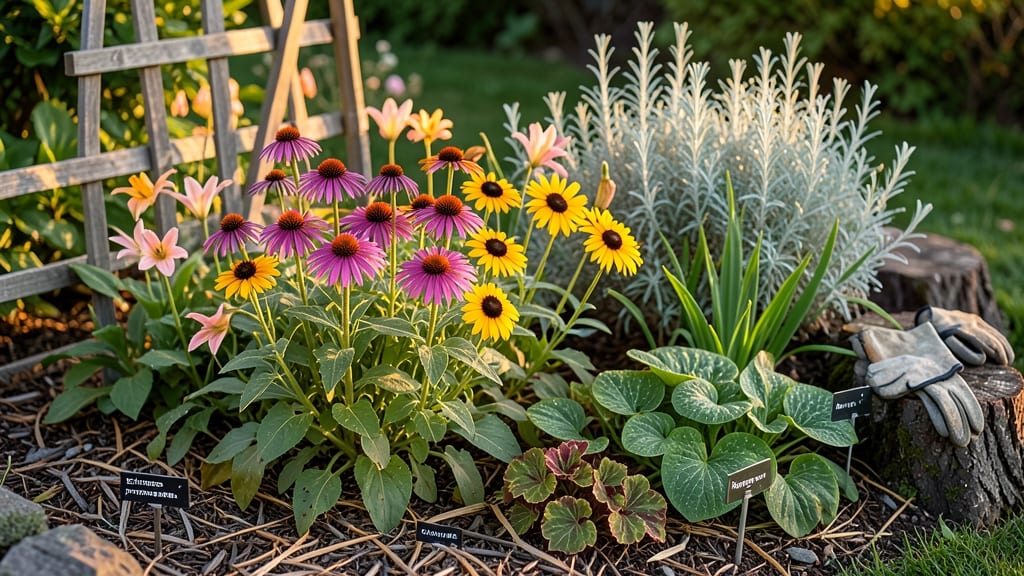
Zone 5 gardening thrives in regions with average winter lows of -15°F to -20°F (-26°C to -29°C), where cold-hardy perennials, biennials, and strategic seasonal planning maximize yields despite short growing seasons. Focus on frost-tolerant crops like kale, potatoes, and apples, while extending harvests with row covers and early starts.
Zone 5 gardening demands a smart approach to cold tolerance and seasonal timing.
The USDA's Zone 5 classification covers a vast area from the Midwest to the Northeast, where frost dates can vary dramatically even within the same region. 🌱 Microclimates—like south-facing slopes or urban heat islands—can push your growing zone up by 1-2 levels, so always check your specific last/first frost dates.
I've found that planting cold-hardy crops like broccoli and spinach 2-3 weeks before the average last frost date gives them a head start, while biennials like onions and carrots thrive when sown early in spring or late summer.
What sets Zone 5 apart is the ability to grow perennials that survive harsh winters. Peonies and rhubarb, for example, not only endure the cold but often produce better with winter dormancy. The key is preparing your soil with plenty of organic matter before winter—this improves drainage and insulates roots.
I've also seen dramatic yield increases by using row covers in early spring or late fall to protect tender greens and extend the harvest window.
💡 In This Article
- Understanding the Zone 5 Plant Hardiness Map
- Top Cold-Resistant Plants for Zone 5 Gardens
Understanding the Zone 5 plant hardiness map
The USDA Plant Hardiness Zone Map divides North America into 13 zones based on average annual minimum winter temperatures. Zone 5 spans regions where winter lows typically range from -15°F to -20°F (-26°C to -29°C), creating a unique growing environment.
This classification helps gardeners predict which plants can survive winter dormancy in their specific area. For example, while Zone 4 might handle -30°F (-34°C) temperatures, Zone 5 plants often struggle below -20°F (-29°C) without protection.
Frost dates are the real game-changers in Zone 5. The average last spring frost typically occurs between April 15 and May 1, while the first fall frost arrives around October 1 to October 15.
These dates vary by 1-2 weeks depending on elevation and proximity to large bodies of water. I've noticed that gardeners in northern Illinois might plant warm-season crops like tomatoes 2 weeks later than those in upstate New York due to these timing differences.
Microclimates—like sunny south-facing slopes or sheltered valleys—can push your effective growing zone up by 1-2 levels, allowing you to grow marginally harder plants.
Understanding these patterns lets you time your planting precisely. For cool-season crops like kale or spinach, I recommend sowing seeds 4-6 weeks before your last frost date—this gives them time to establish roots before summer heat arrives.
Warm-season crops like peppers need to wait until soil temperatures reach 60°F (15°C), which usually happens 2-3 weeks after your last frost. The key is checking your local cooperative extension service for precise frost date data, as these can vary by 10-14 days even within the same county.
Zone 5's short growing season (typically 120-150 days from last frost to first frost) demands smart planning. I've found that succession planting—sowing fast-maturing crops like radishes every 2 weeks—maximizes space and harvests.
Another trick is using black plastic mulch to warm soil 5-10°F (3-6°C) faster in spring, while straw mulch in fall insulates roots through winter. These small adjustments can extend your growing window by 2-4 weeks at each end of the season.
Don't overlook the role of snow cover in Zone 5 gardening. A 12-inch (30 cm) snow blanket can insulate soil down to 4-6 inches (10-15 cm), protecting perennials like asparagus and strawberries from extreme cold.
I've observed that well-mulched beds maintain 5-10°F (3-6°C) warmer soil temperatures during winter than unprotected ground. This natural insulation allows tender perennials to survive winters that might otherwise kill them.
For gardeners new to Zone 5, start with the USDA map but verify your specific conditions. Drive around your neighborhood and note where plants thrive or die—these observations will help you identify microclimates.
I keep a garden journal tracking frost dates and plant performance, which helps me adjust my planting schedule each year. The more you understand your local patterns, the more you can push your zone's limits while keeping your garden productive.