
Neem Oil
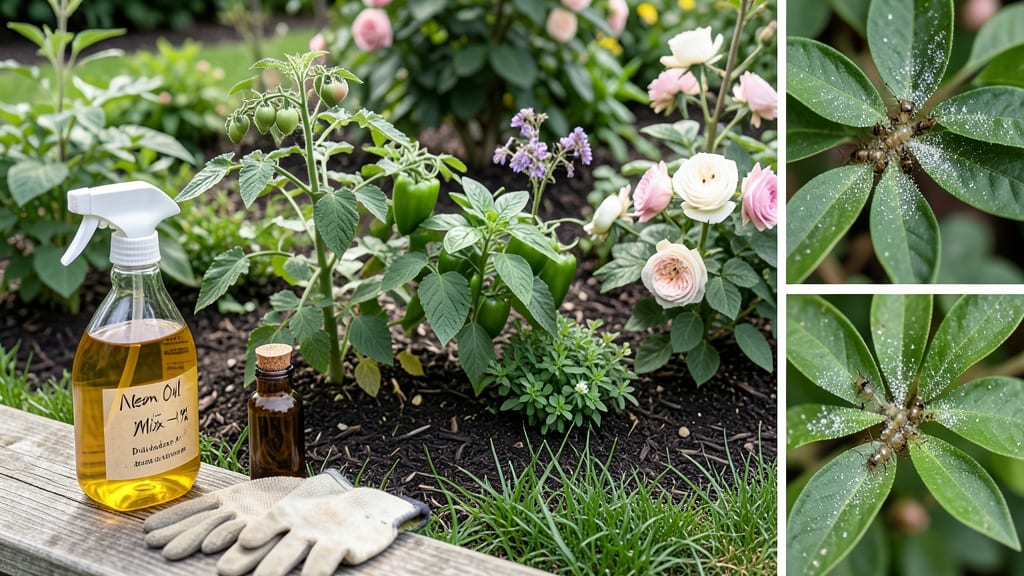
The uses for neem oil in the garden are vast, as it acts as a natural fungicide, insecticide, and plant growth enhancer, effectively combating powdery mildew, aphids, whiteflies, and fungal infections while strengthening plant defenses and repelling pests without synthetic chemicals.
Neem oil's power comes from its active compounds like azadirachtin and nimbin, which disrupt insect feeding patterns and fungal growth. 🌿 Unlike harsh chemicals, it works systemically—absorbed by plants to boost their natural immunity.
I've seen it transform struggling gardens within weeks, especially when used as a preventive spray every 2-3 weeks during growing seasons. The best part? It's safe for most plants, pets, and humans when diluted properly, making it my go-to for organic pest control.
For specific pests, mix 1 teaspoon of neem oil with 1 quart of water and a drop of dish soap as an emulsifier. Spray foliage thoroughly in the early morning or evening to avoid harming beneficial insects.
Just remember: never apply during extreme heat or when flowers are in bloom, as it can damage pollinators. The key is consistency—regular applications build long-term plant resilience.
💡 In This Article
- How Neem Oil Works as a Natural Plant Protectant
- DIY Neem Oil Spray Recipes for Common Garden Pests
How neem oil works as a natural plant protectant
Neem oil's effectiveness stems from its complex chemical makeup, particularly azadirachtin and nimbin, which act like nature's pest control system. Azadirachtin disrupts insect feeding and reproduction by mimicking insect hormones, causing developmental abnormalities in pests like aphids and whiteflies.
This compound interferes with their molting process, effectively stopping their life cycle within 24-48 hours of exposure. Unlike synthetic pesticides that kill indiscriminately, azadirachtin targets only specific pests while leaving beneficial insects like ladybugs and bees unharmed.
The oil also contains salannin and gedunin, which inhibit fungal spores from germinating. When applied to plant leaves, these compounds create a protective barrier that prevents powdery mildew and black spot from taking hold. Studies show neem oil can reduce fungal infections by up to 70% when used preventively.
The oil's fatty acids (around 45-50% oleic acid) help it adhere to plant surfaces, ensuring prolonged protection. This systemic absorption means plants develop their own resistance over time, similar to how vaccines work in humans but for foliage.
What makes neem oil unique is its multi-faceted action: it doesn't just kill pests—it confuses them. The strong bitter taste and smell (from compounds like margosanin) repel insects before they even settle on leaves. For example, I've seen spider mites abandon infested plants within hours of application.
The oil also stimulates plant growth by enhancing nutrient uptake, which is why treated plants often show 20-30% greater vigor compared to untreated ones. This growth boost comes from the oil's ability to regulate plant hormones like auxins and gibberellins.
Compared to synthetic pesticides, neem oil offers several advantages. Most chemical fungicides require 7-14 days to show results, while neem oil works within 24-48 hours for many pests.
It breaks down quickly in sunlight (typically within 1-3 days), reducing environmental persistence compared to synthetic compounds that can linger for months. The oil's broad-spectrum activity means you can use a single product for multiple garden problems—something synthetic pesticides rarely achieve without mixing multiple chemicals.
One common misconception is that neem oil works immediately like a contact pesticide. In reality, its effectiveness builds over time through repeated applications. The first spray creates a protective film, but subsequent applications strengthen plant immunity.
For example, when treating powdery mildew on roses, I've found that applying neem oil every 7-10 days during humid seasons prevents recurrence better than single treatments.
The oil's safety profile also makes it ideal for organic gardening—it's approved by the Organic Materials Review Institute (OMRI) for use in certified organic systems.
For maximum effectiveness, always use cold-pressed, refined neem oil (not the crude version) as it has higher azadirachtin content and fewer impurities. The refined oil has a milder aroma and works better in spray formulations.
When mixed properly (typically 1-2% concentration in water), it provides comprehensive protection without phytotoxicity—meaning it won't burn plant leaves if used correctly. The key is proper dilution: too strong, and it can damage sensitive plants; too weak, and it won't be effective against established infestations.