
Tools
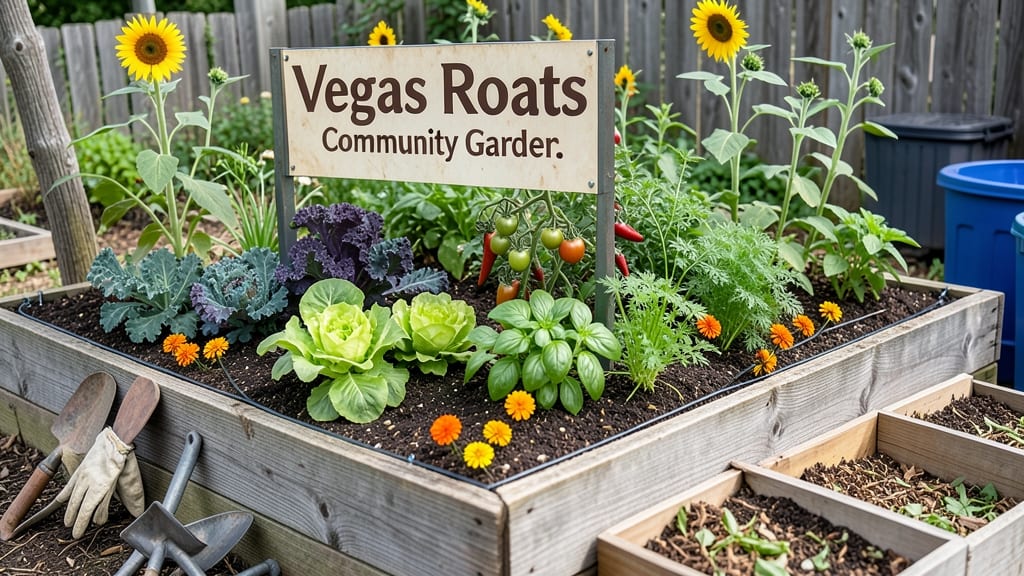
Joining the Vegas Roots Community Garden means you'll need to submit an online application, complete a required orientation session, and follow garden guidelines including water conservation and organic growing methods. As a member, you'll gain access to complimentary gardening plots, educational workshops, and shared equipment for sustainable urban farming.
The Vegas Roots Community Garden opens its doors to residents and volunteers eager to grow their own food while learning sustainable practices. 🌱 The application process is straightforward but ensures everyone understands the garden's commitment to eco-friendly methods, which includes prohibiting synthetic pesticides and promoting drought-resistant planting techniques.
Once approved, members receive training on proper plot maintenance and gain access to communal resources that reduce individual gardening costs significantly.
What sets this garden apart is its focus on urban sustainability—workshops cover everything from composting to seed-saving, while the shared tool library eliminates the need for personal equipment purchases.
The community aspect means you're never gardening alone, with opportunities to swap produce, share expertise, and even participate in group planting days that make the work more enjoyable.
For Las Vegas residents looking to grow fresh produce in a water-conscious way, this program offers both practical benefits and a chance to connect with fellow green thumbs.
💡 In This Article
- Vegas Roots Community Garden Membership Requirements Explained
- Top Benefits of Joining Vegas Roots Community Garden
Vegas Roots community garden membership requirements explained
The application process begins with an online form that takes about 10-15 minutes to complete. You'll need to provide proof of residency—either a utility bill or rental agreement—since membership is prioritized for Las Vegas residents.
The garden operates on a first-come, first-served basis for the 80+ available plots, with new members added twice yearly in spring and fall.
What's unique is their no-fee policy: unlike many urban gardens that charge annual dues, Vegas Roots covers all costs through grants and community support, making gardening accessible to all income levels. 🌱
The mandatory orientation lasts 90 minutes and covers three critical areas: water conservation (since Las Vegas averages just 4 inches of rain annually), soil health protocols, and the garden's pesticide-free policy.
You'll learn about their drip irrigation system, which uses 30% less water than traditional methods, and how to amend the garden's sandy soil with compost.
This training isn't just theoretical—you'll get hands-on practice setting up your plot's irrigation timer and identifying common desert-adapted crops like chard and okra that thrive with minimal water.
Ongoing obligations include maintaining your plot according to the garden's seasonal planting schedule, which rotates crops annually to prevent soil depletion. For example, summer plots focus on heat-tolerant greens while winter plots prioritize root vegetables.
Members must also participate in at least two community workdays per year, which could mean helping install new irrigation lines or leading a workshop.
The garden's rules exist to ensure everyone succeeds—plots left fallow for more than 30 days may be reassigned, but the community provides support through their "plot buddy" system where experienced gardeners mentor newcomers. ✨
What often surprises new applicants is the residency verification process. While the garden welcomes volunteers from outside Clark County, only residents receive priority access to plots.
Non-residents can still participate by volunteering 10+ hours monthly or joining as associate members who pay a $25 annual fee for access to workshops and tool rentals. This tiered system ensures the garden remains sustainable while welcoming broader community involvement.
The orientation also reveals how the garden tracks water usage—each member receives a monthly report showing their plot's consumption compared to the garden average, creating friendly competition to conserve.
Timing matters for new applicants too. Spring orientations fill up by March 1st due to Las Vegas' 90°F+ summer temperatures, which require careful planning for shade-loving crops.
The garden provides starter plants for members who complete orientation, but you'll need to arrive by 9 AM on distribution day to secure your preferred varieties. This rush isn't just about plants—it's about building community.
Many members use orientation as their first chance to meet neighbors, swap seeds, and coordinate group projects like the annual 1,000 tomato challenge that benefits local food banks. 💫
The garden's maintenance rules extend beyond pesticides to include a no-plastic policy—all tools and containers must be reusable. This might seem strict, but it's part of their zero-waste initiative that has reduced landfill contributions by 40% since 2020.
New members receive a free reusable watering can during orientation, and the garden provides bulk compost in 5-gallon buckets rather than bags. These small changes add up: members report saving $150 annually on gardening supplies by sharing resources rather than buying individually.
The orientation even includes a tour of their composting demonstration area, where you'll see how food scraps transform into nutrient-rich soil in just 6-8 weeks.
For those wondering about flexibility, the garden offers plot swaps twice yearly if your schedule changes. Need to take a vacation? The community has a "plot vacation" system where you can temporarily assign your plot to another member in exchange for coverage during your absence.
This mutual aid network is one of the garden's most beloved features—it's not just about growing food, but growing connections. The orientation will show you how to use their digital plot management system to coordinate these arrangements, complete with calendar reminders for harvest days and maintenance deadlines. 🌿