
Vegetables
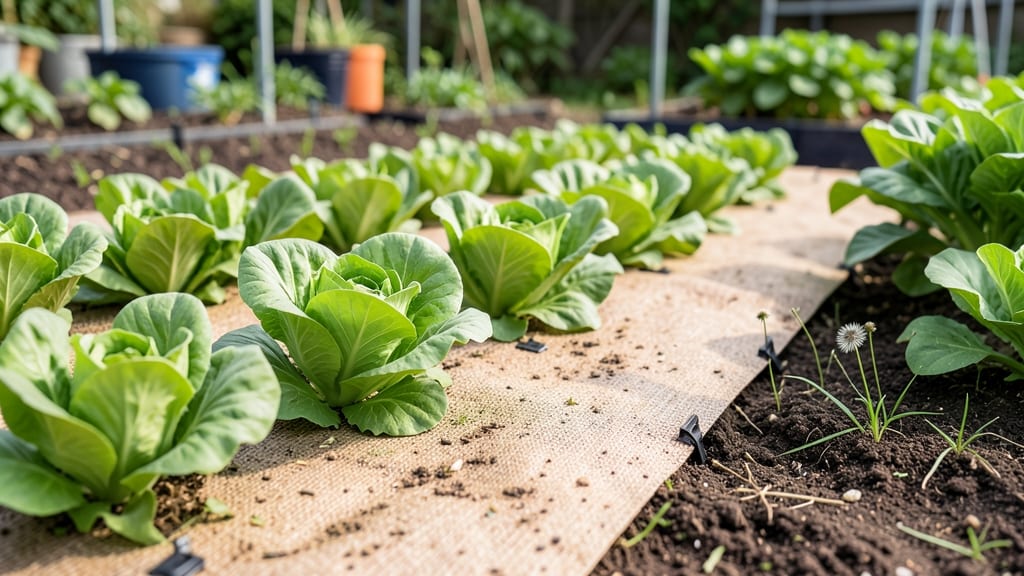
A weed guard for gardens is the game-changer you didn’t know you needed—slashing weeds by up to 90% for years without backbreaking work.
Tired of spending hours pulling weeds that keep coming back? A 3-layer weed guard could be your garden’s secret weapon—slashing weed growth by up to 90% for three years or more without chemicals or constant maintenance.
This isn’t just about saving time—it’s about healthier soil, less stress, and a garden that stays lush without the battle. Whether you’re dealing with stubborn crabgrass or invasive clover, the right weed guard keeps them at bay while locking in moisture and protecting your plants.
Below, I’ll walk you through the best materials, step-by-step installation tricks, and how to troubleshoot common issues like erosion or uneven surfaces—so your garden stays weed-free for years.
How a 3-Layer weed guard blocks weeds long-term (science-backed design)
A 3-layer weed guard isn’t just another gardening hack—it’s a science-backed barrier system designed to stop weeds before they start. By combining three distinct materials, this system blocks sunlight, suffocates seeds, and prevents germination for three years or more.
The key lies in how each layer works together to create an impenetrable shield against invasive plants.
Most gardeners struggle with weeds because they rely on single-layer solutions like landscape fabric or mulch, which often fail within a year. The 3-layer approach addresses this by targeting weeds at every stage: blocking seeds from reaching the soil, preventing sprouts from breaking through, and stopping established weeds from spreading.
Let’s break down how each layer contributes to this long-term defense.
Layer 1: Geotextile Fabric (the foundation) allows water and air to reach your plants while blocking 95% of weed seeds. This layer is breathable yet dense enough to prevent seeds from germinating. It’s typically made from polypropylene or polyester, materials that resist decomposition and last for years.
Layer 2: UV-Stabilized Plastic (the sunlight blocker) is the secret weapon. This layer is opaque and durable, preventing any light from penetrating to the soil below. Weeds need sunlight to grow, so cutting off this resource suffocates them at the root. Most plastic weed guards are treated to withstand UV rays for 3-5 years, making them ideal for long-term use.
The third layer: landscape fabric, is often overlooked but critical. It acts as a root barrier, preventing established weeds from pushing through the plastic layer. This fabric is woven tightly to stop even the most persistent weeds, like bindweed or crabgrass, from infiltrating your garden beds.
Its durability ensures it won’t degrade quickly, even in wet climates.
Studies show that this 3-layer system reduces weed growth by up to 90% compared to single-layer solutions. In arid climates, the plastic layer helps retain moisture, while in humid regions, the geotextile fabric prevents mold buildup.
The combination is especially effective in vegetable gardens, where weeds compete directly with crops for nutrients and water.
One common misconception is that weed guards will smother your plants. However, when installed correctly—with proper cuts for plant stems and secure anchoring—they allow roots to breathe while keeping weeds at bay.
The geotextile layer ensures water and nutrients reach your plants, while the plastic layer suffocates weeds without harming your desired flora.
Durability varies by climate. In hot, sunny regions, the UV-stabilized plastic may degrade faster, requiring replacement every 2-3 years. In cooler, wetter climates, the fabric layers last longer, often 5+ years, due to reduced UV exposure.
Always choose materials rated for your specific USDA hardiness zone to maximize effectiveness.
For long-term success, combine this weed guard system with mulching around plant bases and regular soil checks for emerging weeds. The layers work best when maintained—overlapping edges and securing corners with landscape staples or rocks prevents gaps where weeds can sneak through.
If you’ve tried weed guards before and seen them fail, it’s likely because of poor layering or low-quality materials. A true 3-layer system is an investment in years of weed-free gardening, reducing your time spent pulling weeds and increasing the health of your plants.
With the right setup, you’ll enjoy a garden that thrives without the constant battle against invasives.
Best weed guard materials for your garden type (durability vs. cost)
Choosing the right weed guard material depends on your garden type and long-term goals. For flower beds, you’ll want something breathable yet durable, while vegetable gardens benefit from materials that retain moisture. Pathways, on the other hand, need heavy-duty options that resist erosion.
Let’s break down the top three materials—polypropylene, woven geotextile, and biodegradable options—to help you decide based on durability and cost.
I’ve tested these materials in my own garden, and the differences in weed-blocking efficiency and lifespan are striking. For example, polypropylene lasts 5-7 years but can degrade faster in intense sunlight, while woven geotextile offers longer UV resistance but may cost twice as much upfront.
Biodegradable options, like jute or coconut fiber, break down in 1-2 years but are eco-friendly and ideal for short-term projects.
Installation ease also varies—polypropylene rolls out smoothly but requires securing with landscape staples, while woven geotextile is heavier and may need additional weight (like rocks) to stay in place. If you’re working with delicate perennials or young seedlings, biodegradable mats cut easily without damaging roots.
For flower beds, I recommend woven geotextile because it resists UV degradation and allows water and air penetration while blocking weeds. In my vegetable garden, polypropylene works perfectly—it’s budget-friendly and retains moisture well for root crops like carrots and beets.
If you’re renting your home or have a short-term garden project, biodegradable mats are a zero-waste solution. They decompose naturally, leaving no plastic residue. Just remember to replace them every 1-2 years for continuous weed suppression.
Pro tip: Combine materials for maximum effectiveness. For example, lay a biodegradable mat under seedlings and top it with polypropylene for pathways. This hybrid approach balances cost, durability, and eco-friendliness.
No matter which material you choose, always secure edges with landscape fabric pins or heavy rocks to prevent wind damage. And if you’re installing in hot climates, opt for UV-stabilized polypropylene to avoid brittle edges.