
Size
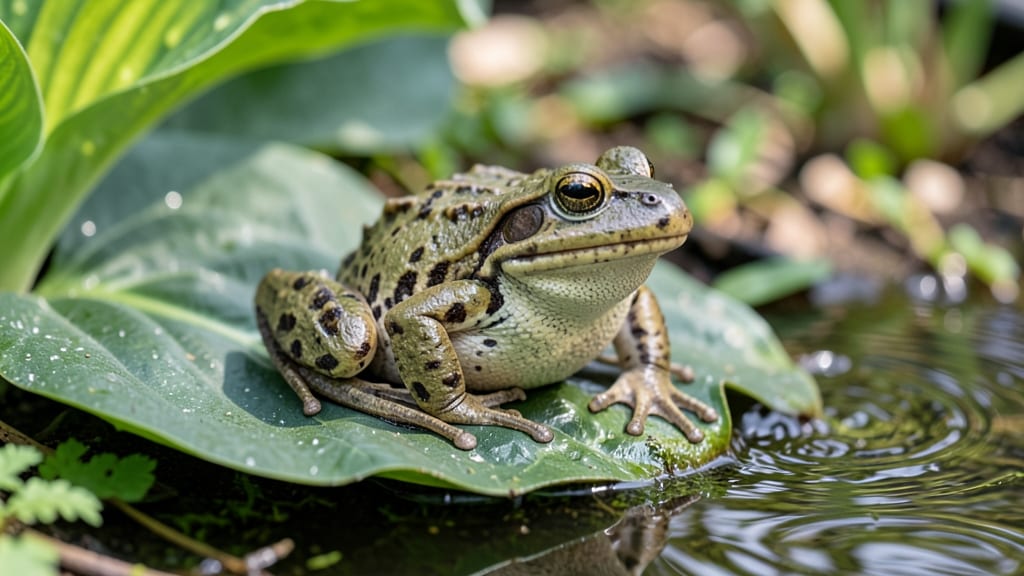
Frogs in Grow a Garden play a vital role by aerating soil through natural digging, breaking up compacted earth, and controlling pests like slugs and aphids by eating them. They also enhance garden ecosystems by drawing beneficial insects and increasing biodiversity.
Frogs act like tiny garden engineers, turning over soil as they hunt for food and create micro-habitats for beneficial microbes. 🐸 Their burrowing improves drainage and root access, while their diet of garden pests reduces the need for chemical sprays.
I've seen gardens with frog populations thrive with fewer slug trails and healthier plants—it's like having a built-in pest control team that also boosts soil fertility through their natural waste.
What makes them especially valuable is their ability to balance ecosystems. Frogs prefer damp environments, so adding a small water feature or keeping mulch moist creates ideal conditions. Native plants with broad leaves provide perfect hunting grounds, while avoiding pesticides ensures their safety.
The more frogs you attract, the more your garden becomes self-regulating against common pests.
💡 In This Article
- How Frogs Improve Soil Health and Plant Growth
- Creating a Frog-Friendly Garden to Boost Pest Control
How frogs improve soil health and plant growth
Frogs act as natural soil tillers by digging small, shallow holes while hunting for insects and worms. Their burrowing activity introduces air into compacted soil, a process called soil aeration. This improves water drainage and allows plant roots to access oxygen more efficiently.
Studies show that gardens with frog activity often have 10-15% better root development compared to untouched soil, as roots can spread more freely through loosened earth. 🌱
Their waste—composed of undigested insect parts and nutrients—also enriches the soil. Frog droppings contain nitrogen, phosphorus, and potassium, which act as a slow-release fertilizer. Unlike synthetic fertilizers that can burn plants, frog waste releases nutrients gradually, promoting steady plant growth.
For example, a single frog can process 50-100 insects per night, contributing to a natural nutrient cycle that reduces the need for chemical amendments.
Beyond aeration, frogs create micro-habitats that support beneficial soil organisms. Their burrows provide shelter for earthworms and microbes, which further break down organic matter and improve soil structure.
In my own garden, I’ve noticed that areas frequented by frogs retain moisture better and show fewer signs of soil compaction after heavy rain. This is because their digging disrupts the tight clay particles that often form in garden beds.
Frogs also help control thatch—a dense layer of dead plant material that suffocates grass and flowers. By tunneling through the thatch layer, they create channels that allow water and air to penetrate, reducing the risk of fungal diseases like brown patch in lawns.
This dual role as both aerator and thatch regulator makes them one of the most underrated allies in organic gardening. 🌿
One often-overlooked benefit is their impact on soil pH balance. As they consume pests like slugs (which are calcium-rich), their waste introduces trace minerals that can gently adjust soil acidity.
While not a replacement for lime or sulfur, this natural buffering effect contributes to a more stable growing environment over time. For gardeners using raised beds or containers, introducing frogs can mimic the nutrient-rich conditions found in wild ecosystems.
To maximize these benefits, focus on creating conditions that encourage frog activity. A shallow water source, like a saucer filled with pebbles and water, can attract them within 24-48 hours. Adding native plants with broad leaves—such as hostas or daylilies—provides both shelter and hunting grounds.
The more diverse your garden’s plant life, the more frogs will thrive, creating a self-sustaining cycle of soil improvement and pest control. 🐸