
Planting
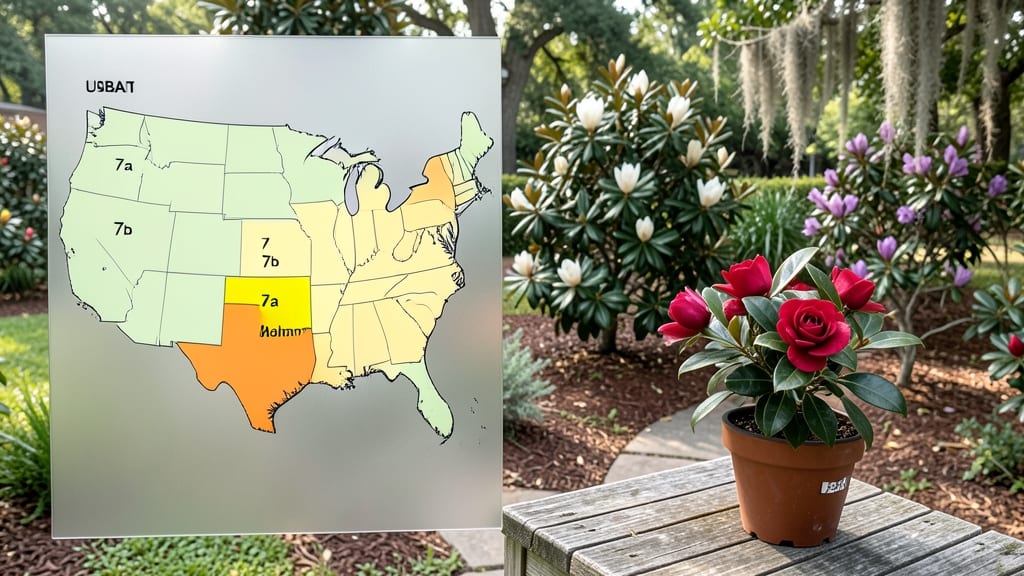
Alabama's gardening zones span USDA Hardiness Zones 6b through 8b, with most areas falling between Zones 7a and 8a depending on elevation and regional microclimates like coastal plains or mountain regions.
Alabama's diverse geography creates this wide range of growing conditions.
The state's northern mountains—like those in the Appalachians—drop temperatures enough to support Zone 6b plants, while the warm Gulf Coast near Mobile pushes into Zone 8b territory. 🌿 Even within cities, urban heat islands can shift microclimates by 2-3 zones compared to rural areas.
For example, Birmingham typically sits in Zone 7b, but its downtown core might experience Zone 8a conditions.
This variation means gardeners should check their specific ZIP code on the USDA Plant Hardiness Zone Map rather than assuming they're in a single zone.
The difference between Zone 7a and 8a can mean the success or failure of tropical plants like hibiscus or citrus—some varieties thrive in Zone 8a's warmer winters but freeze out in Zone 7a's colder snaps.
💡 In This Article
- How Alabama’s Geography Affects USDA Plant Hardiness Zones
- Best Plants for Alabama’s USDA Zones by Region
How Alabama’s geography affects USDA plant hardiness zones
Alabama’s dramatic elevation changes from sea level to mountain peaks create its wide zone range.
The state’s lowest point—near Mobile Bay—experiences Zone 8b winters with average lows of 25°F, while the highest elevations in the Appalachian foothills (like near Lookout Mountain) drop to 15°F, qualifying for Zone 6b. This 10°F difference translates directly to which plants survive winter—think citrus thriving in Mobile but struggling in Huntsville.
The Gulf Coast’s proximity to warm ocean currents moderates temperatures, creating a 5-7°F warmer microclimate than inland areas just 50 miles away. Meanwhile, northern Alabama’s mountainous terrain funnels cold air into valleys, where temperatures can plunge 5°F colder than nearby ridges.
These variations explain why a single county might contain two zones—like Madison County spanning Zones 7a and 7b.
Urban areas add another layer of complexity. Cities like Birmingham generate heat islands where asphalt and concrete absorb daytime heat, raising nighttime lows by 2-3°F compared to rural areas.
This shift can push a Zone 7b yard into Zone 8a conditions, making it suitable for plants like Mexican petunias that wouldn’t survive in surrounding countryside. The USDA accounts for these variations by using 30-year temperature averages, but local conditions often demand even more precise planning.
Latitude plays a subtle but important role too. Southern Alabama’s lower latitude means slightly longer growing seasons—about 2-3 weeks longer than northern regions—while higher elevations experience earlier frost dates.
For example, while Mobile enjoys 280 frost-free days, Huntsville averages just 210 days. This affects everything from vegetable planting schedules to perennial bloom times.
Even within zones, soil types influence plant success. The sandy loams of coastal Alabama drain quickly, requiring drought-tolerant Zone 8b plants like yaupon holly, while the clay-rich soils of central Alabama hold moisture better, supporting Zone 7b favorites like crepe myrtles.
The interaction between zone, soil, and microclimate means Alabama gardeners often need to adjust planting zones by half a zone based on their specific yard conditions.
For precise planning, the USDA recommends checking your exact ZIP code on their interactive map, as zone boundaries can shift miles within a single city block.
This level of detail explains why Alabama’s gardening success hinges on understanding both the big-picture geography and the fine-scale variations in every planting spot. 🌿