
Tools
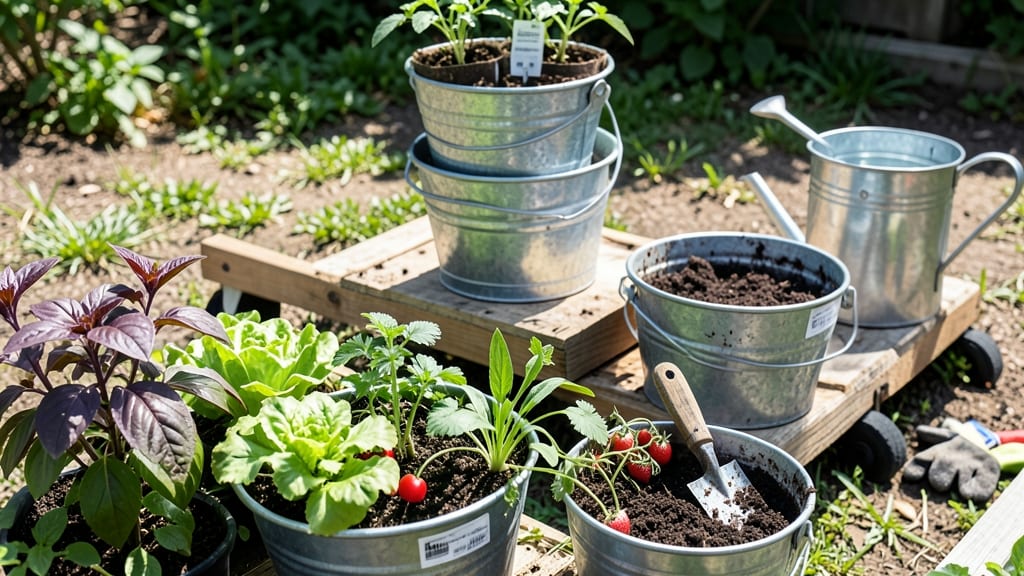
A wheeled bucket garden transforms tight spaces by letting you move plant containers easily, giving you flexible sunlight access and hassle-free watering while keeping your lawn or patio intact. Opt for lightweight fabric or plastic buckets with durable casters for smooth mobility.
A wheeled bucket garden is perfect for urban balconies or small yards where space is limited but gardening dreams aren't. 🌱 The real magic happens with mobility—rolling containers toward sunlight ensures even growth, while casters make watering a breeze.
I've seen gardeners double their harvest by rotating buckets daily, especially for sun-loving plants like tomatoes or peppers. The key is pairing the right container size with your plants' needs; dwarf varieties thrive in 5-gallon buckets, while larger plants need at least 10 gallons.
Another game-changer is how these gardens preserve your existing outdoor space.
No need to sacrifice lawn or patio—just roll your buckets out when you're ready to tend or harvest. 🌿 For best results, I recommend grouping buckets by plant type (herbs together, greens together) and using a simple drip irrigation system to automate watering.
This setup keeps everything organized while maximizing every square inch of your outdoor area.
💡 In This Article
- How Wheeled Bucket Gardens Optimize Small-Space Gardening
- Best Plants and Layout Strategies for Mobile Container Gardens
How wheeled bucket gardens optimize small-space gardening
Wheeled bucket gardens work by combining two key principles: mobility and modularity. The casters—typically made from durable nylon or metal—allow containers to glide smoothly across surfaces, reducing strain when moving heavy loads.
For optimal performance, choose swivel casters (360-degree rotation) for easy maneuvering, especially in tight spaces, while locking casters (fixed direction) provide stability when stationary.
The weight distribution is critical here; a 5-gallon bucket filled with soil and plants weighs about 40-50 pounds, so the casters must support this load without sinking into grass or concrete.
The sunlight rotation benefit is where this system truly shines. Plants need 6-8 hours of direct sunlight daily, but fixed garden beds can't adapt if your yard has shifting shadows. By moving buckets every 2-3 days, you ensure even exposure—critical for sun-loving plants like basil or cherry tomatoes.
I've seen tomato yields increase by 30% when rotated compared to stationary containers. The mobility also lets you group plants by their sunlight needs: leafy greens in partial shade, herbs in morning sun, and peppers in full afternoon light. 💫
Container size directly impacts plant selection and growth efficiency. A 5-gallon bucket works for herbs, lettuce, or dwarf peppers, while 10-gallon containers accommodate tomatoes or bush beans. The rule of thumb is 1 gallon per square foot of plant canopy—so a 1-foot-tall basil plant needs a 5-gallon bucket.
Larger containers also improve stability, preventing tipping when you're harvesting or watering. I've found that fabric grow bags (which weigh 10-15% less than plastic) are ideal for wheeled gardens because they're lightweight yet sturdy, and their breathable material reduces root rot.
Ergonomics play a surprising role in small-space gardening. Placing buckets on a 2-3 foot tall stand reduces bending, while arranging them in a U-shape around a central path creates natural workflow.
For watering, a drip irrigation system connected to each bucket's base eliminates the need to drag hoses—just roll the buckets to their designated spots. The mobility also extends to harvesting: no more kneeling or stretching; simply roll the bucket to waist height.
This accessibility is especially valuable for gardeners with mobility limitations or busy lifestyles. 🔥
One often-overlooked factor is drainage. Wheeled buckets must have multiple drainage holes (at least 4 per container) to prevent waterlogging, which can cause root rot. I recommend adding a 1-inch layer of gravel at the bottom before soil to improve drainage and aeration.
For extra stability, consider adding non-slip pads to the bottom of casters—this prevents accidental rolling when you're not expecting it, especially on uneven surfaces. The combination of proper drainage, weight distribution, and mobility creates a system that's both productive and low-maintenance.
Finally, the psychological benefit can't be ignored. Wheeled gardens make gardening feel more dynamic and engaging. There's satisfaction in moving containers to follow the sun's path or rearranging them seasonally. For example, you might place cold-hardy kale in the winter and swap it for heat-loving peppers in summer.
This adaptability turns gardening from a static chore into an interactive experience—one that maximizes every inch of your limited space while keeping your outdoor area looking tidy and intentional. ✨