
Blooming
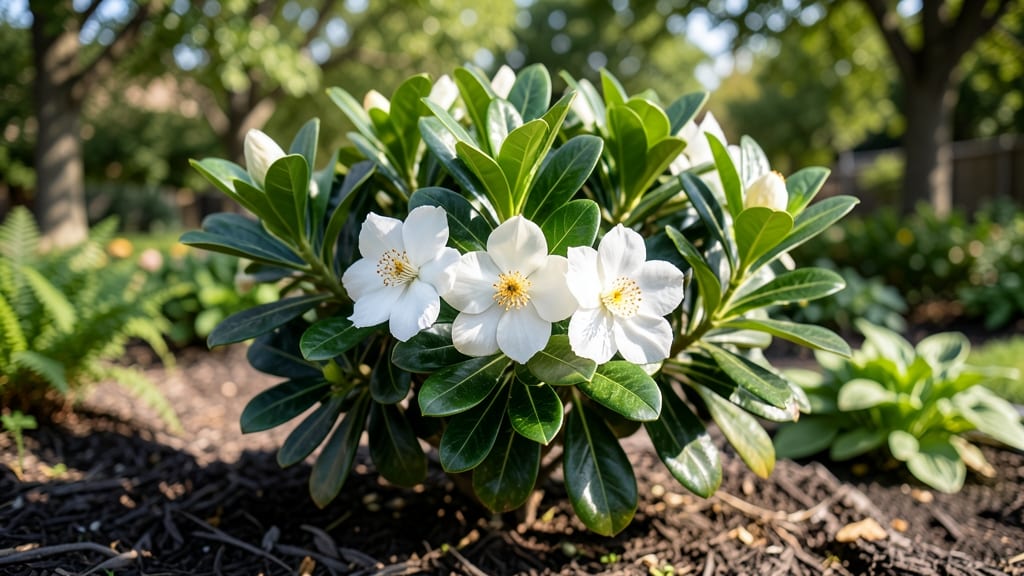
A gardenia typically blooms during the months of late spring and early summer—May through July in most temperate regions—though warmer climates may see flowers from spring through fall. These timing shifts depend on sunlight exposure, humidity levels, and proper pruning techniques.
Gardenias are sensitive to seasonal changes, and their blooming windows reflect local climate patterns. 🌸 In cooler areas, the scent-heavy flowers usually appear as temperatures stabilize in late spring, while southern gardens might enjoy a prolonged display.
I've noticed that consistent moisture and partial shade help maintain blooms longer, especially during summer heatwaves. The key is understanding your specific zone's microclimate—some gardenias even reward patient gardeners with sporadic fall blooms if conditions remain favorable.
What many gardeners don't realize is that gardenias actually set flower buds in late winter, but they won't open until environmental conditions are just right.
This means your pruning in early spring isn't just for aesthetics—it's about encouraging the plant to direct energy toward new growth that will eventually produce those iconic white blossoms. The right balance of care can sometimes even coax a second, smaller bloom cycle in late summer.
💡 In This Article
- Climate and Seasonal Factors Affecting Gardenia Bloom Timing
- How to Encourage Gardenia Blooms Year-Round with Pruning and Care
Climate and seasonal factors affecting gardenia bloom timing
Gardenias are highly responsive to temperature shifts, with their blooming cycles triggered by specific seasonal thresholds. In temperate zones, the ideal temperature range for bud formation sits between 60-75°F, while actual flowering peaks when daytime highs reach 75-85°F.
This explains why May through July becomes the prime blooming window—these months offer the perfect balance of warming temperatures and increasing daylight hours that stimulate flower production. 🌸 The plant's internal clock also reacts to photoperiod (daylight length), with longer days in late spring signaling it's time to shift energy from foliage growth to flowering.
Humidity plays an equally critical role, as gardenias originate from tropical and subtropical regions where atmospheric moisture stays consistently high. In areas with 50-70% humidity, blooms appear larger and last longer, while dry conditions below 40% humidity can cause buds to drop prematurely.
I've observed that morning dew or regular misting (especially in containers) mimics their native environment, helping maintain that delicate balance. Rainfall patterns matter too—too much water can suffocate roots, while drought stress forces the plant to conserve energy, delaying or reducing blooms.
Regional climate zones create dramatic variations in bloom timing. Gardenias in USDA Zone 8 (like Southern California) may flower from March through October, while those in Zone 5 (Midwest) typically bloom only June through August.
Frost is the ultimate bloom killer—temperatures below 30°F can damage both buds and foliage, while sudden heatwaves above 90°F often cause buds to abort. The plant's native resilience to 30-90°F range explains why coastal areas with moderate temperatures often get the most reliable displays.
Daylight hours act as a secondary trigger, with gardenias needing 10-12 hours of light daily for optimal blooming. In northern latitudes, shorter summer days provide just enough light, while southern gardens benefit from extended sunlight.
Artificial grow lights can help in indoor settings, though they won't fully replicate natural seasonal cues. The key insight is that gardenias are opportunistic bloomers—they'll flower whenever conditions align, which is why some gardeners in warm climates see sporadic blooms even in winter if kept in optimal conditions.
Microclimates within your garden create additional variations. A gardenia planted against a south-facing wall might bloom 2-3 weeks earlier than one in open shade, while container plants in patios can bloom later if exposed to evening heat.
Understanding these local factors lets you predict—and sometimes influence—your gardenia's bloom schedule with surprising accuracy. The plant's sensitivity to environmental cues makes it both a challenge and a reward for patient gardeners.
What's fascinating is how gardenias "remember" seasonal patterns. If you consistently get blooms in June, the plant will likely repeat that cycle year after year—unless you change care practices. This memory effect means your pruning, fertilizing, and watering routines become just as important as climate in determining bloom timing.
The plant's ability to adapt to your specific microclimate is what makes gardenia cultivation such a rewarding (if sometimes frustrating) gardening experience. 🌿