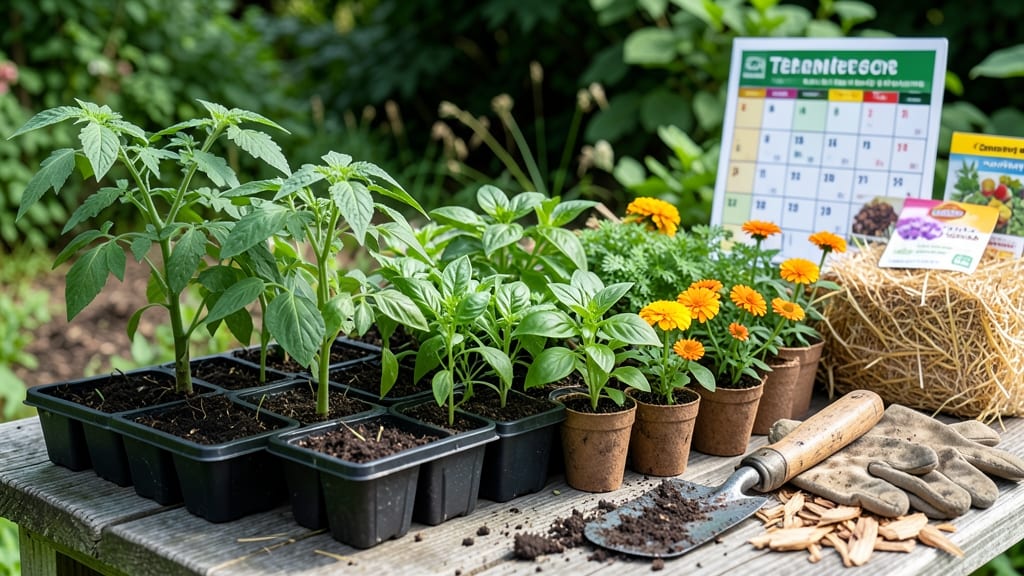
Planting a garden in Tennessee at the right time means the difference between a lush harvest and a frost-killed disappointment—especially in zones 6a-7b where temperatures swing wildly.
Picture this: You’ve spent weeks prepping soil, ordering seeds, and dreaming of fresh tomatoes and peppers—only for a late frost to wipe it all out in a single night.
Tennessee’s diverse climate zones, from the Appalachian highlands to the warmer Gulf Coastal Plain, mean your 🌱 General Garden Plants need precise timing to thrive.
Whether you’re in East Tennessee’s cooler valleys or West Tennessee’s heat islands, knowing your last frost date (typically around March 15) is the key to avoiding common mistakes. Miss the window, and your hard work could vanish before it even starts.
Below, I’ll break down the exact planting windows for your region, which crops to prioritize by month, and pro tips to stretch your growing season—so you can enjoy a garden that’s bountiful from spring to fall.
🌱
When to Plant General Garden Plants Garden Plants
Jan
❄️
Feb
🌱
Mar
🌱
Apr
🌱
May
🌱
Jun
☀️
Jul
☀️
Aug
☀️
Sep
🍂
Oct
🍂
Nov
🍂
Dec
❄️
Tennessee planting zones: last frost dates by region (2024 guide)
Tennessee spans USDA Hardiness Zones 5a through 8a, creating dramatic differences in frost timing from the cool Appalachian highlands to the warmer Memphis area.
Understanding your exact last spring frost and first fall frost dates is critical—especially for zero-frost-risk crops like sweet potatoes and okra that thrive in Tennessee’s heat.
A late frost in Zone 5a (East Tennessee) can delay planting by weeks compared to Zone 8a (West Tennessee), where gardeners enjoy a 240-day growing season.
Microclimates add another layer of complexity. Urban areas like Nashville experience heat island effects, pushing last frost dates 5-7 days later than rural areas just 10 miles away. Meanwhile, valley locations in East Tennessee (e.g., Gatlinburg) can see frost 10-14 days earlier than surrounding hillsides.
These variations mean local weather data is your best friend—check NOAA’s frost maps or your county’s Tennessee State University Extension reports for precise timing.
Below is your region-by-region breakdown of average frost dates, tailored for Tennessee’s 7 USDA zones. Use these as guidelines, then adjust based on your specific elevation, soil type, and microclimate.
For example, if you’re in Zone 6a but live in a south-facing urban garden, you might plant peppers 10 days earlier than the average date.
| USDA Zone |
Last Spring Frost |
First Fall Frost |
Frost-Free Days |
Zero-Frost Crops |
Microclimate Notes |
| Zone 5a (East TN) |
April 15–20 |
October 15–20 |
160–170 days |
Sweet potatoes, okra, southern peas |
Valleys frost 7–10 days earlier; use row covers. |
| Zone 6a (Northeast TN) |
April 1–10 |
October 25–30 |
180–190 days |
Tomatoes, peppers, collards |
Urban areas (e.g., Knoxville) may frost 5 days later. |
| Zone 6b (Middle TN) |
March 25–April 5 |
November 1–5 |
200–210 days |
Cucumbers, squash, watermelon |
Nashville’s urban heat delays frost by 3–5 days. |
| Zone 7a (Central TN) |
March 15–25 |
November 10–15 |
220–230 days |
Okra, sweet corn, eggplant |
Higher elevations (e.g., Cumberland Plateau) frost earlier. |
| Zone 7b (West TN) |
March 1–15 |
November 20–25 |
230–240 days |
Peppers,
Best crops to plant by month in Tennessee (avoid frost, maximize yield)
Tennessee’s 60-day frost-free windows demand precision timing to avoid late spring freezes or early fall chills. Cool-season crops like broccoli and spinach thrive in March-April, while tomatoes and peppers need May-June warmth to flourish.
Missing these windows means stunted growth or total crop failure—especially in Zone 6a areas like Knoxville.
Warm-season crops (75°F+ soil temps) can’t tolerate below 50°F nights, so transplant after Memorial Day in most regions. Meanwhile, cool-season crops planted too late may bolt (premature flowering) before harvest. The key? 30-day transplant windows for seedlings and direct-sowing seeds timed to mature before frost.
🌱 Tennessee Planting Calendar by Month
- March-April: Cool-season crops (lettuce, peas, broccoli) after last frost (avg. March 15). Transplant onions and cabbage.
- May: Warm-season seeds (beans, cucumbers) after soil reaches 60°F. Transplant tomatoes/peppers in Zone 7b+.
- June-July: Succession plant okra, sweet potatoes, and Southern peas for fall harvests.
- August: Direct-sow cool-season crops (spinach, kale) for fall/winter harvests.
- September: Transplant broccoli and brussels sprouts for late fall growth.
For Zone 6a (e.g., Nashville, Chattanooga), peppers must be transplanted by May 15 to mature before first frost (Nov 15).
In Zone 7b (e.g., Memphis, Jackson), you can push tomatoes until June 1 for a second harvest. Direct-sow beans in May-June—they tolerate heat better than transplanted seedlings.
Pro tip: Use row covers to extend cool-season planting by 2-3 weeks in spring/fall. For warm-season crops, black plastic mulch warms soil 5-10°F faster, letting you plant earlier. Always check TN State University Extension for local frost alerts—they update zone-specific deadlines annually.
Missed a window? Succession planting every 2 weeks ensures continuous harvests. For example, bush beans sown in May, June, and July give three harvests before frost. Leafy greens like kale even sweeten after frost, making them ideal for fall/winter gardens.
Plan ahead: Start seeds indoors 6-8 weeks before last frost for tomatoes, peppers, and eggplants. Hardy herbs like parsley and cilantro can handle light frosts, so sow them early. Heat-lovers like okra and sweet potatoes need full sun and well-draining soil—plant them after Memorial Day for best results.
★★★★★4.6(5 reviews)
|