
Planting
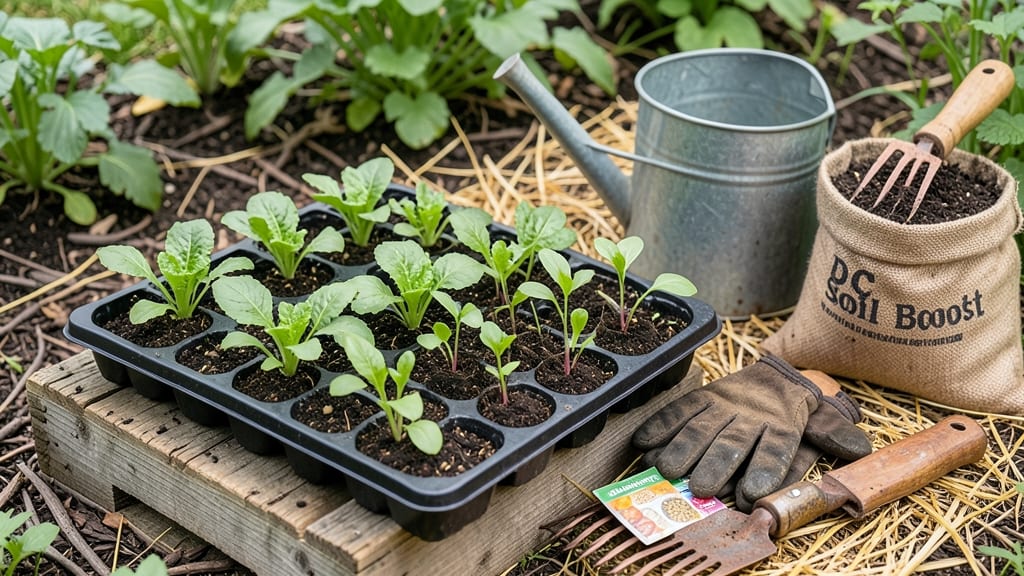
Planting a garden in Washington, DC, means timing your crops to avoid late frosts and capitalize on the city’s 180 frost-free days—a delicate balance that can make or break your harvest.
Washington, DC’s unique climate—with hot summers, mild winters, and unpredictable frost—can make timing your garden planting a real challenge. Plant too early, and a late frost could wipe out your hard work; too late, and you might miss the growing season entirely.
Whether you’re sowing cool-season greens like spinach or warm-season favorites like tomatoes, the right planting window ensures your 🌱 thrives. Below, I’ll break down the exact frost-free timeline for DC’s USDA Zone 7b, including microclimate adjustments for urban vs. suburban areas.
You’ll discover how to extend your season with row covers, which crops to plant in spring vs. fall, and the one mistake even experienced gardeners make—plus how to avoid it.
Washington DC frost dates & best planting months by crop type
Washington DC’s last average frost date falls between April 15 and May 15, while the first frost typically arrives October 15–November 15. These dates create a 180-day growing season, but microclimates—like urban heat islands or shaded yards—can shift your local window by 1–2 weeks.
Use these USDA Zone 7b/8a guidelines to align your planting with DC’s climate quirks, from cool-season greens to heat-loving tomatoes.
For cool-season crops like spinach and kale, start seeds indoors 4–6 weeks before your last frost (mid-March) or sow directly March 15–April 15.
These hardy plants thrive in 40–65°F soil, making them perfect for DC’s early spring. Warm-season crops, including tomatoes and peppers, need to wait until after May 15 when soil warms to 60–70°F. Container gardening adds flexibility—just adjust timing by 1–2 weeks for potted plants.
🌱
DC’s microclimates can shift planting windows by up to 2 weeks. Urban areas like Downtown or Eastern Market often warm up faster due to heat absorption, while shaded yards or higher elevations (e.g., Cleveland Park) may experience later frosts.
For container gardening, start warm-season crops 1–2 weeks earlier than in-ground plants, as pots heat up faster in sunlight.
Protect tender seedlings with row covers or cold frames if nighttime temps dip below 50°F after your expected last frost. For fall planting, prioritize cold-hardy greens like Swiss chard or kale, which sweeten after light frost.
Avoid planting warm-season crops like peppers after August 15, as they won’t mature before the first frost.
Monitor soil temperature with a soil thermometer—aim for 60°F before planting tomatoes or peppers. In USDA Zone 8a areas (e.g., southern DC), you might push warm-season planting to mid-June, but always check the National Arboretum’s frost alerts for real-time updates.
For container gardens, move pots to sheltered spots if frost is forecasted.
🌿
Succession planting is key in DC’s short season. Sow fast-growing crops like lettuce or radishes every 2–3 weeks from March through August to ensure a continuous harvest. For warm-season crops, stagger
How to extend your DC gardening season with succession planting & frost protection
Washington DC’s mild winters and hot summers create a unique opportunity to grow food year-round with the right strategies. By using succession planting and frost protection, you can push your planting windows by 4–6 weeks in both directions. This means more harvests and fewer wasted resources!
One of my favorite tricks is planting Swiss chard in early spring—it thrives in light frost and keeps producing even when temps dip. Meanwhile, bush beans planted in late July give you a second harvest before fall frost.
Let’s break down the best methods to make this work in your DC garden.
🌱 5 Proven Ways to Extend Your DC Gardening Season
- Succession Planting: Sow lettuce, radishes, or spinach every 2–3 weeks from March to August for continuous harvests. Example: Plant first batch in early March, then repeat every 21 days.
- Row Covers: Use floating row covers to protect seedlings from light frost (down to 25°F). Remove when flowers appear to allow pollination.
- Cold Frames: Extend spring harvests by 3–4 weeks using a low tunnel or cold frame. Ideal for kale, carrots, and peas—start planting in late February.
- Crop Rotation: Rotate heavy feeders (tomatoes, peppers) with light feeders (beans, lettuce) to prevent soil depletion. Use a 3-year rotation for best results.
- Late-Summer Planting: Sow fast-growing crops like bush beans, turnips, or arugula in late July for fall harvests. These mature in 45–60 days before frost.
For frost-sensitive crops like tomatoes and peppers, I recommend using black plastic mulch to warm the soil by 5–10°F. This lets you plant these crops 2–3 weeks earlier in spring and 1–2 weeks later in fall. Pair this with row covers for extra protection during unexpected cold snaps.
Don’t overlook container gardening—it’s perfect for DC’s urban spaces! Move pots to sunniest spots in summer and near south-facing walls in winter to capture extra warmth. Herbs like thyme and oregano thrive in containers and can be harvested year-round with proper frost protection.
Pro tip: Monitor your garden’s microclimates. A spot near a building or fence can be 5–10°F warmer than open areas, allowing you to plant 2 weeks earlier in spring or 1 week later in fall. Use a soil thermometer to track temps—aim for 60°F+ for warm-season crops.
With these strategies, you can turn DC’s short growing season into a long, productive harvest. Start small with one or two techniques, then expand as you see what works best in your garden. Happy planting! 🌱