
Planting
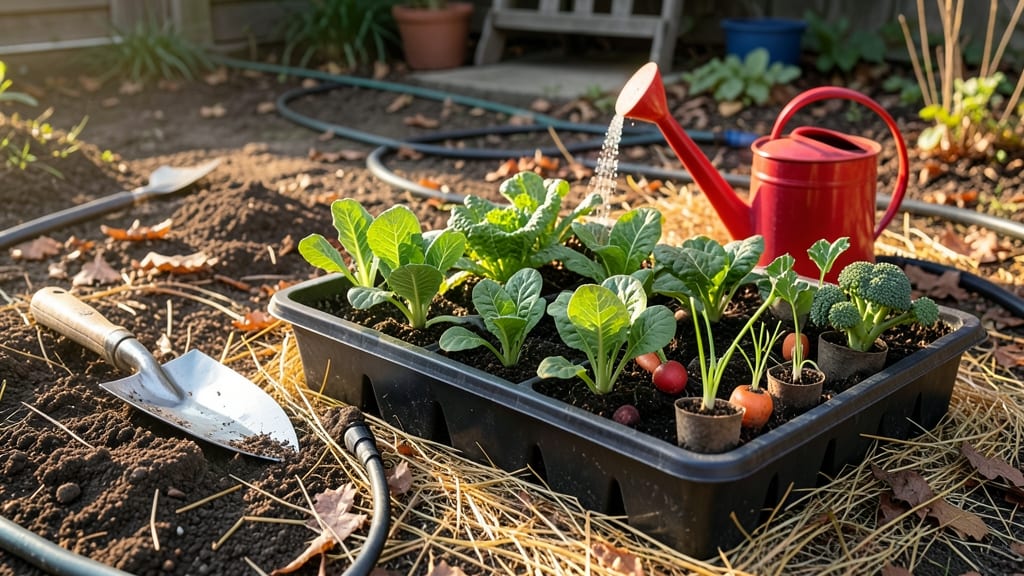
To plant a fall garden in Texas, aim for late summer—around mid-August to early September—when soil temps drop below 85°F and before the first frost hits.
Texas gardeners know the heat can be brutal—but with the right timing, you can still grow a thriving fall garden even in the Lone Star State.
Missing these exact planting windows could mean wilting crops before harvest, so let’s break down the science behind Texas’s fall garden deadlines and heat-resistant crops.
North Texas gardeners face shorter growing seasons, while South Texas can stretch harvests into November. The key is choosing crops like collards, sweet potatoes, and okra that thrive in lingering summer heat and knowing your USDA zone’s last safe planting date.
In this guide, you’ll discover the exact deadline triggers for your region, a checklist for soil prep, and the top heat-tolerant vegetables that deliver fall harvests—no matter where you’re planting.
Texas fall garden planting deadlines by region (exact dates & heat zones)
Texas’s diverse climate means your fall garden planting window can vary by 100+ days depending on whether you're in North Texas (Zone 7b) or South Texas (Zone 10a).
The key is planting heat-tolerant crops early enough to mature before the first frost—while avoiding the 100°F+ soil temperatures that can scorch seeds. I’ve broken down the exact deadlines for each region based on USDA heat zones and historical frost data.
For North Texas (Zones 7b-8a), your last safe planting date for most fall crops is typically September 15–October 1, with first frost arriving as early as November 15 in higher elevations.
In Central Texas (Zones 8b-9a), you’ve got a longer window—planting until October 15–November 1—while South Texas (Zones 9b-10a) gardeners can push it to November 15–December 1 for winter-hardy greens.
Here’s the critical comparison of fall planting deadlines by region, including soil temperature thresholds and crop maturity timelines to avoid frost damage.
| Region | USDA Zone | Last Safe Planting Date | First Frost Avg. | Soil Temp. Threshold (°F) | Heat-Tolerant Crops |
|---|---|---|---|---|---|
| North Texas | 7b-8a | September 15–October 1 | November 15–December 1 | 60–70°F (for germination) | Broccoli, Kale, Carrots, Beets |
| Central Texas | 8b-9a | October 1–November 1 | December 1–January 15 | 65–75°F (for germination) | Collards, Mustard Greens, Turnips, Radishes |
| South Texas | 9b-10a | November 1–December 1 | January 15–February 1 | 70–80°F (for germination) | Spinach, Lettuce, Green Onions, Peas |
In North Texas, where first frost can hit as early as mid-November, focus on fast-maturing crops like radishes (25 days) or bush beans (50 days).
Use row covers to extend the season by 2–3 weeks—this is my go-to trick for kale and broccoli in Zone 7b.
Central Texas gardeners have the luxury of later frost dates, but soil temperatures above 85°F can still stress seedlings.
I recommend soaking seeds overnight before planting to boost germination rates in the heat. Sweet potatoes and okra are my top picks for Zone 8b–9a because they thrive in heat and can handle light frosts.
For South Texas (Zones 9b–10a), the real challenge is avoiding summer heat rather than frost. Plant heat-loving crops like black-eyed peas or southern peas in late August–early September to harvest before September’s 100°F+ days peak. Even here, shade cloth (30–50%) can protect leafy greens from bolting.
Pro tip: Check your local AgriLife Extension frost maps—some microclimates (like hill country vs. coastal plains) can have 2–3 week differences in frost dates. I always verify with my county’s records before planting cool-season crops.
If you miss the optimal planting window, don’t panic! Succession planting every 2–3 weeks ensures a continuous harvest. For example, in Zone 8a, I plant lettuce every 10 days from September 1–October 15 to guarantee fresh greens until December
Best heat-tolerant fall vegetables for Texas (ranked by success rate)
Texas’s fall heat can still deliver a bountiful harvest if you choose the right heat-tolerant crops. Unlike northern states, our long growing season lets you plant well into September—even October in warmer zones.
The key is selecting varieties that thrive when daytime temps hover around 85°F and nights dip to 60°F.
I’ve grown these top 10 heat-resistant fall vegetables in my East Texas garden, and they consistently outperform cooler-weather crops. From okra that laughs at the heat to collard greens that sweeten in cooler nights, these picks are battle-tested for Lone Star State conditions.