
Planting
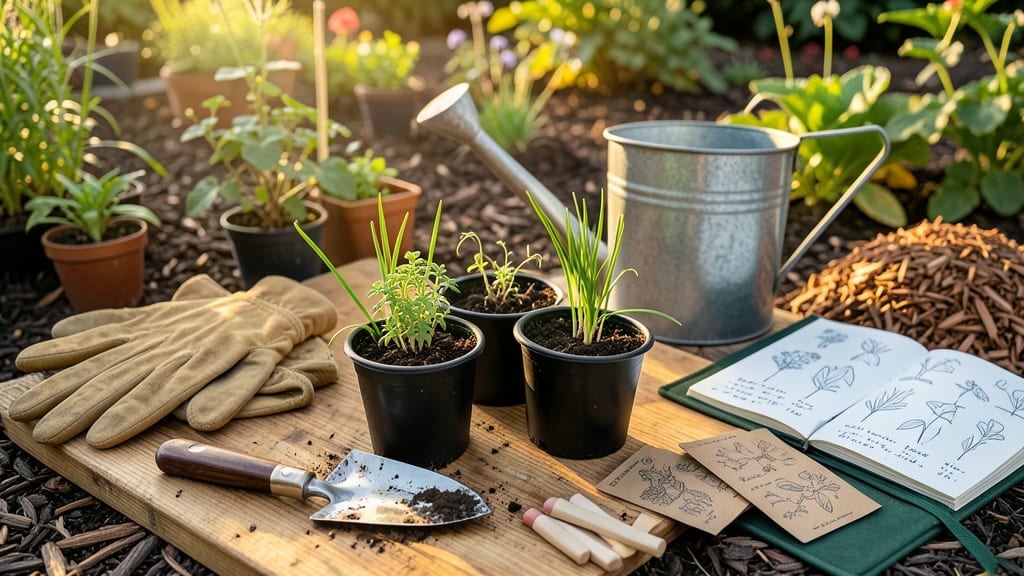
To plant a garden in Colorado at the right time means timing it after the last frost, which can vary wildly from April in Denver to June in the mountains—a mistake that turns seedlings into frost snacks.
Colorado’s microclimates—from high-altitude valleys to arid plains—can turn gardening success into a guessing game if you plant at the wrong time. Avoid frost-killed seedlings and wasted effort by mastering the exact planting windows for your specific zone.
Whether you’re growing heat-loving tomatoes or cold-hardy kale, knowing when to start seeds indoors, when to transplant, and which crops thrive in Colorado’s short season is the difference between a bountiful harvest and a disappointing summer garden.
Below, I break down the best planting months for every zone, how to adjust for elevation, and which crops to prioritize for a zero-frost-risk harvest—so you can finally stop guessing and start growing.
Colorado planting zones & microclimate-specific last frost dates
Colorado’s USDA Hardiness Zones 3-7 create a gardening puzzle—what thrives in Denver’s Zone 5 may freeze in Grand Junction’s Zone 7 just 200 miles away. The key? Understanding your microclimate’s last frost dates, which can vary by weeks even within the same city.
For example, Colorado Springs’ urban heat island often warms up 2-3 weeks earlier than rural areas at the same elevation.
High-altitude gardens (5,000+ feet) like those in Boulder or Aspen face later frost risks until mid-June, while Western Slope valleys (e.g., Palmer Lake) may see their last frost by April 15.
Eastern Plains cities like Limon or Sterling typically warm up faster due to lower elevation and Chinook winds, making them ideal for early cool-season crops like peas and spinach.
Zero-frost-risk windows—critical for tomatoes, peppers, and basil—shift dramatically. In Denver (Zone 5b), you can safely plant heat-lovers by May 20, but in Grand Junction (Zone 7a), that window opens April 15. Meanwhile, Steamboat Springs (Zone 4b) gardeners must wait until June 1 for frost-free conditions.
| Region | USDA Zone | Avg. Last Frost | Zero-Frost Window | Key Crops |
|---|---|---|---|---|
| Front Range (Denver, Boulder) | 5b-6a | May 10-20 | May 20-June 15 | Tomatoes, Peppers, Basil |
| Colorado Springs | 6a-6b | April 25-May 5 | May 10-June 10 | Cucumbers, Okra, Sweet Potatoes |
| Western Slope (Grand Junction) | 7a-7b | April 1-15 | April 15-May 30 | Peppers, Eggplant, Melons |
| Eastern Plains (Limon, Sterling) | 5a-5b | April 20-May 5 | May 10-June 5 | Potatoes, Onions, Lettuce |
| High Altitude (Aspen, Steamboat) | 4b-5a | June 1-15 | June 15-July 10 | Cold-Hardy Kale, Peas, Radishes |
For high-altitude gardens, remember: every 1,000 feet gain in elevation delays your last frost by 3-5 days. If you’re gardening in Evergreen (8,000 ft), subtract 2 weeks from the Front Range averages.
Conversely, urban heat islands like downtown Denver can push last frosts 5-7 days earlier than suburban areas.
Cool-season crops like broccoli and carrots should go in 4-6 weeks before your last frost. In Zone 5b (Denver), that means March 20-April 1, while Zone 7a (Grand Junction) can start as early as February 15.
Warm-season plants like beans and squash need soil temperatures above 60°F, which typically arrives 2-3 weeks after the last frost in most regions.
Pro tip: Use row covers to extend your zero-frost window by 2-3 weeks for heat-lovers. I’ve successfully grown tomatoes in Denver until October 15 by using floating row covers and black plastic mulch to trap heat. For
Colorado’s frost dates aren’t one-size-fits-all—your Denver garden faces different risks than Grand Junction’s or Fort Collins’. To avoid frost-killed seedlings, you need precise data tailored to your elevation and microclimate. Start by checking Minnesota State University’s Frost Calculator, which provides historical frost dates for your ZIP code. For example, Denver’s average last frost is May 15, but at 7,000 feet, you might experience it 2-3 weeks later. Next, adjust for elevation changes. Colorado’s rule of thumb: temperatures drop 1°F for every 300 feet in elevation. If you’re gardening at 6,000 feet but your neighbor is at 5,000 feet, their planting window opens 3-5 days earlier. Use this adjustment to fine-tune when to plant heat-loving crops like tomatoes or peppers, which need consistent warm soil. ⚠️ CALLOUT WARNING ⚠️
Planting potatoes or lettuce too early—even by a week—can mean frost damage in high-altitude areas. Always verify your local frost dates and subtract 2-3 weeks for cold-sensitive plants. Use a soil thermometer to confirm 50°F+ soil temps before planting warm-season crops. Pro Tip: Check Almanac’s Frost/Freeze Tool for real-time updates and cross-reference with 3-year averages for accuracy. For critical crops like potatoes and lettuce, timing is everything. Potatoes need to be in the ground 2-3 weeks before your last frost to establish roots, while lettuce can handle light frosts but bolts in hot weather. Use the 50°F soil temperature rule as your baseline: warm-season crops (tomatoes, peppers) won’t thrive below this, while cool-season crops (spinach, kale) can tolerate 40°F soil. Don’t rely solely on air temperature—soil temperature is the true indicator. Invest in a soil thermometer ($10-$15) to measure at 4-inch depth. For example, tomato seedlings need 60°F+ soil to germinate properly. If your soil is too cold, use black plastic mulch or row covers to warm it faster. Pro gardeners in Colorado also recommend planting warm-season crops in south-facing beds to capture extra heat. Finally, account for microclimates within your yard. A south-facing slope warms up 2-3 days faster than a north-facing garden, while urban areas can be 5°F warmer than rural spots. Observe your garden’s behavior for 2-3 years to spot patterns. For instance, if your tomatoes always ripen 2 weeks later than your neighbor’s, adjust your planting date accordingly. By combining frost data, elevation adjustments, and soil temperature checks, you’ll pinpoint your exact planting window—no more guesswork, just thriving plants! Start with cool-season crops in early spring, then transition to warm-season plants once your soil hits 50°F+ consistently.How to calculate your exact planting window using Colorado’s frost data