
Planting
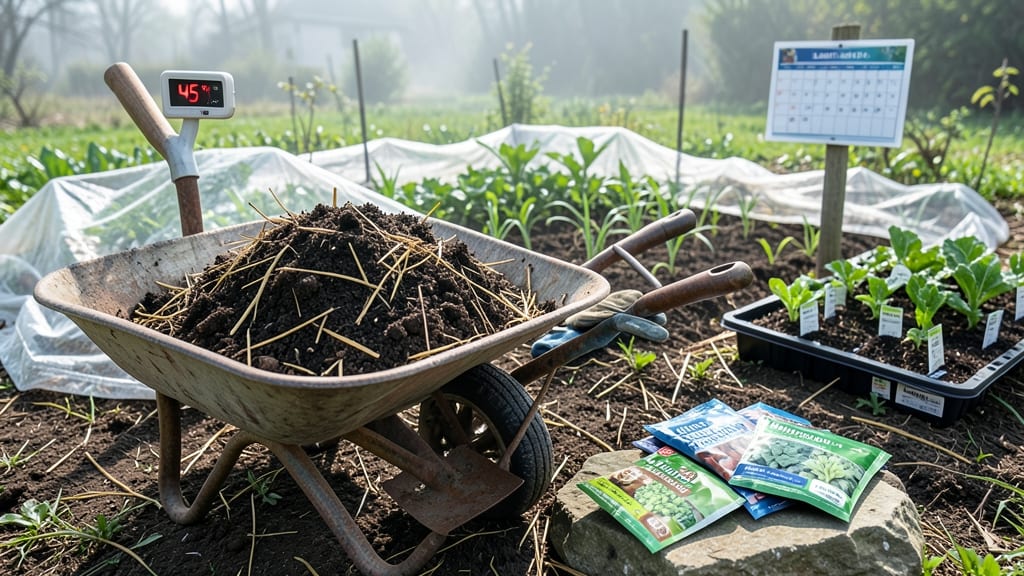
Planting a garden in Maine means timing your seeds and transplants to beat the frost—whether you're in Zone 4 or Zone 5, the window is narrow but doable.
Maine’s unpredictable climate can make timing your garden planting tricky—but getting it right means the difference between a thriving harvest and a frost-killed disappointment. Learn the exact frost-free windows for every crop type so you can plant with confidence.
Cool-season crops like peas and kale can go in the ground as early as April, while tomatoes and peppers need to wait until after the last frost in late May or early June. Miss these dates, and you risk losing your plants to a sudden cold snap.
Below, I break down the best planting schedule by crop, share tips to extend your growing season, and help you avoid common mistakes that Maine gardeners make every year.
Maine’s frost-free planting zones: when to start seeds indoors vs. outdoor planting
Maine’s gardening season is short but sweet, with USDA Zones 4-5 dominating the state. The key to success? Understanding your last frost dates and microclimates—Southern Maine (like Portland) enjoys 2-3 weeks earlier planting than Northern regions (like Bangor or Presque Isle).
These differences mean the gap between a bountiful harvest and a frost-killed disappointment often comes down to timing.
For most of Maine, the average last frost date falls between May 10-25, but coastal areas can see frost-free conditions as early as April 20. Northern Maine’s last frost often lingers until June 1.
Knowing your zone helps determine whether to start seeds indoors or direct-sow outdoors—a critical distinction for crops like tomatoes or peppers that need warmth to thrive.
Southern Maine (Zones 5a-5b) gardeners can begin indoor seed starting as early as February 15 for warm-season crops, while Northern Maine (Zones 4a-4b) should wait until March 1. This timing ensures seedlings are ready for transplanting just before the last frost. For cool-season crops like kale or spinach, direct-sowing outdoors can begin 4-6 weeks before your last frost date.
| Region | USDA Zone | Last Frost Date | Start Seeds Indoors | Direct Sow Outdoors |
|---|---|---|---|---|
| Southern Maine | 5a-5b | May 10-15 | Feb 15 - Mar 15 | Apr 1 - May 1 |
| Central Maine | 4b-5a | May 15-25 | Mar 1 - Mar 31 | Apr 15 - May 10 |
| Northern Maine | 4a-4b | June 1-10 | Mar 15 - Apr 15 | May 1 - May 20 |
Warm-season crops like tomatoes, peppers, and squash need 60-90 days of warmth to mature, making indoor seed starting essential in Maine. Begin these seeds 6-8 weeks before your last frost date to ensure they’re ready for transplanting.
For example, in Southern Maine (Zone 5b), start tomato seeds by March 1 for a May 10 transplant date.
Cool-season crops like lettuce, peas, and spinach can handle Maine’s early spring chill and are often direct-sown outdoors 4-6 weeks before your last frost. In Northern Maine (Zone 4a), this means planting these crops by April 15 to ensure they mature before summer heat arrives.
These hardy plants thrive in cooler temperatures, making them ideal for Maine’s short growing season.
Herbs like basil and cilantro are warm-season favorites that need to be started indoors 4-6 weeks before your last frost. Basil, in particular, won’t tolerate frost, so timing is critical.
For perennial herbs like rosemary and thyme, wait until after your last frost to transplant them outdoors, as they prefer established warmth.
Maine’s first frost typically arrives between September 20 and October 15, depending on your zone. This means succession planting is key for extending your harvest. For example, plant fast-maturing crops like radishes or bush beans every 2-3 weeks from May through July to ensure a continuous supply.
This strategy maximizes your garden’s productivity despite Maine’s short season.
Microclimates play a huge role in Maine’s gardening success. A south-facing slope or urban heat island can create 2-3 weeks of extended warmth compared to nearby areas. Use these microclimates strategically by planting heat-loving crops in the warmest spots and cool-season crops in shadier or cooler areas.
Always monitor local weather forecasts, as Maine’s climate can shift unpredictably.
For container gardening, which is popular in Maine’s colder regions, start seeds indoors 2-4 weeks earlier than the table suggests. Containers warm up faster in spring, allowing for earlier transplanting. Just ensure your containers have drainage holes and use lightweight potting mix to prevent overheating in summer.
Finally, don’t forget about cold frames and row covers—these tools can extend your planting windows by 2-4 weeks in both spring and fall. Use them to harden off seedlings or protect tender plants from late frosts. With the right timing and tools, Maine
Best planting timeline for Maine’s top vegetables, herbs, and flowers
Maine gardeners know timing is everything—especially when frost can sneak in unexpectedly. The key to a successful harvest lies in planting at the right weeks before or after your last frost date.
For most of Maine (USDA Zones 4-5), aim for 4-6 weeks before your average last frost in spring and 6-8 weeks before the first frost in fall. Let’s break down the best planting windows for your favorite crops.
Cool-season crops like kale, peas, and spinach thrive when soil temperatures are still chilly. These hardy plants can handle light frosts and even improve in flavor after a frost. In contrast, tomatoes, peppers, and squash need warm soil and air temperatures above 50°F (10°C) to germinate properly.
Perennial herbs like thyme, oregano, and lavender are more flexible but still benefit from early spring planting.
Here’s a side-by-side comparison of ideal planting windows for Maine’s most popular crops, including exact weeks before/after your last frost date. Use this as your go-to guide to avoid missed opportunities and frost damage.
For cool-season crops, don’t wait until the last minute. Peas and spinach can be planted as soon as the soil is workable, often in early April in Southern Maine or late April to early May in Northern regions.
These crops are frost-tolerant, so you can even plant a fall crop in late summer for a late harvest before the first frost hits in October or November.
Warm-season crops like tomatoes and peppers are more finicky. Wait until the soil has warmed to at least 50°F (10°C), usually 2-3 weeks after your last frost date. In Maine, this typically means late May to early June in most areas.
If you’re eager to start earlier, use black plastic mulch or row covers to warm the soil faster. Just be prepared to remove covers during the day if temperatures rise above 85°F (29°C).
Perennial herbs are the easiest to time—plant them in early spring or early fall when the soil isn’t frozen. These hardy plants will come back year after year, so focus on giving them well-draining soil and full sun.
If you’re planting lavender or rosemary, wait until the soil is dry enough to prevent root rot, which can happen in Maine’s damp springs.
Pro tip: Use Maine’s Cooperative Extension frost date maps to pinpoint your exact last frost date. Southern Maine (like Portland) tends to have 2-3 weeks earlier frost-free dates than Northern regions (like Bangor or Presque Isle). Adjust your planting schedule accordingly to avoid disappointment.