
Planting
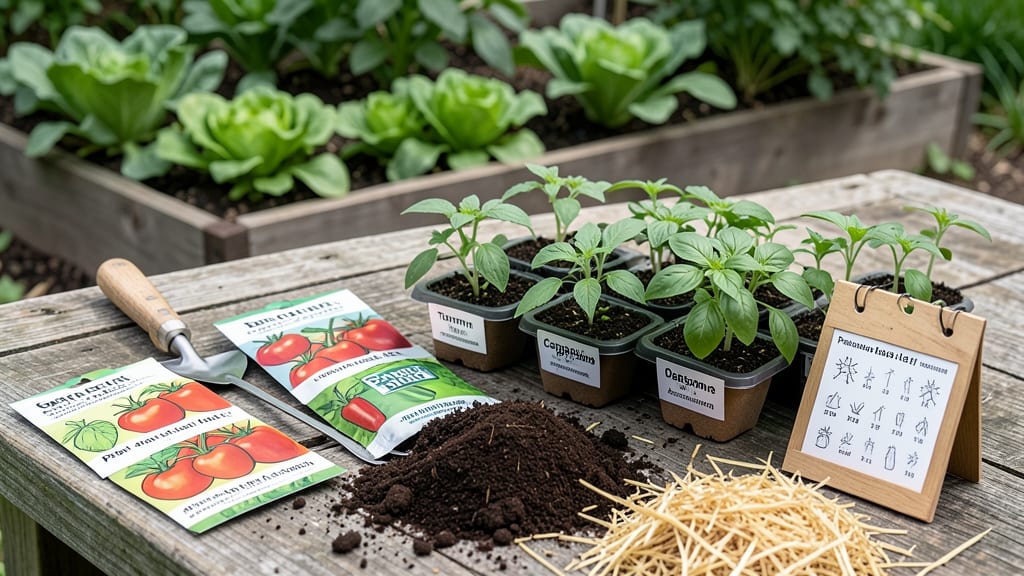
Planting your garden in Pennsylvania at the right time means the difference between a bountiful harvest and wasted effort — and the window opens as early as March in some zones.
Pennsylvania’s diverse climate—from the humid heat of Philadelphia to the cooler mountain regions—means your garden’s success hinges on timing. Plant too early, and frost will destroy your seedlings; too late, and you’ll miss peak harvests.
Whether you’re sowing cool-season crops like spinach or waiting for warm-weather tomatoes, knowing your USDA zone (5b–7a) and last frost date is the key. I’ll walk you through the exact month-by-month schedule for every type of plant, plus how to adjust for microclimates like city heat islands or rural valleys.
By the end, you’ll have a clear plan to start seeds indoors, transplant outdoors, and even extend your growing season with row covers—so you can grow more food year-round without the guesswork.
Pennsylvania planting zones & frost dates: what you need to know before starting
Pennsylvania spans USDA Hardiness Zones 5b through 7a, creating a patchwork of microclimates where Philadelphia's urban heat can be 5°F warmer than nearby rural areas. These zones dictate which plants thrive, but frost dates—not just zones—determine your planting window.
For example, Pittsburgh (Zone 6a) averages its last spring frost around April 20th, while the Poconos (Zone 5b) may not warm up until May 10th. Understanding these differences helps you avoid frost damage to tender seedlings.
Most gardeners follow the 10-day rule: Wait until the average daily temperature stays above 50°F for 10 consecutive days before planting warm-season crops like tomatoes or peppers. This rule accounts for soil warmth, which is just as critical as air temperature.
Cold soil slows germination and can stunt root growth. Use a soil thermometer to confirm—ideal soil temps for warm-season crops are 60-70°F. In cooler zones like Erie (Zone 6b), this might mean waiting until late May.
Microclimates complicate timing further. Urban areas like Philadelphia and Allentown experience heat islands, where pavement and buildings trap warmth, allowing earlier planting of heat-loving crops. Conversely, valleys and high-altitude regions (e.g., Lackawanna County) can have 2-3 weeks later frost dates than surrounding areas. If you're near a lake or river, expect cooler, slower-warming conditions. Always check local weather stations or ask neighbors with established gardens—they’ve likely learned these nuances the hard way.
Here’s a quick reference for average last and first frost dates across Pennsylvania’s zones, plus key adjustments for your garden:
For high-altitude gardens (e.g., Poconos or Allegheny Mountains), add 2-3 weeks to your planting timeline. These areas experience earlier frosts and cooler soils. If you’re unsure about your exact microclimate, harden off seedlings gradually and keep frost cloth on hand for late surprises.
Even in Zone 7a, a late-May frost can occur—always monitor the National Weather Service for your county.
Fall planting follows a similar logic but works in reverse. Start cool-season crops like spinach or lettuce 6-8 weeks before your first frost to ensure harvest before winter. In Zone 5b, this means sowing by August 15th, while Zone 7a gardeners can push it to September 15th.
Perennials like asparagus or rhubarb should be planted in early fall (September) to establish roots before winter. Avoid planting fall crops too late—they need time to mature before ground freezes, which can happen as early as October in the Poconos.
Best planting calendar for Pennsylvania: when to sow seeds vs. transplant by crop type
Pennsylvania gardeners know timing is everything—especially when balancing cool-season crops like spinach and warm-season staples like tomatoes. The key is knowing when to sow seeds directly versus transplanting seedlings, while accounting for PA’s variable frost dates and microclimates.
For example, Philadelphia’s last frost often arrives by April 15, while Pittsburgh’s can linger until May 1. Let’s break down the optimal planting windows for your garden’s most popular crops.
Start with cool-season crops in early spring (March-April) or late summer (August-September) to avoid frost damage. These hardy plants—like kale, peas, and lettuce—thrive in 50–65°F soil and can even handle light frosts.
Meanwhile, warm-season crops such as tomatoes, peppers, and cucumbers need soil temps above 60°F to germinate, making late May the earliest safe bet for most of PA.
Perennial herbs like basil and rosemary have their own sweet spot: plant basil after the last frost, but rosemary prefers fall planting for root establishment.
Here’s a quick reference for PA-specific adjustments to extend your growing season. Use row covers to protect early spring plantings (like spinach) from late frosts, or cold frames to overwinter garlic or onions.
For succession planting, follow this rule: fast growers (radishes) → medium (beans) → slow (carrots). This keeps your harvests coming all season long.
🌱 Comparison Table: Pennsylvania Planting Timeline
| Crop Type | Direct Sow | Transplant | PA-Specific Tip |
|---|---|---|---|
| Cool-Season Crops (Spinach, Kale, Peas) | March–April (spring) or August–September (fall) | April–May (after frost) | Use row covers for late spring plantings |
| Warm-Season Crops (Tomatoes, Peppers, Cucumbers) | May–June (after soil >60°F) | May–June (transplant seedlings) | Start indoors in March for early harvests |
| Perennial Herbs (Basil, Rosemary, Thyme) | April–May (basil) or September–October (rosemary) | April (basil) or fall (rosemary) | Rosemary thrives in fall planting for root growth |
| Succession Planting (Radishes → Beans → Carrots) | Every 2–3 weeks (spring) or 3–4 weeks (fall) | N/A (direct sow only) | Radishes ready in 30 days; replant beans when radishes are harvested |
For warm-season crops, don’t rush to plant—wait until nighttime temps stay above 50°F consistently. If you’re in Zone 5b (e.g., State College), hold off until late May, while Zone 7a (e.g., Harrisburg) gardeners can start as early as mid-April.
A soil thermometer is your best friend here; aim for 60–70°F for tomatoes and peppers. Pro tip: Mulch heavily after transplanting to retain moisture and regulate soil temperature.
Fall planting is often overlooked but can yield just as bountiful harvests as spring. Start with broccoli, cabbage, and kale in early August for a late fall/winter harvest. These crops handle light frosts and even taste sweeter after a light frost.
For perennial herbs, fall is ideal for rosemary and thyme—they establish roots before winter and bounce back stronger in spring. Just avoid planting basil in fall; it’s a tender annual that won’t survive PA winters.
Remember, succession planting is the secret to a non-stop harvest. For example, sow radishes in early April, then replant with bush beans when radishes are harvested (around May 15). Follow beans with carrots in late June, and you’ll have fresh produce from spring through fall.
Pair this with row covers or cold frames to extend your season by 4–6 weeks in both directions.