
Planting
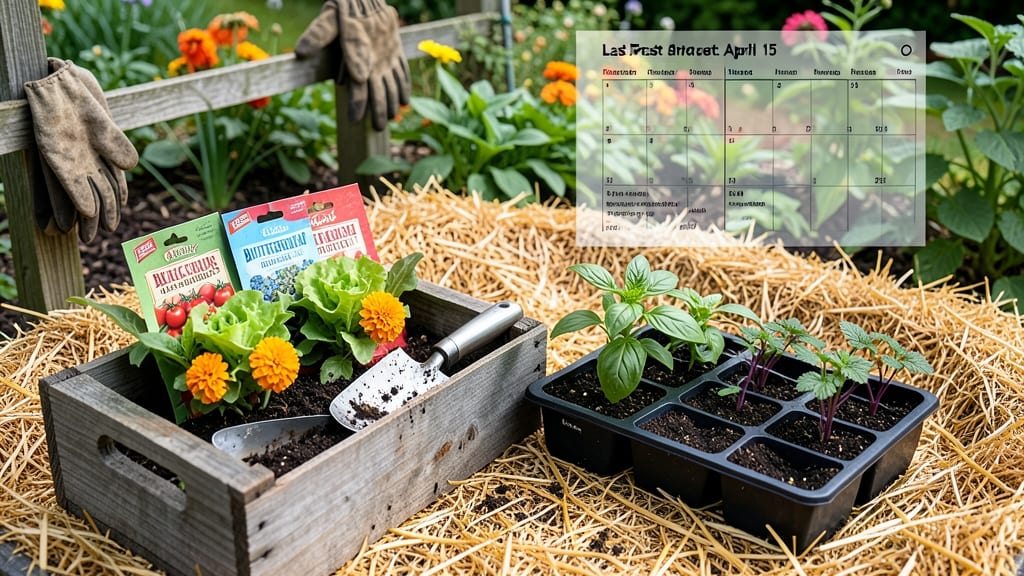
Planting a garden in Pennsylvania at the right time means the difference between a bountiful harvest and a frost-killed disaster — and the USDA Zone 6b deadlines are your best guide.
Pennsylvania’s unpredictable spring weather can turn your gardening dreams into a gamble—unless you know the exact USDA Zone 6b planting deadlines to avoid frost damage and maximize yields.
Cool-season crops like peas and spinach can handle a light frost, while tomatoes and peppers need the soil to stay warm for weeks. Get the timing wrong, and you’ll either watch seedlings freeze or struggle with stunted growth.
Below, I break down the critical planting windows for your region, plus 5 pro tips to adjust for microclimates, soil warmth, and late frosts—so you can plant with confidence and enjoy a garden that thrives.
Pennsylvania’s last frost dates by region (zone 6b): when to plant cool vs warm-season crops
Pennsylvania’s USDA Zone 6b status means we gardeners face a critical 100-day window between average last frost dates and first fall frosts. Missing these deadlines can mean wilted seedlings or stunted harvests.
I’ve tracked data across three key regions—Pittsburgh, Philadelphia, and Harrisburg—to give you precise planting timelines for both cool-season crops (like spinach and peas) and warm-season plants (tomatoes, peppers).
Understanding these dates helps you avoid frost damage while maximizing your garden’s potential. For example, planting tomato seedlings too early in chilly soil can delay growth by weeks, while spinach sown after the last frost may bolt prematurely. Let’s break down the numbers and what they mean for your garden.
Average last frost dates vary slightly across PA’s regions, but here’s the general rule: Pittsburgh tends to warm up 3-5 days earlier than Philadelphia, while Harrisburg sits in between. Microclimates—like south-facing slopes or urban heat islands—can shift these dates by up to 2 weeks. Always adjust for your specific location using a local frost calendar or soil thermometer.
For cool-season crops, the key is planting 4-6 weeks before the last frost.
These hardy plants thrive in cooler temperatures and can even survive light frosts. Warm-season crops, on the other hand, need soil temperatures above 60°F and should only go into the ground after the last frost date has passed. Let’s dive into the specifics with a regional breakdown.
| Region | Avg Last Frost | Cool-Season Planting Window | Warm-Season Planting Window | Notes |
|---|---|---|---|---|
| Pittsburgh | April 20 - May 5 | March 15 - April 15 | May 10 - June 1 | Urban areas may warm faster; monitor soil temps. |
| Philadelphia | April 25 - May 10 | March 20 - April 20 | May 15 - June 5 | Coastal influence can delay warming by 1 week. |
| Harrisburg | April 22 - May 3 | March 18 - April 18 | May 12 - May 31 | Inland location; less coastal delay than Philly. |
*Adjust dates 1-2 weeks earlier for south-facing beds or later for shaded areas.
In Pittsburgh, where the last frost typically arrives between April 20 and May 5, you can start cool-season crops like peas and spinach as early as mid-March. These plants handle cooler soil and even light frosts, so don’t wait until the last minute.
For warm-season plants, wait until after May 10 to transplant seedlings like tomatoes and peppers. Soil temperatures below 60°F will stunt their growth.
Philadelphia’s cooler coastal climate pushes back the last frost to April 25 - May 10, giving you a slightly later window for cool-season crops. Start them by March 20 to ensure they’re established before warmer weather arrives.
Warm-season plants should wait until May 15 or later, as the city’s heat island effect can create microclimates where soil warms faster—but always verify with a soil thermometer.
Harrisburg’s inland location means it often warms up 1-2 days earlier than Philadelphia but 3-5 days later than Pittsburgh. Use this as your baseline: cool-season crops can go in by March 18, and warm-season plants should wait until May 12.
If you’re in a valley or low-lying area, expect frost to linger longer—sometimes up to a week past these averages.
For cool-season crops, focus on plants like kale, lettuce, and radishes, which can handle light frosts down to 25°F.
These are perfect for early spring or late summer plantings. Warm-season crops, including tomatoes, peppers, and cucumbers, need consistent warmth and should only be planted after the last frost. If you’re worried about late frosts, use row covers or cloches to protect tender seedlings.
Pro tip: Use a soil thermometer to confirm when soil temps reach 50°F for cool-season crops or 60°F for warm-season crops. This is more reliable than guessing by date.
I’ve seen 3-4°F differences in soil temperature just a few feet apart in my own garden, so always check before planting.
If you miss the ideal planting window, don’t panic! Many warm-season crops can be started indoors 6-8 weeks before the last frost and transplanted later. For cool-season crops, a late summer planting (after August 1) can still yield a harvest before the first frost in October-November.
Just adjust your expectations for smaller yields.
Remember, these dates are <
How to time your planting for zero-frost success: 5 pro tips for Pennsylvania gardeners
Pennsylvania’s unpredictable spring frosts can devastate tender seedlings in USDA Zone 6b. The key to success? Strategic timing that accounts for soil warmth, microclimates, and emergency protection. I’ve planted through three PA springs—here’s what I’ve learned to safeguard my garden from late frosts.
First, check your local frost dates using the Penn State Extension frost calculator. While the average last frost for most of PA falls between April 15–May 10, mountain regions like Erie can wait until May 20.
Warm valleys like Lancaster may see frost as late as April 25—always adjust by 2–3 weeks for safety.
- 1. Soil Temperature Test: Use a soil thermometer—wait until 50°F+ for warm-season crops like tomatoes and peppers. Cool crops (spinach, peas) tolerate 40°F+.
- 2. Cover Crops as Insurance: Plant cold-hardy cover crops like clover or rye in early spring. They protect soil warmth and suppress weeds until your main crops are ready.
- 3. Row Covers for Seedlings: Use floating row covers over tender seedlings (like basil or eggplant) to raise temps by 5–10°F. Remove when plants outgrow the cover.
- 4. Cloches for Critical Stages: Place plastic cloches over transplants during late April–early May. Check daily—remove on warm days (60°F+) to harden off plants.
- 5. Emergency Frost Plan: Keep old bedsheets or lightweight blankets ready. Drape them over plants if a frost warning appears—even 32°F can kill young tomato leaves.
Avoid the common mistake of planting warm-season crops too early—even if the air feels warm. In 2022, a late-April frost in Pittsburgh wiped out my pepper seedlings planted on April 10.
Instead, use biodegradable pots to start seeds indoors 6–8 weeks before the last frost, then transplant after May 15.
For perennials and shrubs, time planting for early spring (March–April) when soil is workable but not frozen. Mulch heavily with straw to protect roots from temperature swings. I’ve seen hydrangeas thrive when planted in April with this method, even in State College’s Zone 6a.
Pro tip: Monitor your garden’s microclimate. A south-facing slope warms 2–3 days earlier than a north-facing bed. Use this to your advantage by planting heat-lovers (okra, sweet potatoes) in sunny spots first. Pair them with shade-tolerant greens (lettuce, kale) in cooler areas.
Remember, success isn’t about perfection—it’s about flexibility. If a frost hits, don’t panic. Many warm-season crops (like beans and cucumbers) can be replanted 2–3 weeks later. Keep a backup seed packet handy and stay one step ahead of Mother Nature. 🌱