
Plants
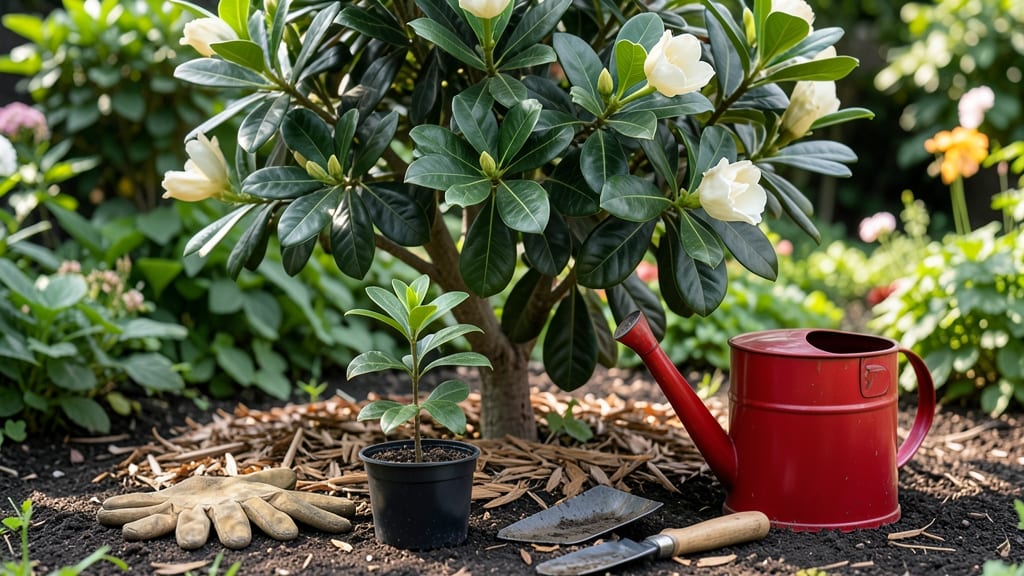
Plant gardenias in Georgia between February and April after the last frost, when soil temperatures rise and the risk of cold snaps fades.
You’ve picked the perfect fragrant shrub for your yard, but timing is everything—get it wrong, and those dreamy white blooms 🌸 might never appear. Georgia’s heat zones and microclimates mean coastal areas can plant earlier, while inland spots near Atlanta need to wait until mid-March to avoid frost damage.
This isn’t just about avoiding late frosts (though those can wipe out young plants in minutes). It’s about giving gardenias the acidic, well-draining soil they crave and the partial shade that keeps their leaves lush.
Skip the prep, and you’ll end up with stunted growth or sparse blooms—no matter how much you water.
Below, I’ll break down the exact months for your zone, how to tell when soil is ready, and the one trick that keeps gardenias blooming year-round—even in Georgia’s humid summers.
Georgia’s best planting months for gardenias by heat Zone
Georgia’s humid subtropical climate makes it a paradise for gardenias, but timing your planting is everything. These fragrant shrubs thrive in USDA Zones 7-9, but each zone has unique frost risks and soil temperature requirements.
In Zone 7, late frosts can linger until mid-April, while Zone 9 gardeners enjoy frost-free winters—meaning different planting windows for optimal growth.
Coastal areas like Savannah experience milder winters, while inland Piedmont regions face harsher winter freezes. This means gardeners in Zone 7b (Athens) should wait until after March 15, while those in Zone 8a (Savannah) can plant as early as February 1.
Understanding these nuances ensures your gardenias establish strong roots before summer heat arrives.
Soil temperature is another critical factor. Gardenias prefer 60-65°F soil to root successfully. In Georgia, this typically aligns with late February to early April, but coastal areas warm faster. Always check soil temps with a thermometer—cold soil delays root growth and invites root rot.
Here’s a quick reference for Georgia’s heat zones and ideal planting windows:
| Zone | Ideal Planting Window | Soil Temp Requirement | Frost Risk | Coastal vs. Piedmont |
|---|---|---|---|---|
| 7a-7b (Athens, Gainesville) | Mid-March to April 15 | 60-65°F | High (last frost: April 15) | Piedmont: Wait for warm soil |
| 8a (Savannah, Macon) | February 1 to March 31 | 60-65°F | Moderate (last frost: March 15) | Coastal: Plant earlier |
| 8b-9 (Brunswick, Valdosta) | January 15 to March 15 | 55-60°F | Low (minimal frost risk) | Coastal: Year-round possible |
For Zone 7 gardeners, February plantings are risky due to late frosts, but potted gardenias can be started indoors in January and transplanted after the last frost.
In Zone 8 and 9, you can push the window even earlier—some gardeners in Brunswick plant as early as January 15 with row covers for extra protection.
Microclimates play a huge role. A south-facing slope in Athens might warm up faster than a north-facing yard, allowing earlier plantings. Coastal areas like Tybee Island benefit from the Gulf Stream’s warming effect, creating a 2-3 week advantage over inland zones.
Always scout your yard for these microclimates before planting.
Once you’ve chosen your window, prepare the soil with compost and peat moss to lower pH to 5.0-6.0. Gardenias hate alkaline soil—test your soil first! After planting, mulch with pine straw to retain moisture and mimic their natural acidic forest floor habitat.
Remember: February-March is the sweet spot for most Georgians, but Zone 8+ gardeners can experiment with January plantings in protected microclimates. The key is soil temperature, not just calendar months. Use a soil thermometer to avoid costly mistakes.
Pro tip: If you miss the ideal window, don’t despair! Container gardenias can be planted year-round in Georgia’s warmer zones, and you can always transplant bare-root plants in late fall for spring blooms. Just be prepared for slower establishment.
Signs your gardenia planting timing is wrong (and how to fix it)
If your gardenias are struggling with yellowing leaves, stunted growth, or delayed blooms, your planting timing might be the culprit. Georgia’s humid climate and frost risks make timing critical—planting too early or late can stress your shrubs before they establish strong roots.
These red flags often appear when gardenias are planted outside their ideal February-April window.
One of the first signs of poor timing is leaf yellowing, especially on new growth. This often happens when gardenias are planted in cooler soil (below 60°F) or exposed to late frosts.
If you planted in January or late April, your gardenias may be struggling to adapt to sudden temperature shifts, leading to nutrient deficiencies and weak foliage.
⚠️ callout warning
⚠️ Georgia-Specific Warning
In Zone 7b (north Georgia), planting gardenias before mid-March risks frost damage—even 28°F can kill young roots. In Zone 8b (coastal areas), late plantings after May stress plants during summer heat. Fix it: Transplant off-season gardenias into containers for mobility or use row covers in early spring.
Another common issue is stunted growth, where your gardenia remains small with sparse foliage. This often occurs when planted in summer heat (June-August), as the plant’s energy goes into surviving rather than growing.
If you missed the spring window, opt for container planting to control soil temperature and watering schedules until cooler weather arrives.
Delayed or absent blooms are a clear sign of poor timing. Gardenias need 6-8 weeks of stable growth before flowering, so planting too late (after May) may result in no blooms that season.
To fix this, mulch heavily with pine bark (to retain moisture and acidify soil) and fertilize lightly with an acid-loving plant food in early summer to encourage root development.
For off-season plantings, adjust your watering schedule to morning hours only—this reduces fungal risks from evening moisture. If you planted in fall (September-October), protect roots with a 4-inch layer of mulch and avoid fertilizing, as new growth won’t harden off before winter.
In Zone 8+, consider staggered plantings in February and April for extended blooms.
Finally, check for root rot or wilted leaves, which indicate overwatering—a common issue when gardenias are planted in heavy clay soil or during Georgia’s rainy season (June-August). Amend soil with sand and peat moss for better drainage, and ensure pots have drainage holes if container-grown.
With these fixes, your gardenias can recover and thrive—even if timing wasn’t perfect!