
Plants
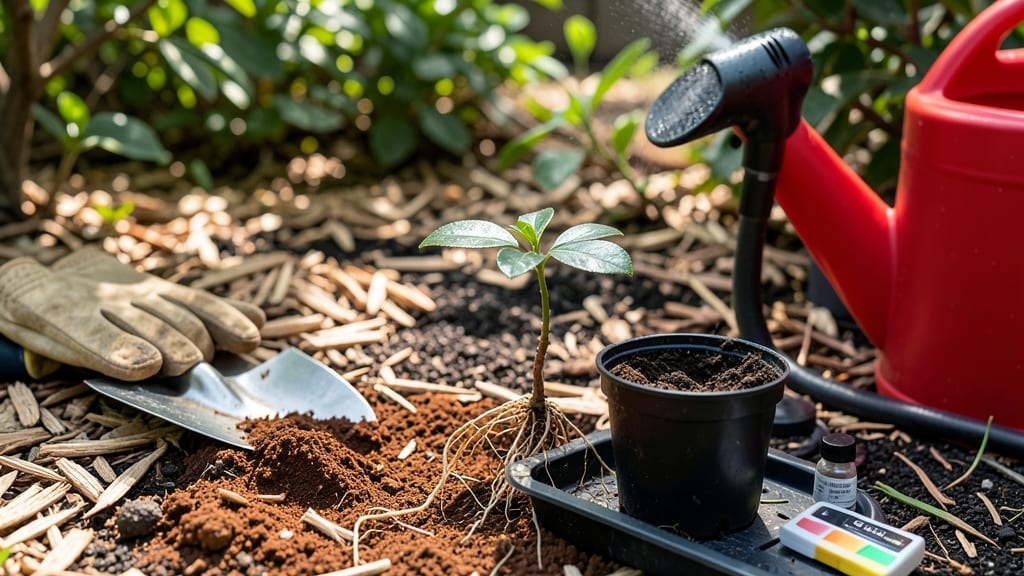
Plant gardenias in Texas between late February and early April to catch the sweet spot between frost risk and summer heat stress.
Texas gardeners know the struggle: plant gardenias too early, and frost wipes them out; too late, and summer heat stunts their growth. But timing these fragrant bloomers perfectly ensures year-round fragrance with minimal effort.
In North Texas (USDA zones 8a-8b), wait until after the average last frost date—usually mid-March—while South Texas gardeners (zones 9a-10a) can start as early as late February. The key is soil temperature: aim for 60°F or warmer to avoid root shock.
Below, I’ll break down the exact planting windows by region, soil prep tricks to lock in moisture, and how to protect your 🌸 from Texas’s brutal summer sun before the first bloom even appears.
Best planting months for Texas gardenias by region (avoid frost & heat stress)
Texas gardenias (Gardenia jasminoides) thrive in USDA zones 8a-10a, but their planting windows vary dramatically across the state. In North Texas (zones 8a-8b), gardeners must wait until after the last frost date, typically mid-to-late March.
Meanwhile, South Texas (zones 9a-10a) offers a longer window, starting as early as late January—but even here, timing matters to avoid heat stress once summer arrives.
Central Texas (zone 8b) sits in the middle, with ideal planting between February 20 and March 15. The key is to plant when soil temperatures reach 60°F+ but before consistent 90°F+ days lock in.
This balance ensures root establishment without overwhelming young plants during Texas' brutal summer heat.
Microclimates add another layer of complexity. Urban areas like Austin and San Antonio often experience earlier heat spikes than rural zones, while coastal regions near Galveston benefit from moderating ocean breezes. Always check your local frost-free date—the Texas A&M AgriLife Extension provides county-specific data for precise planning.
Gardenias hate frost and intense afternoon sun, so avoid planting in May or later unless you’re using shade cloth or container growing to protect roots. The ideal window is a 4-6 week period after the last frost, allowing roots to strengthen before summer’s 100°F+ temperatures arrive.
| Region | USDA Zone | Last Frost Date | Best Planting Window | Heat Risk Level | Key Tip |
|---|---|---|---|---|---|
| North Texas | 8a-8b | Mid-to-late March | March 15–April 15 | High (summer 100°F+) | Use mulch to retain moisture |
| Central Texas | 8b | Late February–Early March | February 20–March 15 | Moderate (90°F+ by June) | Plant in partial shade for afternoon relief |
| South Texas | 9a-10a | Late January–Early February | January 20–March 15 | Low (cooler coastal areas) | Monitor for humidity stress in summer |
| East Texas | 8a-8b | Early March | March 1–April 1 | Moderate (humid summers) | Ensure well-draining soil to prevent root rot |
For North Texas gardeners, the last frost date is critical—planting too early risks frost damage to tender new growth. Aim for March 15 or later, when soil temperatures consistently stay above 60°F.
In Central Texas, where frost is rare but heat arrives early, February 20 is a safer bet to avoid heat stress before roots establish.
South Texas offers the most flexibility, but even here, January plantings should be protected with shade cloth if summer arrives early. Coastal areas like Corpus Christi benefit from ocean breezes, allowing slightly earlier plantings, while inland zones like San Antonio may need to wait until mid-March to avoid
How to time gardenia planting for maximum blooms (step-by-step heat adaptation)
Timing your gardenia planting in Texas isn't just about avoiding frost—it's about giving these heat-sensitive shrubs a fighting chance against our brutal summers. The key is establishing strong roots during the 90-day window before peak heat hits, typically by March 15 in most regions.
This gives your gardenias time to adapt before temperatures consistently exceed 90°F.
I've learned the hard way that gardenias planted too late struggle to bloom because their energy goes into survival, not fragrant flowers. The solution? A strategic approach combining soil prep, watering discipline, and strategic pruning.
Let's break this down into actionable steps that'll have your gardenias thriving when summer arrives.
🌱 Your 90-Day Heat Adaptation Plan
- Month 1 (Pre-Planting): Test soil pH (5.0-6.0) and amend with peat moss or sulfur if needed. Apply 3 inches of compost to planting area.
- Week 1 (Planting): Transplant after last frost (use root stimulator) and water deeply immediately. Place 3-inch mulch around base (avoid touching trunk).
- Week 4 (Root Establishment): Water every 2-3 days (1-2 gallons per plant) and monitor for yellowing leaves (sign of stress).
- Week 8 (Pruning Prep): Lightly prune dead branches and shape plant. Apply slow-release fertilizer (10-10-10) around root zone.
- Week 12 (Heat Hardening): Gradually reduce watering to every 5 days to prepare for summer. Increase morning sun exposure by 1 hour weekly.
Don't skip the soil amendment step—gardenias hate alkaline soil, and Texas native clay is naturally pH 7.5+. I mix in 50% compost, 30% peat moss, and 20% perlite for perfect drainage. This creates the acidic environment gardenias crave while preventing root rot from our heavy rains.
Your watering schedule changes dramatically after planting. New gardenias need daily watering for the first two weeks, but established plants only require deep watering every 5-7 days.
The secret? Water early morning (before 8 AM) to reduce evaporation and fungal risks. I use a soaker hose to deliver water directly to roots without wetting leaves.
Pruning might seem counterintuitive before blooms, but strategic cuts now prevent heat shock later. Remove any branches crossing the center and trim back overly leggy growth by 1/3.
This opens the plant's center for better air circulation and reduces the stress of summer's intensity. Save heavy pruning for right after blooming in fall.
Here's my pro tip: Mark your gardenia's planting date on your calendar and set a reminder for Day 90. That's when you'll start your summer care transition—reducing water slightly, moving plants to more shade, and applying a light fertilizer to maintain blooms without shocking the roots.
With this timing, you'll have continuous fragrance from late spring through fall, even in Texas heat.