
Plants
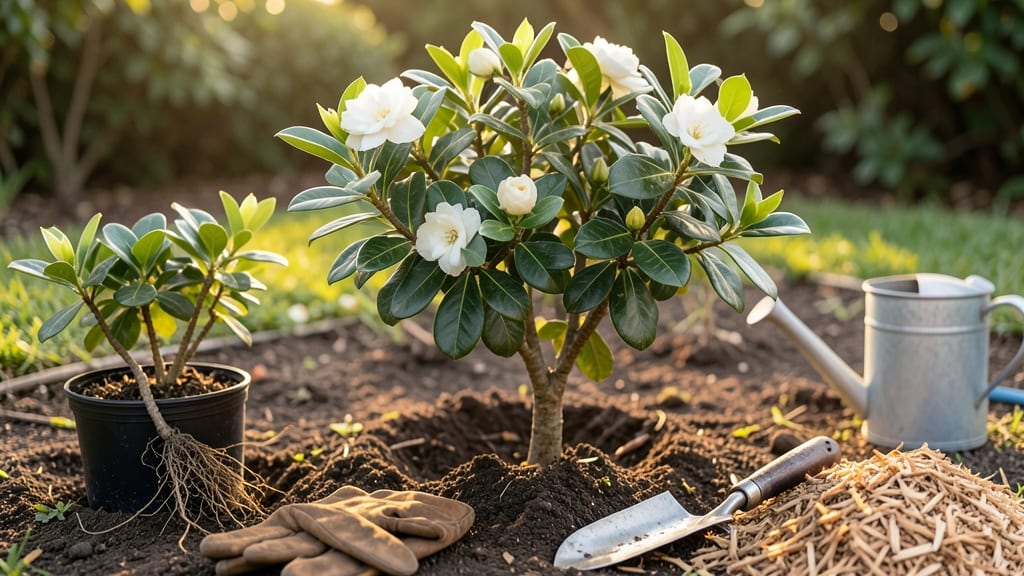
Plant gardenias in North Carolina between March and May or in September and October for the best chance at fragrant blooms and strong roots.
Timing is everything with these 🌸 beauties—get it wrong, and you risk stunted growth or winter damage. Whether you're in the Piedmont’s rolling hills or the coast’s milder climate, knowing your last frost date is the key to success.
Spring planting lets gardenias establish roots before summer heat, while fall gives them time to settle before winter. Both windows work, but each has its own tricks for NC’s unpredictable weather.
Below, I’ll break down the exact months for your zone, how to prep soil, and the one mistake that kills more gardenias in NC than anything else.
North Carolina’s ideal gardenia planting months by climate zone
North Carolina’s diverse climate zones—Coastal, Piedmont, and Mountain—create wildly different conditions for planting gardenias.
In the Coastal Plain (Zones 8a-8b), mild winters mean you can plant as early as February, while the Mountains (Zones 6b-7a) demand waiting until late April or May to avoid frost damage. Timing isn’t just about months—it’s about soil temperature (60°F+) and frost-free windows.
Gardenias thrive when planted in early spring (March-May) or early fall (September-October). Spring planting gives roots time to establish before summer heat, while fall planting lets them settle before winter dormancy. Never plant in summer—the heat stresses young roots, leading to poor survival rates.
The key is root establishment before stress, whether from summer drought or winter cold.
Soil temperature is your best guide: gardenias need 60°F+ soil to root successfully. Use a soil thermometer to check—Coastal areas hit this mark by mid-February, while Mountain zones may wait until late April. Planting too soon in cold soil stunts growth and invites disease. Microclimates matter: a sheltered spot in the Piedmont might be 2-3 weeks earlier than an exposed site.
Here’s how North Carolina’s three regions differ in their ideal planting windows:
For fall planting, aim to finish by mid-October in Coastal zones and early September in the Mountains. Gardenias need 4-6 weeks to establish roots before winter dormancy. Container gardenias can be planted slightly later (up to November in Coastal areas) since you can move them indoors if frost threatens.
Always water deeply after planting to reduce transplant shock.
If you’re in Zone 8a (Coastal), you can even plant bare-root gardenias in December—they’ll establish roots over winter and bloom earlier.
But in Zones 6b-7a (Mountains), avoid fall planting after September 15—roots won’t have time to harden off before winter. Test your soil’s pH (5.0-6.0) before planting; gardenias hate alkaline soil and will struggle to bloom.
Pro tip: Hardening off nursery-bought gardenias for 7-10 days before planting boosts survival rates. Move pots outdoors during the day and back inside at night, gradually increasing exposure.
This mimics NC’s spring temperature swings, which can shock tender new growth. Morning sunlight is ideal for hardening—it’s less intense than afternoon heat.
Once planted, mulch heavily (3-4 inches) with pine bark or pine straw to retain moisture and acidify the soil naturally.
In summer-heavy Piedmont zones, mulch also protects roots from 90°F+ soil temps, which can bake young plants. Water at the base, not overhead, to prevent fungal diseases like powdery mildew—a common issue in NC’s humid summers.
Timing your gardenia planting to NC’s climate zones isn’t just about avoiding frost—it’s about giving roots time to establish before stress.
Whether you’re in the mild Coastal Plain or the cooler Mountains, follow these windows to ensure fragrant blooms year after year. Patience pays off: a gardenia planted at the right time can live (and bloom
How to prepare gardenias for NC’s unpredictable spring weather
North Carolina’s spring weather can swing from chilly nights to sudden heat waves, making it tricky to plant gardenias successfully. These tropical beauties need careful preparation to thrive in our variable climate.
The key is hardening off transplants and protecting them from late frosts while avoiding summer’s scorching heat. Let’s break down the exact steps to give your gardenias the best start.
First, understand that gardenias are sensitive to temperature shifts. Even a light frost can damage tender new growth, while premature summer heat can stress young plants. The solution? A gradual transition and protective measures.
Start by selecting the right soil mix—gardenias demand acidic, well-draining soil (pH 5.0–6.0) to prevent root rot. Amend your garden soil with peat moss or pine bark to mimic their natural habitat.
Here’s your step-by-step plan to prepare gardenias for NC’s unpredictable spring:
Move potted gardenias outdoors for gradual exposure to NC’s spring conditions. Start with 2–3 hours of shade daily, increasing by 1 hour each day. This toughens stems and leaves to handle temperature swings and wind exposure.
Use a soil pH test kit to confirm acidity. If your soil is alkaline, mix in sulfur or pine fines (1–2 lbs per 100 sq ft). Gardenias hate compacted soil, so add organic matter like compost or coconut coir to improve drainage.
Wait until nighttime temperatures stay above 50°F (check your local frost dates). Dig a hole twice as wide as the root ball and loosen soil at the bottom. Plant at the same depth as the container to avoid stem rot.
Apply 3–4 inches of mulch (pine straw or shredded bark) around the base, keeping it 6 inches away from the trunk. Mulch insulates roots from heat spikes and retains moisture. Replenish as it breaks down.
If a cold snap is forecasted, drape frost cloth over plants or use a mini greenhouse. Secure edges with bricks or stakes to prevent wind damage. Remove covers by 10 AM to avoid overheating.
After planting, monitor your gardenias closely for the first 30 days. They’ll need consistent moisture—water deeply 2–3 times per week (1–2 gallons per plant) to encourage deep root growth. Avoid wetting the foliage to prevent fungal diseases like powdery mildew, which thrives in NC’s humid springs.
For extra protection, consider planting gardenias near taller shrubs or trees to provide afternoon shade during summer. This mimics their native understory habitat and reduces stress from intense sunlight. With these steps, your gardenias will establish strong roots and reward you with fragrant blooms all season long.
🌸