
Companion Plants
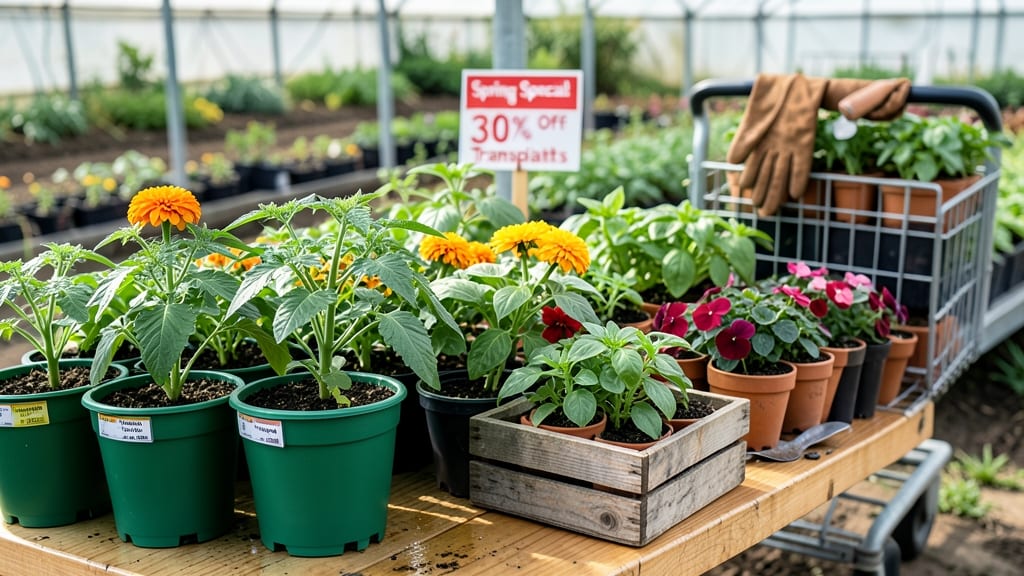
To find where to buy garden plants, local nurseries provide healthier, climate-adapted varieties with expert guidance, while online stores offer wider selections, competitive pricing, and rare plants shipped directly to your door.
Local nurseries win when you need plants that thrive in your specific climate—staff can recommend varieties that handle your soil type and local pests. 🌱 I’ve seen firsthand how these experts spot hidden issues like root rot or nutrient deficiencies, saving gardeners time and money.
Online retailers shine for specialty plants or when you’re short on time, but always check reviews and shipping policies to avoid receiving wilted or damaged goods.
For beginners, I recommend starting with a mix of both: visit a local nursery to learn about plant care, then order unique varieties online. This way, you get the best of both worlds—expertise and convenience—without sacrificing quality or variety.
💡 In This Article
- Local Nursery Advantages for Plant Selection
- Online Plant Retailer Buying Guide
Local nursery advantages for plant selection
Local nurseries thrive on their deep understanding of regional microclimates, which directly impacts plant survival rates. For example, a nursery in Zone 7a will stock heat-tolerant tomato varieties like 'Celebrity' rather than frost-sensitive types, ensuring your plants match your 20-30°F winter lows.
The soil composition in your area—whether clay-heavy or sandy—also guides their selections, as plants like lavender need well-draining soil while hydrangeas prefer moisture-retentive mixes. This hyper-local expertise reduces the 30-50% failure rate common with mismatched plants from big-box stores.
The human element makes all the difference: nursery staff can diagnose plant health on sight, spotting early signs of aphid infestations or powdery mildew that online sellers can't detect in photos.
I once saw a clerk recommend a mycorrhizal fungus treatment for struggling roses—something you'd never find in an online care guide. Their hands-on experience with local pests (like Japanese beetles in the Midwest) means they'll suggest resistant varieties or organic sprays tailored to your specific threats.
This level of personalized advice can save you $50-$100 in replacements and treatments.
Seasonal timing is another critical advantage. Nurseries time their stock to match your planting windows—like offering bare-root roses in late winter when dormancy makes them easier to transplant. They also carry heirloom varieties that online sellers often drop due to lower demand, preserving genetic diversity in your community.
The sensory experience matters too: you can smell the citrusy aroma of rosemary or feel the velvety leaves of lamb's ear before buying, ensuring the plant meets your aesthetic and functional needs.
Supporting local nurseries also strengthens your garden ecosystem. Many participate in plant swaps or offer free workshops on composting, creating a feedback loop where healthy plants from one garden improve the next.
Unlike online retailers, they're invested in your long-term success—not just the initial sale. This relationship-building is why master gardeners often recommend nurseries as the first stop for new growers.
Consider this comparison: A $12 online tomato plant might arrive stunted from shipping stress, while a $15 nursery plant comes with a 5-year guarantee against disease and includes free pruning demonstrations. The upfront cost difference often pays for itself in the first growing season.
For specialty items like blueberry bushes (which need acidic soil), local experts can test your soil pH on-site and recommend elemental sulfur amendments before you buy, ensuring your investment thrives.
What most gardeners don't realize is how nurseries adapt their inventory based on real-time weather data. They'll pull back on tender perennials when a late frost warning appears, or push shade-loving plants after a heatwave.
This dynamic adjustment is impossible for online sellers working with fixed catalogs. The result? Plants that arrive ready to grow, not struggle.