
Pests
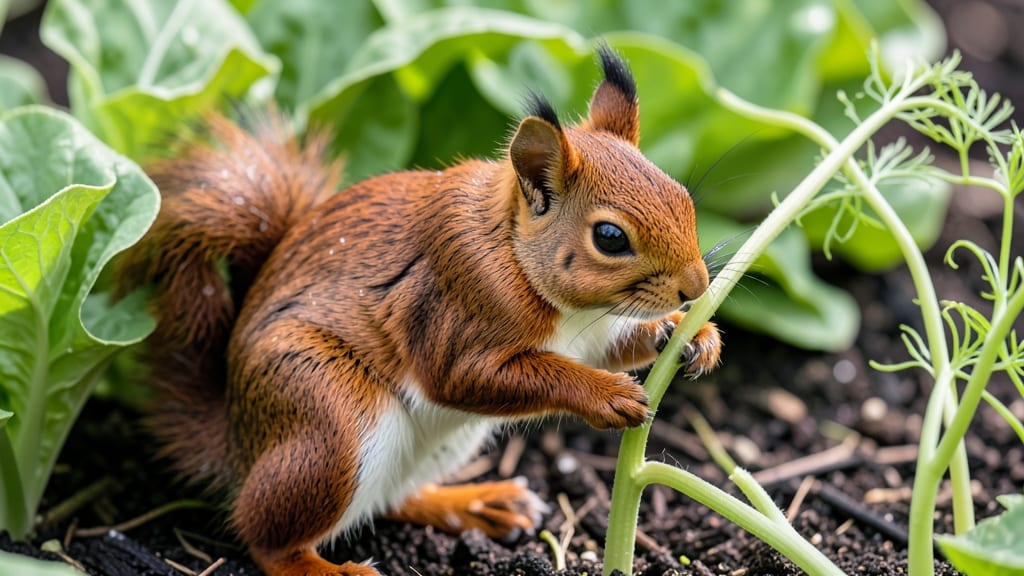
Will squirrels eat my garden? They'll devour most vegetables, fruits, and young plants, but they naturally avoid strong-smelling, toxic, or fibrous varieties like daffodils, lavender, and marigolds. Smart planting and deterrents can save your most vulnerable crops.
Squirrels are opportunistic foragers with a particular taste for nutrient-rich, tender plants—think lettuce, beans, and berries. 🌱 Their avoidance of certain species like daffodils or foxgloves stems from chemical defenses that make these plants unpalatable or even harmful.
The key to protecting your garden lies in understanding these preferences and using them to your advantage through strategic planting and simple deterrents.
For example, interplanting vulnerable crops with squirrel-deterrent herbs like rosemary or thyme creates a natural barrier. Physical solutions like mesh cages or even motion-activated sprinklers can also work wonders when combined with the right plant choices.
The goal is to make your garden less appealing than the alternatives—like nearby bird feeders or wild areas—while still keeping it productive and healthy.
💡 In This Article
- Why Squirrels Target Gardens (And Which Plants They Avoid)
- Natural Squirrel-Proofing Strategies for Your Garden
Why squirrels target gardens (and which plants they avoid)
Squirrels are wired to seek out high-energy foods—especially those rich in carbohydrates and proteins—making your garden a prime buffet. 🌿 Their foraging strategy relies on quick, efficient meals, which is why they strip tender seedlings and nibble on ripe fruits before they can mature.
Studies show that garden vegetables like corn, squash, and tomatoes contain up to 80% water but pack concentrated sugars and starches that squirrels crave, similar to how they prefer acorns over less nutritious leaves.
The texture also matters: soft, succulent leaves are far easier to chew than fibrous stems or tough bark.
What makes certain plants squirrel-proof is their chemical defense arsenal. Take daffodils, for example—they contain lycorine, a toxic alkaloid that causes nausea and vomiting in mammals.
The pungent scent alone is enough to deter squirrels, much like how skunks use their odor as a warning system. Lavender and marigolds work similarly: their essential oils (like linalool in lavender) create an overpowering aroma that squirrels associate with danger.
Even the physical structure plays a role—foxgloves have fuzzy, hairy leaves that irritate a squirrel's mouth, making them avoid the plant entirely.
Squirrels also rely on memory and learned behaviors. If they encounter a plant that makes them sick—like onions or garlic—they’ll remember and steer clear in the future. This is why planting these allium family members near vulnerable crops can act as a natural repellent.
The key is creating a garden where squirrels find more unpleasant experiences than rewards, using both scent and texture as your allies. 🦝
Seasonality also shifts what squirrels target. In spring, they focus on new shoots and bulbs (like tulips), while summer brings attacks on berries and corn. By understanding these patterns, you can time your planting to avoid peak squirrel activity.
For instance, planting squash after Memorial Day—when squirrels are busy gathering nuts—might give your plants a better chance to establish roots before becoming a snack.
Here’s a quick breakdown of why squirrels avoid these plants:
- Chemical defenses: Toxins like lycorine in daffodils or thiaminase in foxgloves create bitter tastes or digestive upset
- Strong scents: Essential oils in lavender or rosemary overwhelm their sensitive noses (squirrels have 44 smell receptors compared to humans' 5 million)
- Physical barriers: Spiky textures (like holly berries) or fibrous leaves (such as sage) make chewing difficult
- Learned avoidance: Previous bad experiences with plants like onions create long-term memory associations
The science behind this avoidance is fascinating: squirrels have evolved to recognize these "warning signals" through natural selection. Plants that survive squirrel attacks often develop these defenses, creating a co-evolutionary arms race.
For gardeners, this means leveraging these same traits to protect your hard work—whether through companion planting or strategic deterrents. 🌱