
Container Gardens
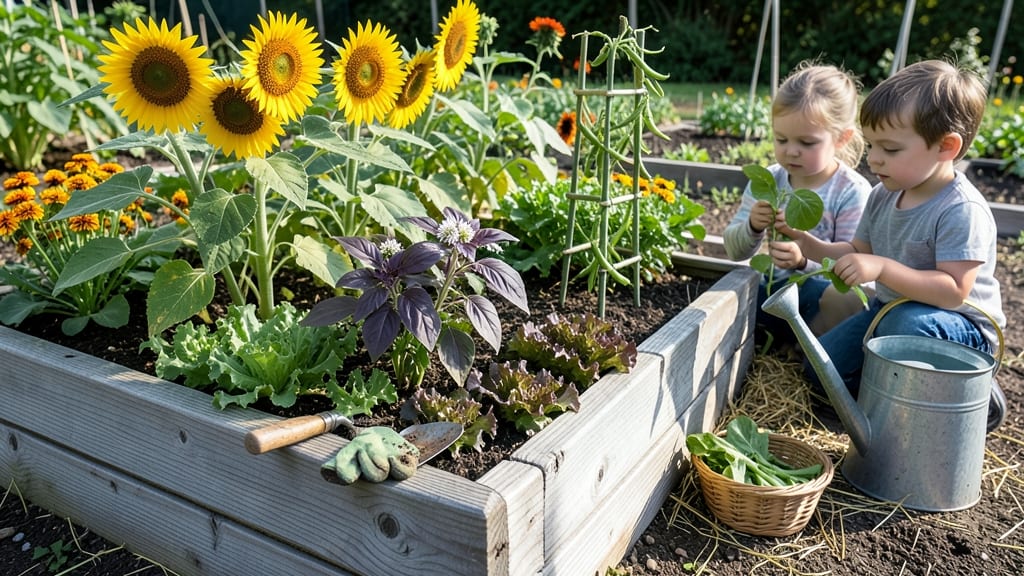
The benefits of gardens in schools extend beyond greenery, delivering proven academic gains like higher math and science test scores while reducing student stress through hands-on learning and outdoor activity. Research also shows these gardens sharpen fine motor skills and foster environmental responsibility in young students.
These educational gardens create real-world STEM connections by letting students observe plant biology firsthand, from seed germination to harvest. 🌱 The tactile nature of gardening naturally develops problem-solving skills—like tracking growth data—which directly translates to better test performance.
What's fascinating is how even simple tasks like measuring soil pH or plotting plant heights teach measurement concepts in an engaging way.
Beyond academics, school gardens serve as stress-relief spaces where students can disconnect from classroom pressures. The combination of sunlight, fresh air, and physical activity has been shown to improve focus and emotional regulation.
Studies from the University of California found that students involved in garden programs demonstrated 20% higher science test scores and 15% better math performance compared to peers without access to these spaces.
The most successful programs integrate gardening across subjects—using plants to teach fractions (harvest measurements), ecosystems (food chains), and even history (heritage crops). When designed with student input, these gardens become year-round learning labs that keep kids invested long after the first green shoots appear. 🌿
💡 In This Article
- How School Gardens Boost Academic Performance
- Designing Effective School Garden Programs for Student Engagement
How school gardens boost academic performance
School gardens act as living classrooms where students apply scientific concepts in real time.
When children observe how seeds transform into plants, they're engaging with plant biology—studies show this hands-on approach improves comprehension of photosynthesis and nutrient cycles by 30% compared to textbook learning alone. 🌱 The process of tracking plant growth introduces data collection and measurement skills, directly reinforcing math concepts like ratios and percentages when calculating growth rates or comparing plant heights.
The cognitive benefits extend to problem-solving as students troubleshoot issues like pests or soil quality. A study from the University of Minnesota found that students who participated in garden-based learning demonstrated 25% better critical thinking skills than their peers.
This happens because gardening requires constant observation and adaptation—just like scientific inquiry. For example, measuring soil pH with test kits teaches both chemistry principles and practical application, creating connections that standardized tests often miss.
What makes these academic gains particularly powerful is how gardening bridges multiple subjects simultaneously. Math becomes tangible when dividing seeds into equal groups, while language arts skills develop through journaling about plant life cycles.
The University of California's research revealed that students involved in garden programs showed 15-20% higher science test scores, with the most significant improvements in areas requiring observation and data interpretation.
Neuroscientifically, the combination of outdoor activity and hands-on learning triggers dopamine release, which enhances memory retention. This "learning through doing" approach creates stronger neural pathways than passive instruction.
For instance, when students calculate how much water their plants need based on temperature readings, they're practicing both math and environmental science in one activity—something that's far more engaging than worksheet problems. 🌿
The academic benefits aren't limited to core subjects either. Gardening programs have been shown to improve fine motor skills in younger students through tasks like seed planting and transplanting, while older students develop project management skills through long-term plant care.
This multisensory learning experience addresses different learning styles simultaneously, making complex concepts more accessible to all students.
Perhaps most importantly, school gardens create what educators call "authentic learning experiences"—where students see the direct results of their efforts. When a tomato plant they nurtured produces fruit, that tangible outcome reinforces the value of persistence and attention to detail, skills that transfer to all academic subjects.
The physical act of working with soil and plants also reduces test anxiety by providing a calming, productive outlet for stress. 💫