
Pruning
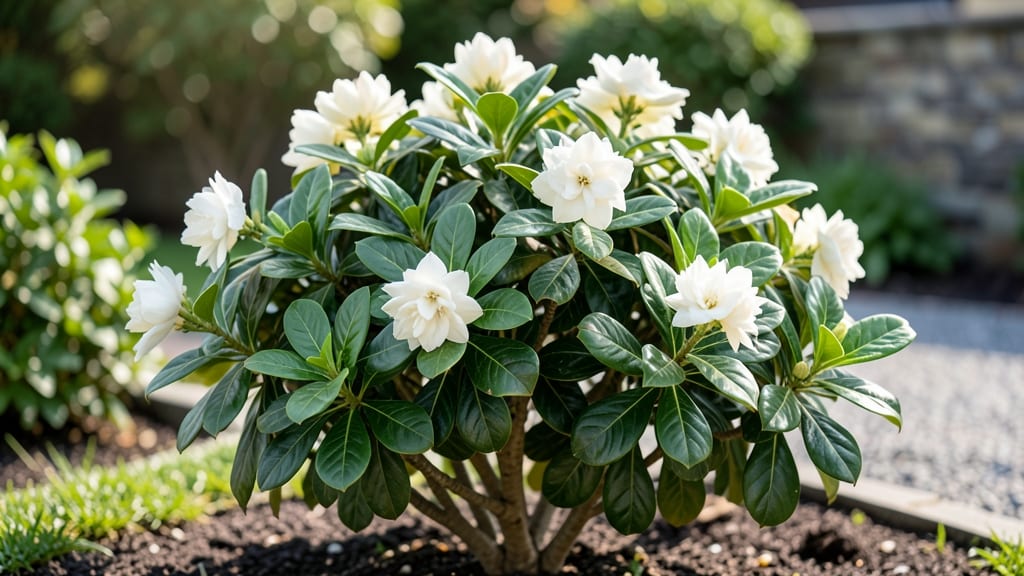
A gardenia bush height of 3 to 6 feet is what you can expect when left to grow naturally, but with the right pruning, you can shape it to fit your space—whether that’s a compact 2-foot accent plant or a taller, fuller shrub.
If your gardenia bush is growing taller than your fence—or refusing to bloom—you’re not alone. Mastering height control isn’t just about pruning; it’s about timing, technique, and understanding how these fragrant beauties naturally grow. One wrong cut can send it skyward, while the right approach keeps it lush and blooming.
In Zone 6 and warmer climates, gardenias grow 12 to 24 inches per year if unpruned, but with strategic trims in spring and summer, you can slow that growth and encourage a bushier shape.
The key? Pruning at the right time and knowing which stems to trim to avoid stunting blooms.
Below, I’ll break down how to control gardenia bush height in just two years, including the best pruning tools, when to cut, and how to fix mistakes that make your plant grow too tall. Ready to take the guesswork out of it?

Natural gardenia bush height: how fast and tall they grow without pruning
If you’ve ever wondered, "How tall does a gardenia bush grow?" the answer depends on its natural growth rate and environmental conditions. Without pruning, most gardenia bushes grow 12–24 inches per year, reaching their mature height of 3–6 feet between years 3–5.
Understanding this growth pattern helps you set realistic expectations and plan your garden layout accordingly.
Gardenia bushes thrive in warm climates (USDA Zones 7–10), where they can grow taller and bushier. In cooler zones (like Zone 6), their growth slows, often staying under 4 feet tall unless given extra care.
The key factors influencing height are sunlight exposure, soil acidity, and water consistency—all of which we’ll explore to help you predict your gardenia’s future size.
One common misconception is that gardenias grow vertically like trees. In reality, they’re shrubs that branch out when given proper care. Without pruning, they may develop a taller, leggy appearance as they stretch toward sunlight.
To encourage a fuller, bushier shape, focus on providing 4–6 hours of morning sun and well-draining, acidic soil (pH 5.0–6.5). These conditions help your gardenia grow wider rather than just taller.
Climate plays a huge role in height control. In humid, tropical zones (like Florida or Hawaii), gardenias can grow up to 8 feet tall without pruning due to year-round warmth and moisture.
In contrast, cooler climates (Zones 6–7) limit growth to 3–4 feet unless you use protective measures like mulching or winter wraps. Even in cooler zones, your gardenia’s height is manageable with the right care.
Soil quality directly impacts growth speed. Gardenias hate alkaline soil—if your soil’s pH is above 6.5, growth slows, and blooms may fail to appear. Test your soil and amend it with sulfur or peat moss to keep it acidic.
Additionally, well-draining soil prevents root rot, which can stunt growth. Amend heavy clay soil with compost or perlite to improve drainage and encourage healthier, faster growth.
Watering habits also affect height. Overwatering causes leggy growth as the plant stretches for more light, while underwatering stresses roots, slowing vertical expansion. Aim for deep watering 2–3 times per week during summer and reduce to once weekly in cooler months.
Always water at the base of the plant to avoid wetting leaves, which can lead to fungal issues like powdery mildew.
If you’re growing gardenias in containers, expect slightly slower growth—typically 1–2 feet per year—due to limited root space. To maximize height in pots, choose a large container (at least 18 inches wide) and repot every 2–3 years to refresh the soil.
Container gardenias also benefit from regular fertilization (every 6–8 weeks) to compensate for nutrient loss from frequent watering.
For gardeners in small spaces or urban areas, dwarf varieties like ‘Kleim’s Hardy’ gardenia (a cold-hardy hybrid) max out at 3–4 feet tall, making them ideal for patios or balconies.
Even standard varieties can be kept smaller with light pruning—we’ll cover pruning techniques in the next section to help you control height naturally without sacrificing blooms.
Remember, gardenias grow at their own pace. While some may reach 6 feet in 3 years, others take 5+ years to mature. Patience and consistent care—like regular pruning, proper watering, and soil maintenance**—will ensure your gardenia grows to its full potential without becoming unmanageable.
The key is to work with its natural growth habits rather than forcing it into a shape it wasn’t meant to be.
Step-by-step pruning guide to limit gardenia bush height in 2 years
Pruning your gardenia bush isn’t just about trimming—it’s about guiding its growth to stay within your desired height limits while keeping it lush and blooming. With the right seasonal timing and techniques, you can reduce its height by 30–50% annually without sacrificing those coveted white flowers.
The key lies in understanding when to cut and how to shape it for maximum bushiness.
Before grabbing your shears, gather the essential tools: sterilized pruning shears, sharp bypass pruners, rubbing alcohol (for sterilization), and garden gloves. Sterilizing your tools prevents spreading disease, which is especially critical for gardenias that are prone to fungal issues.
Work on a dry, overcast day to minimize stress on the plant, and always make cuts at a 45-degree angle just above a leaf node.
🌿 Seasonal Pruning Schedule for Height Control
-
🌱 Early Spring (March–April)
Remove dead or crossing branches first. Then, cut back 1/3 of last year’s growth to encourage new, bushier growth. Focus on upper branches to reduce height. -
☀️ Late Spring (May–June)
Use pinching (removing the top 1–2 inches of new growth) on tips of stems to promote branching. Avoid heavy cuts—this is about shaping, not drastic reduction. -
🌞 Summer (July–August)
Lightly trim overly leggy stems to maintain shape. Remove spent blooms (deadheading) to redirect energy to new flowers. Never cut more than 20% of the plant in summer. -
🍂 Early Fall (September–October)
Do minimal pruning—only remove weak or diseased branches. Gardenias need time to harden off before winter, so avoid heavy cuts.
For maximum height reduction, focus on heading back—cutting the main stems back by 1/3 to 1/2 during early spring. This forces the plant to grow wider and bushier. Pair this with pinching in late spring to create a denser, more compact shape.
Remember, gardenias bloom on new wood, so avoid heavy pruning in late summer or fall, as this can reduce next year’s flowers.
One common mistake is over-pruning, which stresses the plant and can lead to fewer blooms. Stick to the 30–50% annual reduction rule and monitor your gardenia’s response.
If you notice yellowing leaves or stunted growth, you’ve likely pruned too aggressively. Adjust your approach for the next season by cutting back less.
After pruning, give your gardenia a light fertilizer application (like a 6-6-6 NPK blend) to support new growth. Water deeply but avoid soaking the foliage to prevent fungal diseases. With consistent care, your gardenia will stay at your desired height while still producing an abundance of fragrant blooms.
In just two years, you’ll see dramatic results—your gardenia will be 30–50% shorter while remaining fuller and more vibrant. The secret? Patience and precision. Every cut should have a purpose, whether it’s reducing height, improving airflow, or encouraging more blooms. Happy pruning! 🌸