
Aphids
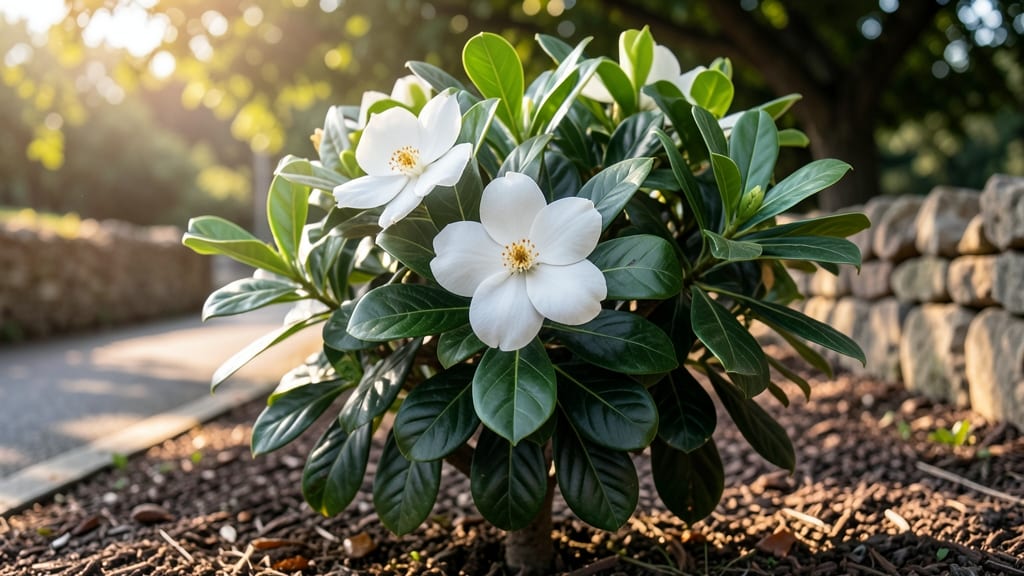
Understanding gardenia height and width is the key to growing a thriving, fragrant shrub 🌸 that fits your space and blooms like crazy.
If your gardenia is growing taller than a small tree but still refuses to produce those fragrant, lush blooms, you’re not alone—most gardeners struggle with managing gardenia height and width for optimal growth.
These glossy-leaved beauties can reach anywhere from 3 to 6 feet tall, depending on the variety, but their width often gets overlooked. Without proper pruning and spacing, they can sprawl just as much as they grow upward, crowding out other plants or looking unkempt.
In this guide, I’ll break down the natural height and width of popular gardenia varieties, share proven pruning techniques to keep them compact and bushy, and reveal the common mistakes that stunt their growth—so you can finally enjoy those showstopping blooms without the chaos.

Natural gardenia height and width: what to expect by variety and age
Understanding your gardenia's natural height and width is key to creating a thriving garden space. These fragrant shrubs grow at different rates depending on the variety and age, so knowing what to expect helps with proper spacing and care.
Whether you're planting a Cape Jasmine or Kleim’s Hardy, each variety has distinct mature dimensions that influence your garden layout.
Young gardenias start small—often just 1–2 feet tall in their first year—but their growth accelerates as they mature. By year three, most varieties reach half their mature height, making early planning essential.
The environmental conditions like sunlight, soil pH, and watering also play a critical role in determining how tall and wide your gardenia will become.
Below is a summary of common gardenia varieties and their expected mature dimensions, along with growth patterns by age. Use this guide to plan your garden layout and ensure your gardenia thrives without outgrowing its space.
If you're growing gardenias in containers, their height and width will naturally be more controlled. However, even potted gardenias can reach half their mature height if not pruned regularly.
For example, a Cape Jasmine in a 15-gallon pot may stay around 3–4 feet tall but will still spread 2–3 feet wide if given proper care.
The soil pH is another critical factor—gardenia thrives in acidic soil (pH 5.0–6.5). If your soil is alkaline, the plant may grow slowly or develop yellow leaves, which can stunt its height and width.
Always test your soil before planting and amend it with peat moss or sulfur if needed.
Sunlight exposure also affects growth. While gardenias prefer partial shade (4–6 hours of morning sun), too much direct afternoon sun can cause leaf scorch and slow growth.
In shadier conditions, gardenias may grow taller but produce fewer blooms, while too much sun can limit their width due to stress.
Pruning plays a huge role in managing gardenia size. If left unpruned, some varieties like Kleim’s Hardy can grow into small trees, reaching 8 feet tall. Regular pruning in late winter or early spring encourages bushier growth and prevents leggy stems. Always use sterilized pruners to avoid disease spread.
For gardeners in USDA Zones 7–10,
Pruning gardenias for height control: step-by-step techniques for bushier blooms
Managing your gardenia’s height and width isn’t just about aesthetics—it’s the key to encouraging those fragrant blooms you love. Overgrown gardenias often produce fewer flowers because their energy goes into vertical growth instead of bushy foliage and blossoms.
The good news? Strategic pruning can transform a leggy gardenia into a compact, blooming powerhouse in just one season.
Timing is everything with gardenias. Prune at the wrong time, and you risk stunting flower production or even killing your plant. The best time to prune is right after blooming (late spring to early summer) when the plant has finished its primary flowering cycle.
This gives your gardenia time to recover and set new buds before winter dormancy. Avoid heavy pruning in fall or winter, as this can stress the plant when it’s already conserving energy.
🌿 Step-by-Step Pruning Guide for Gardenia Height Control
-
Step 1: Gather Your Tools
Use sterilized pruning shears (for small branches) and loppers (for thicker stems). Disinfect tools with rubbing alcohol to prevent disease spread. -
Step 2: Identify Dead or Diseased Branches
Remove yellowing leaves, mushy stems, or branches with black spots. Cut back to the nearest healthy growth node at a 45-degree angle. -
Step 3: Shape the Canopy
Focus on inner branches to improve airflow. Trim back overlapping branches by 1/3 of their length to encourage outward growth. -
Step 4: Control Height
For taller gardenias, cut the topmost 6–12 inches of the tallest stems. This redirects energy to side shoots, creating a fuller shape. -
Step 5: Thin Out Crowded Areas
Remove 1–2 older branches per cluster to reduce competition. Aim for a balanced, open structure with 3–4 main stems. -
Step 6: Post-Pruning Care
Apply mulch around the base to retain moisture and fertilize lightly with acid-loving plant food (e.g., 10-10-10 NPK) to support recovery.
After pruning, your gardenia may look a little sparse, but don’t worry—this is normal! The plant will redirect its energy to new growth and flower buds. To maximize blooms, avoid pruning again until the following spring.
If you’re growing a dwarf variety like ‘Kleim’s Hardy,’ you’ll need lighter pruning (just 10–20% of the plant) to maintain its compact form.
Pro tip: If your gardenia is over 6 feet tall and you want to reduce its height dramatically, prune in two stages. First, trim back 1/3 of the height in late spring, then do a light maintenance prune in early summer.
This gradual approach reduces shock and encourages stronger regrowth. Always prune just above a leaf node or bud to promote new shoots.
Remember, gardenias thrive on consistency. Combine pruning with regular watering (deep soaks every 2–3 days in summer) and acidic soil (pH 5.0–6.5) to keep your plant healthy. With the right technique, your gardenia will reward you with lush foliage and abundant blooms year after year. 🌸