
How To
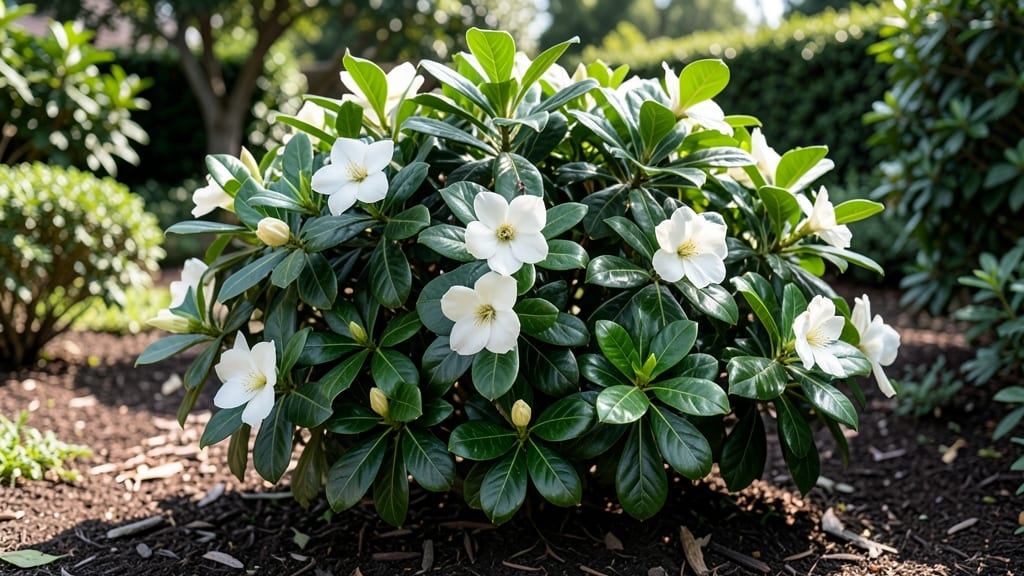
Gardenias grow to 4 to 6 feet tall and spread 3 to 5 feet wide at maturity, making them a medium-sized shrub that fits well in many landscapes—if you know how to manage them.
If you’re dreaming of fragrant gardenias but worried about them taking over your yard, understanding their mature size—and how to manage it—is key to enjoying their beauty without the chaos.
Most gardenias, like the popular G. jasminoides, reach 6 feet in height, while dwarf varieties like ‘Radicans’ stay under 3 feet. The difference comes down to pruning, soil, and sunlight—all of which I’ll break down so you can pick the perfect size for your space.
You’ll also discover how to keep gardenias compact, whether you’re growing them in containers or training them as small shrubs. By the end, you’ll know exactly how big your gardenias will get—and how to shape them for the best blooms.
Gardenia size by variety: how big do they grow naturally?
If you’re dreaming of fragrant gardenias but worried about them taking over your yard, understanding their mature size—and how to manage it—is key to enjoying their beauty without the chaos.
Gardenias naturally grow as evergreen shrubs with glossy leaves and highly fragrant blooms, but their size varies dramatically by variety. Knowing these differences helps you choose the perfect gardenia for your space, whether you have a sprawling backyard or a cozy patio.
Most gardenias reach their mature size within 3-5 years, though growth rates depend on soil quality, sunlight exposure, and pruning habits.
The most popular variety, Gardenia jasminoides, typically grows 4-6 feet tall with a 3-5 foot spread, making it ideal for hedges or background planting. However, some varieties stay compact, perfect for containers or small gardens.
| Variety | Mature Height | Mature Spread | Growth Habit | Notes |
|---|---|---|---|---|
| Gardenia jasminoides (Common Gardenia) | 4-6 ft | 3-5 ft | Upright, multi-stemmed shrub | Most popular; needs pruning to control size |
| Gardenia radicans (Cape Jasmine) | 6-10 ft | 4-8 ft | Vining or climbing shrub | Fast-growing; needs support or training |
| Gardenia augusta (Dwarf Gardenia) | 2-3 ft | 2-3 ft | Compact, rounded shrub | Ideal for containers or small gardens |
| Gardenia 'Kleim’s Hardy' | 3-4 ft | 3-4 ft | Bushy, cold-hardy shrub | Tolerates cooler climates (USDA Zone 7) |
| Gardenia 'Veitchii' | 6-8 ft | 4-6 ft | Tall, upright shrub | Large, showy blooms; needs space |
The Gardenia jasminoides, often called the common gardenia, is the variety most gardeners recognize. Its 4-6 foot height and 3-5 foot spread make it a statement plant in landscapes, but it can easily be pruned to stay smaller.
If you’re short on space, opt for dwarf varieties like Gardenia augusta, which tops out at just 2-3 feet tall and wide—perfect for patio planters or window boxes.
For those with vertical space, Gardenia radicans (also called Cape Jasmine) is a stunning choice, though it can grow 6-10 feet tall and spread 4-8 feet if left unchecked.
This variety often needs trellises or arbors to guide its growth, making it ideal for perennial borders or privacy screens. If you love the look but want something more manageable, Gardenia 'Kleim’s Hardy' offers a 3-4 foot height with cold-hardiness down to USDA Zone 7.
Environmental factors play a huge role in how big your gardenia grows. Full sun exposure (6+ hours daily) encourages faster growth, but afternoon shade in hot climates prevents stress and keeps plants more compact. Well-draining, acidic soil (pH 5.0-6.0) is non-negotiable—gardenias hate soggy roots and will grow poorly in alkaline or compacted soil.
Even with ideal conditions, pruning habits can shrink or expand a gardenia’s size by up to 30%.
If you’re growing gardenias in containers, expect slightly slower growth due to root restriction. A 5-gallon pot is ideal for dwarf varieties, while 15-gallon containers work for standard types like Gardenia jasminoides.
Regular root pruning (trimming roots that circle the pot) encourages bushier growth and prevents legginess. Remember, container gardenias need more frequent watering since pots dry out faster than garden beds.
One common misconception is that gardenias grow slowly in their first year, but with the right care, they can add 1-2 feet of height annually. In their second year, growth accelerates, and by year three, they’ll resemble their mature size.
To keep them bushier and smaller, prune in late winter or early spring before new growth begins. Avoid heavy pruning in fall, as this can stimulate tender new growth that won’t survive winter frosts.
For those in small spaces, consider bonsai-style gardenias. With regular pruning, wire training, and container limitations, you can keep a gardenia as small as 1-2 feet tall while still enjoying its intoxicating fragrance.
Just be prepared for slower bloom production in the first few years, as the plant focuses energy on establishing roots.
No matter which variety you choose, gardenias reward patience with lush foliage and heavily perfumed blooms from late spring to fall. By understanding their natural size and growth habits, you can create a fragrant haven that fits your space—whether it’s a tiny balcony or a sprawling backyard. 🌸
Pruning gardenias for size control: step-by-step guide
Gardenias naturally grow into 4-6 ft tall shrubs with a 3-5 ft spread, but their size depends on variety and care. Pruning isn’t just about keeping them small—it’s about encouraging bushier growth and more abundant blooms.
Without pruning, gardenias can become leggy and produce fewer flowers. The key is timing and technique to maintain their shape while promoting healthy new growth.
Most gardeners prune gardenias twice a year: once in late winter or early spring (just before new growth starts) and again after blooming in summer. This two-step approach balances size control with flower production.
Always use clean, sharp pruning shears to avoid damaging stems, and never prune more than 1/3 of the plant at once to prevent stress.
- 1 Choose the right time: Prune in late winter (Feb-March) to shape the plant before new growth begins. Avoid pruning in fall or winter when the plant is dormant.
- 2 Remove dead or weak wood: Cut out dead, diseased, or crossing branches first. These branches won’t produce flowers and can harbor pests.
- 3 Thin out crowded branches: Look for overlapping branches and prune 1/3 of the oldest stems to improve airflow and light penetration. This encourages bushier growth.
- 4 Use heading cuts for shape: To limit height, cut back new growth tips by 1/3 to encourage branching. Avoid cutting into old wood, as gardenias bloom on new growth.
- 5 Post-bloom pruning: After flowers fade in summer (June-July), trim spent blooms and leggy stems to redirect energy to new growth. This keeps the plant compact and prepares it for next year’s blooms.
- 6 Sanitize tools: Wipe shears with rubbing alcohol before and after pruning to prevent spreading disease. Store tools in a dry place to keep them sharp.
When pruning, always cut just above a leaf node (the point where leaves or buds grow) at a 45-degree angle. This encourages the plant to grow outward rather than upward, creating a fuller, more compact shape.
For gardenias grown in containers or small spaces, prune more aggressively in spring to maintain their size while still promoting blooms.
One common mistake is pruning too late in the season, which can delay next year’s blooms. Gardenias need time to recover and set buds for spring. If you’re aiming for a smaller, bushier gardenia, focus on regular thinning cuts rather than just heading back the tops.
This approach prevents the plant from becoming top-heavy and encourages a balanced shape.
After pruning, apply a layer of mulch around the base of the plant to retain moisture and suppress weeds. This is especially important in hot, dry climates where gardenias struggle to establish new growth.
Water deeply after pruning to help the plant recover and reduce stress. With consistent pruning, your gardenia will stay manageable in size while producing more fragrant blooms than an unpruned plant.