
Blooming
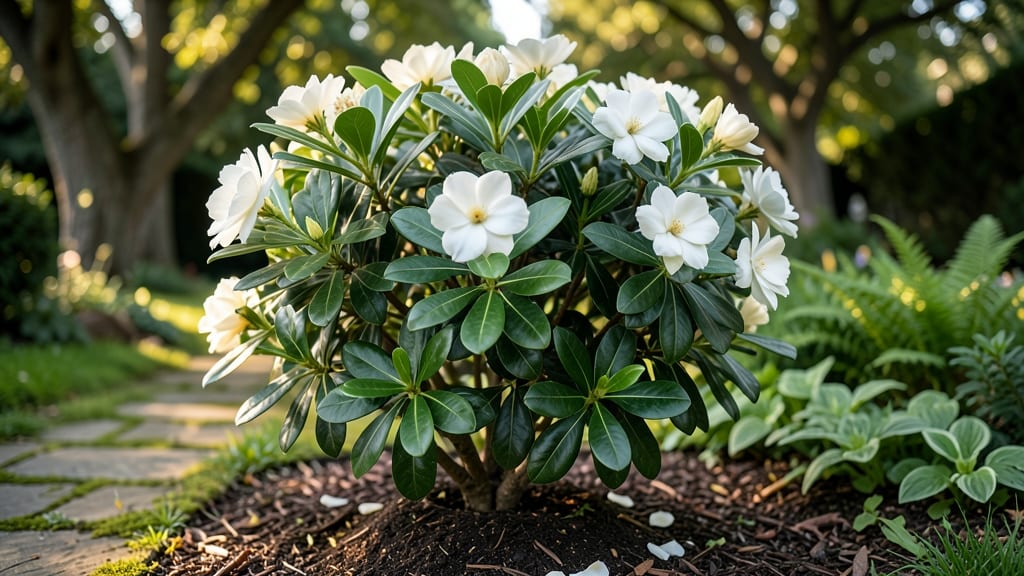
Gardenias bloom in Zone 9 between June and August — their fragrant white flowers 🌸 arriving like clockwork when the heat settles in.
If you’ve ever wondered why your gardenia bushes seem to burst into blooms at unpredictable times in Zone 9, timing is everything—and the answer lies in understanding the precise seasonal triggers that kickstart their flowering cycle.
Inland areas often see blooms start slightly later, around mid-July, while coastal regions may enjoy earlier displays as early as late May. The key? Consistent moisture, partial shade, and avoiding summer heat stress, which can delay or reduce blooms.
Below, I’ll break down the exact months for peak fragrance, how to encourage earlier or later blooms, and the best care tips to keep your gardenias thriving in Zone 9’s unique climate.
Gardenias in Zone 9: exact blooming months and seasonal triggers
In Zone 9, gardenias typically bloom during the summer months, with their fragrance filling the air from June through August. This timing aligns perfectly with the region's warm climate, where temperatures stay consistently between 70°F and 90°F, creating ideal conditions for these tropical beauties.
However, the exact bloom window can shift slightly depending on your location within Zone 9—coastal areas may see earlier blooms, while inland regions might experience a later start.
The peak bloom period for most gardenias in Zone 9 occurs in July, when humidity levels are high and daytime temperatures are steady. This is when you’ll witness those iconic white, creamy blooms opening fully, releasing their intoxicating scent.
Early bloomers might start as early as late May, while late bloomers can extend into early September, especially in areas with cooler microclimates.
Seasonal triggers play a crucial role in determining when your gardenias will bloom. These plants are sensitive to temperature shifts, particularly the transition from spring warmth to summer heat. Once daytime temperatures consistently reach 75°F and stay there, your gardenias receive the signal to begin budding. Additionally, high humidity levels (common in Zone 9) further encourage blooming, as gardenias thrive in moist, tropical-like conditions.
Another key factor is sunlight exposure. While gardenias prefer partial shade to protect them from the intense Zone 9 sun, they still need 4-6 hours of morning sunlight to set buds properly.
If your gardenias aren’t receiving enough light, their blooming cycle may be delayed or reduced. Conversely, too much afternoon sun can stress the plant, leading to fewer blooms or even leaf drop.
Here’s a quick breakdown of how Zone 9’s climate influences gardenia blooming:
If you’ve noticed your gardenias blooming earlier or later than expected, it’s likely due to microclimates in your area.
For example, gardenias near the coast in Zone 9a (like San Diego) may start blooming as early as May, while those in Zone 9b (like Phoenix) might not peak until late July.
The key is to observe your plant’s behavior over a few years to predict its unique bloom schedule.
One common misconception is that gardenias bloom in spring, but in Zone 9, they’re actually summer bloomers. This is because gardenias are native to tropical and subtropical regions, where warm temperatures and long days signal the perfect time to flower.
If your gardenias aren’t blooming at all, it could be due to nutrient deficiencies, poor drainage, or over-pruning. Always ensure they’re planted in acidic, well-draining soil (pH 5.0–6.5) and fertilized lightly in early spring to encourage healthy growth.
For those who love the scent of gardenias, timing your pruning and fertilizing is crucial. Prune your gardenias right after they finish blooming (typically in September) to shape the plant and encourage new growth for next year’s flowers.
Avoid heavy pruning in late winter or early spring, as this can remove the flower buds that form during the cooler months. A light trim to remove dead or overcrowded branches is usually sufficient.
Finally, if you’re looking to extend the blooming season, consider planting gardenias in a location with dappled shade and consistent moisture. Mulching around the base of the plant can help retain soil moisture and regulate temperature, which may encourage a longer bloom period.
With the right care, your gardenias can reward you with fragrant blooms from June through September, making your Zone 9 garden a sensory delight.
🌸
How to encourage gardenias to bloom earlier or later in Zone 9
Adjusting your gardenia's blooming schedule in Zone 9 is all about working with its natural rhythms while giving it the right signals. These fragrant shrubs typically bloom from June through August, but with strategic care, you can coax earlier or later flowers to extend your fragrant season.
The key lies in understanding how pruning timing, fertilization cycles, and watering adjustments interact with your local microclimate.
For example, coastal areas in Zone 9 often experience cooler summers, which can delay blooming until late July or August. Meanwhile, inland regions might see blooms as early as May or June due to warmer temperatures.
By fine-tuning these three factors, you can shift your gardenia's peak bloom by 4-6 weeks in either direction without compromising plant health.
Coastal areas: July-August (cooler summers)
Inland areas: May-July (warmer summers)
Pro tip: Monitor your local minimum nighttime temperatures—gardenias need temps above 60°F to set buds reliably.
To encourage earlier blooms, start with late-winter pruning in February. Remove about 1/3 of the oldest wood to stimulate new growth, which will have time to mature and flower before summer heat arrives.
Pair this with a balanced fertilizer (10-10-10) applied in early March—this gives roots time to establish before the flowering cycle begins. Increase watering frequency to every 5-7 days during bud formation to prevent stress.
For later blooms, delay pruning until after the first flush of flowers in June. This removes spent blooms and redirects energy toward a second wave. Reduce fertilization after May to avoid late-season growth that won't have time to harden off before winter.
Instead, focus on deep watering every 10-14 days to maintain root health without encouraging soft new growth.
Troubleshooting sparse blooming often comes down to light conditions and soil pH. Gardenias thrive in partial shade—if your plant is getting too much afternoon sun, move it or add shade cloth. Test your soil pH; gardenias prefer acidic conditions (5.0-6.5).
If your soil is alkaline, amend it with peat moss or sulfur in early spring. A monthly foliar spray with diluted citric acid can also help maintain optimal pH.
Remember that gardenias are sensitive to sudden changes. When adjusting their bloom cycle, make adjustments gradually over 2-3 years rather than trying to force immediate results. Patience pays off—with consistent care, you'll enjoy fragrant blooms for 8-10 weeks instead of the typical 4-6 week window.
The secret is understanding that gardenias respond to seasonal cues like temperature shifts and daylight changes, not just your direct interventions.