
Planting
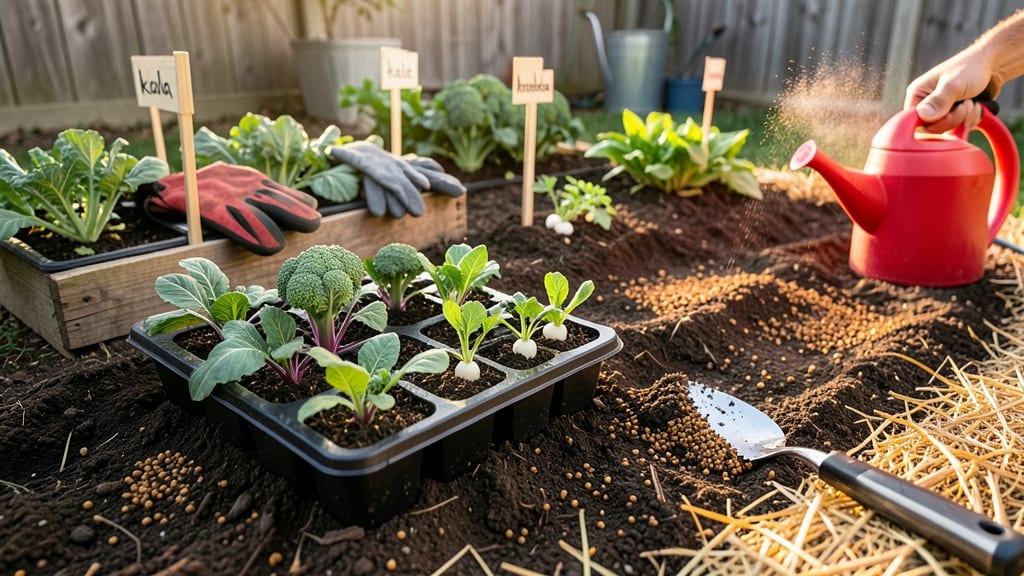
Planting a fall garden in Texas requires precision timing—your 60- to 90-day window between mid-August and early October can make or break your harvest.
Texas gardeners know timing is everything—plant too early, and your fall crops wilt in the heat; too late, and frost ruins your harvest. But with Texas' unique heat zones and fast-moving seasons, mastering the right planting windows can mean the difference between a thriving garden and a failed experiment.
In zones 8a-10b, the key is working backward from your first frost date—whether that’s December in North Texas or November in Central Texas. This guide breaks down the exact deadlines for fast-maturing crops like radishes versus slow growers like broccoli, so you never miss the boat.
You’ll learn how to prep your soil for Texas’ unpredictable fall weather, when to water for maximum yield, and which crops thrive in your specific heat zone—plus a checklist to keep your fall garden on track.
Texas heat-Zone planting deadlines for fall vegetables by maturity
Texas' diverse heat zones (A1–B2) create unique challenges for fall gardening. Unlike northern states, our long growing seasons and variable frost dates demand precise timing. Plant too early in Zone 10b, and your leafy greens bolt from residual summer heat.
Plant too late in Zone 8a, and a sudden October freeze wipes out your broccoli. The key? Matching crop maturity to your specific zone's last planting deadlines.
Texas is divided into 11 heat zones based on average last frost dates and summer heat intensity. Coastal areas like Zone A1 (Houston) have humid heat and earlier frosts, while Zone B2 (El Paso) faces high desert conditions with lingering warmth.
Even within Central Texas (Zone 8b), elevation changes shift planting windows by weeks. For example, Austin's Hill Country (Zone 8a) can plant kale 3 weeks later than San Antonio's flatter terrain.
Here's the rule of thumb I follow: Fast-maturing crops (like radishes or bush beans) get 60–75 days to harvest before frost. Medium-maturity crops (such as spinach or carrots) need 75–90 days, while slow growers (like cabbage or brussels sprouts) require 90–120 days.
Adjust these timelines by 1–2 weeks depending on your zone's historical frost data.