
Tools
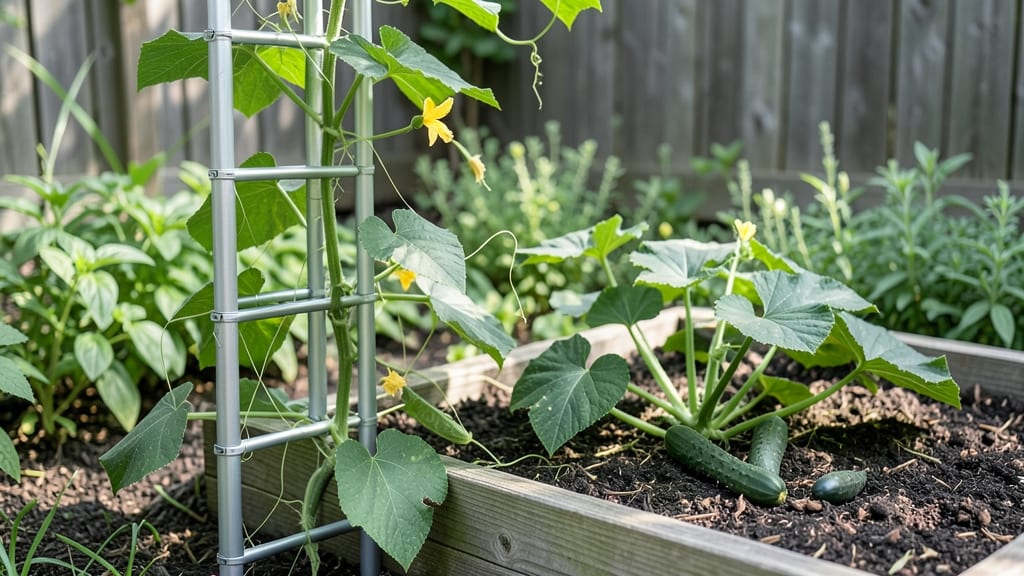
A foldable garden trellis is a smart solution for small spaces, offering adjustable heights and collapsible frames that save storage space while supporting heavy vines like cucumbers or beans up to 10-20 pounds per section.
A foldable garden trellis isn't just about saving space—it's about transforming how you grow. 🌱 These designs let you adjust heights as plants mature, ensuring optimal sunlight exposure without sacrificing your garden's footprint. I've seen them support everything from delicate morning glories to robust pole beans, proving their versatility.
The real magic happens when you consider material choices: lightweight bamboo might work for lighter vines, while powder-coated metal handles heavier loads like squash or melons.
What's even better is how they adapt to different growing situations. Wall-mounted options are perfect for balconies or small patios, while freestanding models work in larger beds. For container gardens, modular systems let you mix and match sections to fit your space—ideal for urban gardeners with limited room.
The key is matching the trellis's weight capacity to your plants' growth potential, so you're not left with floppy vines or collapsed frames later in the season.
💡 In This Article
- How Foldable Trellis Materials Affect Weight Capacity
- Top Space-Saving Foldable Trellis Designs for Small Gardens
How foldable trellis materials affect weight capacity
The weight a foldable trellis can support depends entirely on its material composition. Metal trellises, especially those made from galvanized steel or aluminum, offer the highest weight capacity—typically 20-30 pounds per section—because of their high tensile strength and rigidity.
The dense molecular structure of metal resists bending under load, making it ideal for heavy climbers like pumpkins or winter squash. 🔥 For example, a 4-foot steel trellis can easily handle a 12-pound butternut squash vine without sagging, thanks to its ability to distribute weight evenly across the frame.
Bamboo trellises, while eco-friendly and aesthetically pleasing, have a more limited capacity—usually 5-10 pounds per section. The natural fibers provide flexibility but lack the structural integrity of metal.
This makes bamboo better suited for lighter vines like morning glories or pole beans, where the weight stays under 5 pounds. The trade-off is bamboo's lightweight nature, which makes it easier to handle and store, though it may require more frequent adjustments as plants grow.
Plastic trellises fall somewhere in between, with capacities ranging from 8-15 pounds, depending on the thickness and reinforcement of the material.
Weather resistance also plays a critical role in material performance. Metal trellises, especially those with powder-coated finishes, resist rust and corrosion, ensuring long-term durability even in rainy climates. Bamboo, however, absorbs moisture and can weaken over time if not treated with a protective sealant.
Plastic trellises are generally the least weather-resistant, as prolonged exposure to UV rays can cause them to become brittle and lose structural integrity. This is why metal remains the top choice for gardeners in humid or coastal areas, where moisture and salt exposure are constant concerns.
When assessing your needs, consider the mature weight of your plants. A single cucumber vine can reach 10-15 pounds when fully loaded with fruit, while a pole bean plant typically stays under 5 pounds.
If you're growing multiple heavy vines, opt for a trellis with reinforced joints or a wider base to distribute the load. For example, a 6-foot metal trellis with diagonal braces can support twice the weight of a similar-sized bamboo model, making it a better long-term investment for heavy climbers.
Another factor is the trellis's design—some materials benefit from additional support features. Metal trellises often include adjustable crossbars or guy wires, which help stabilize the structure under heavy loads.
Bamboo and plastic models, on the other hand, rely more on their natural flexibility to absorb movement, which can lead to bending if overloaded. This is why it's essential to match your trellis material to both your plants and your garden's conditions.
For instance, a powder-coated metal trellis in a windy area will hold up better than a bamboo one, even if they have the same weight capacity.
Finally, think about maintenance. Metal trellises require minimal upkeep beyond an occasional wipe-down, while bamboo may need resealing every 1-2 years to prevent rot. Plastic trellises often degrade faster under UV exposure, so they're best suited for shaded areas or short-term use.
The material you choose isn't just about weight—it's about balancing durability, ease of use, and how well it fits into your garden's ecosystem. 💫