I’ve always had a green thumb—whether it was sneaking seeds from my grandma’s garden as a kid or turning a cracked windowsill into a thriving herb patch in my first apartment. There’s something about watching plants grow that feels like magic, and I want to share that joy with anyone willing to get their hands dirty. This site is where I pass along the tricks, failures, and small victories I’ve learned over the years, so you can grow with confidence (and maybe a few less dead plants along the way).
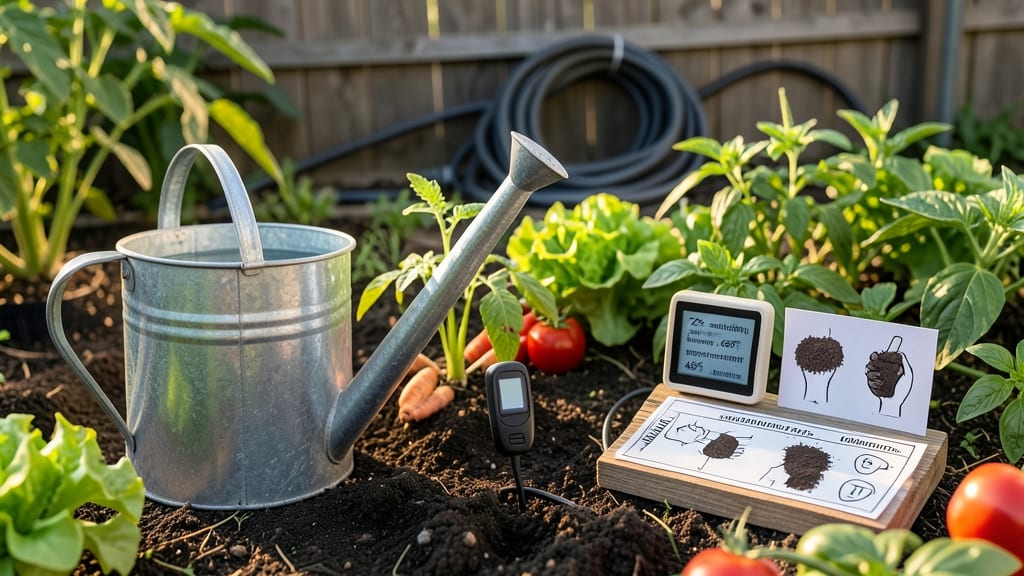
Watering your vegetable garden every day isn’t always the best move—it depends on soil, weather, and the plants themselves. Overwatering your vegetable garden is one of the fastest ways to kill your plants—yet many…
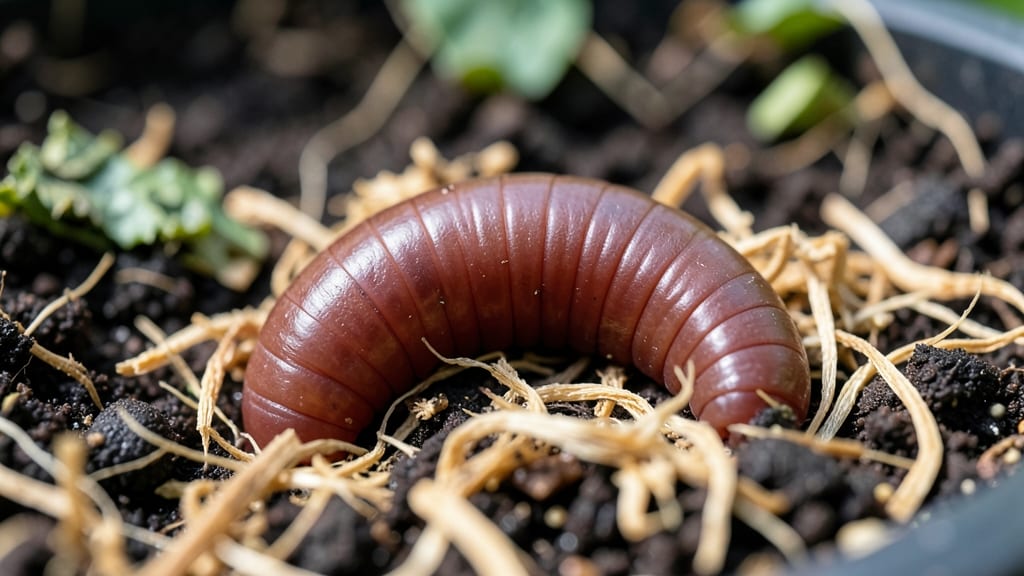
💥 Quick Answer Putting worms in your raised garden bed is a smart move for healthier soil and stronger plants, as they aerate the soil, break down organic matter, and release natural nutrients—but choose the right…
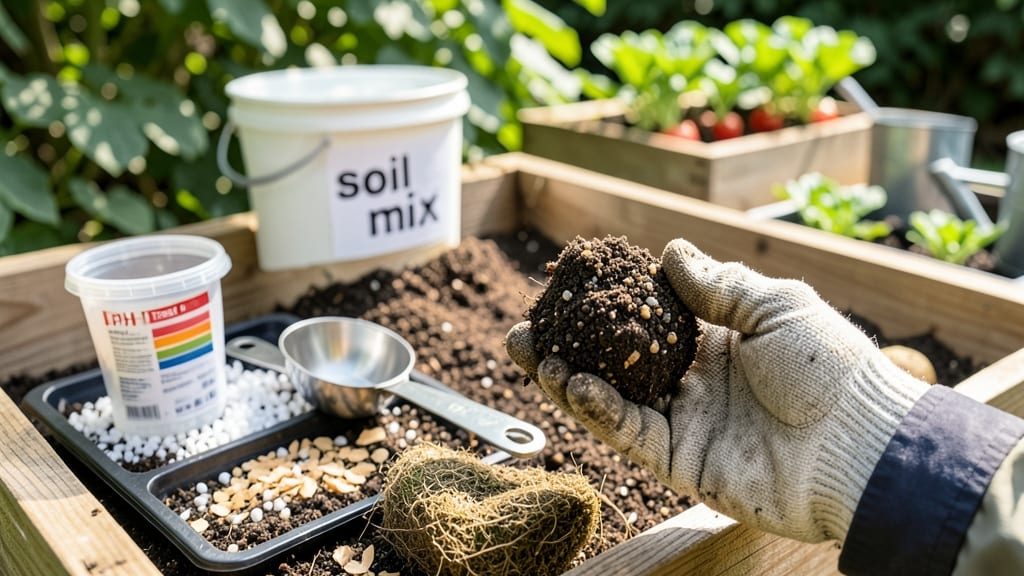
💥 Quick Answer A soil mixture for vegetable gardens should combine topsoil, compost, and coarse sand or perlite in a 60-30-10 ratio for optimal drainage, aeration, and nutrient retention. Adjust based on your climate…
💥 Quick Answer Understanding spring garden weather means knowing your planting zone's frost-free dates range from early March in Zone 10 to late May in Zone 3. Use local frost averages and hardiness maps to time…
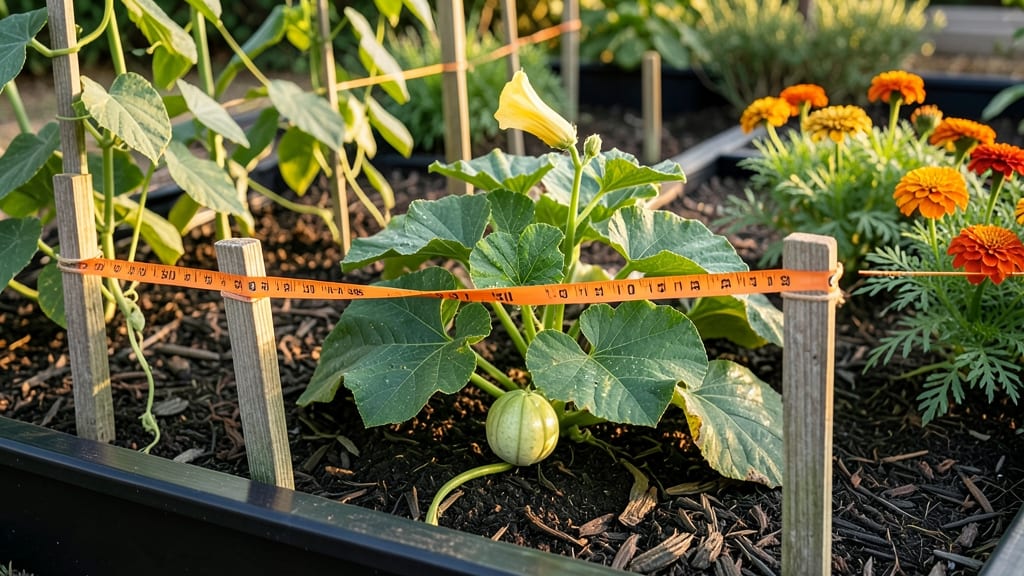
Spacing your squash in the garden properly is the difference between a bountiful harvest and a tangled mess of underperforming plants 🎃. Picture this: you’ve just planted your squash seeds in April , excited for…
Gardening steps turn empty space into a thriving garden—whether you’re working with a tiny balcony or a sprawling backyard. Picture this: You’ve cleared the soil, chosen your plants, and planted with confidence—only to…
💥 Quick Answer Strolling the gardens for seasonal vegetable picking means timing your visits to harvest ripe produce at peak flavor, identifying edible plants by leaf shape and growth stage, and following garden…
💥 Quick Answer Sunset garden zones help you match plants to Western North America's unique microclimates, where coastal fog, desert heat, and mountain elevations create growing conditions that standard USDA hardiness…
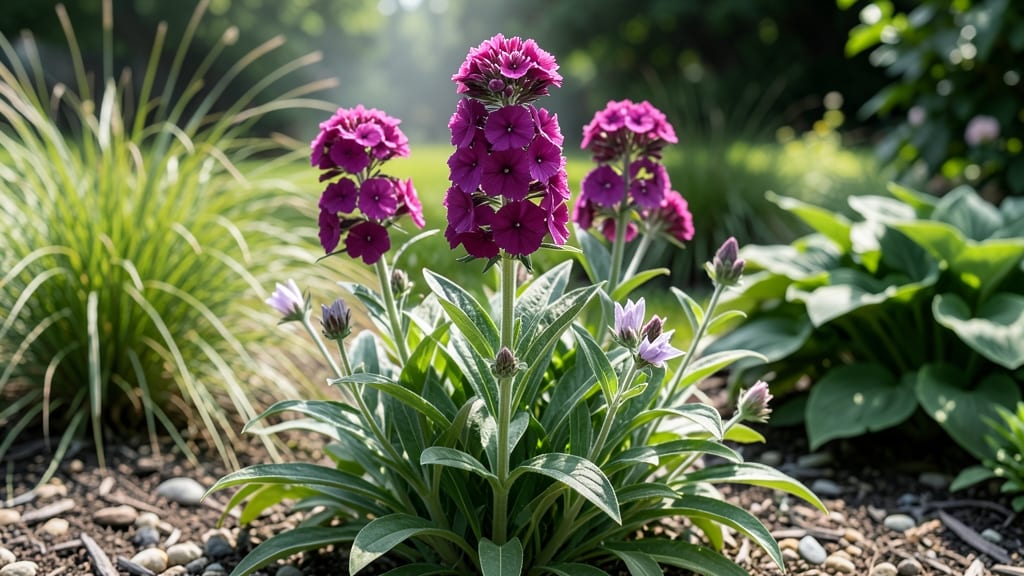
Growing the tallest garden phlox 🌸 can transform your garden into a vertical floral masterpiece, with varieties reaching 5 feet or more. If you dream of towering floral displays that turn heads in your garden, the…
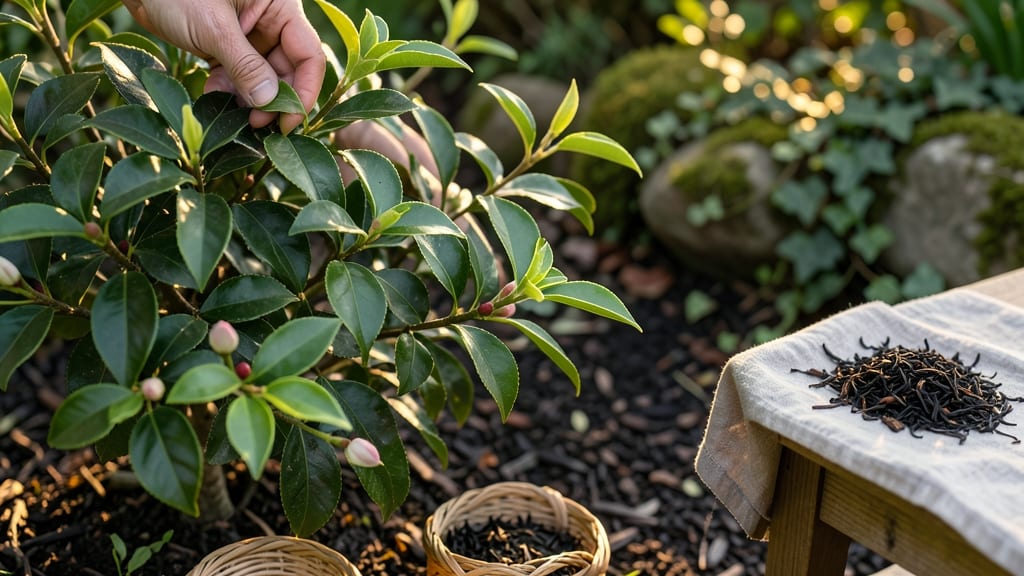
💥 Quick Answer Using tea leaves in the garden enriches soil with nitrogen, improves moisture retention, and deters pests naturally, but they must be composted or brewed first to avoid mold or fungal risks. Spread…