I’ve always had a green thumb—whether it was sneaking seeds from my grandma’s garden as a kid or turning a cracked windowsill into a thriving herb patch in my first apartment. There’s something about watching plants grow that feels like magic, and I want to share that joy with anyone willing to get their hands dirty. This site is where I pass along the tricks, failures, and small victories I’ve learned over the years, so you can grow with confidence (and maybe a few less dead plants along the way).
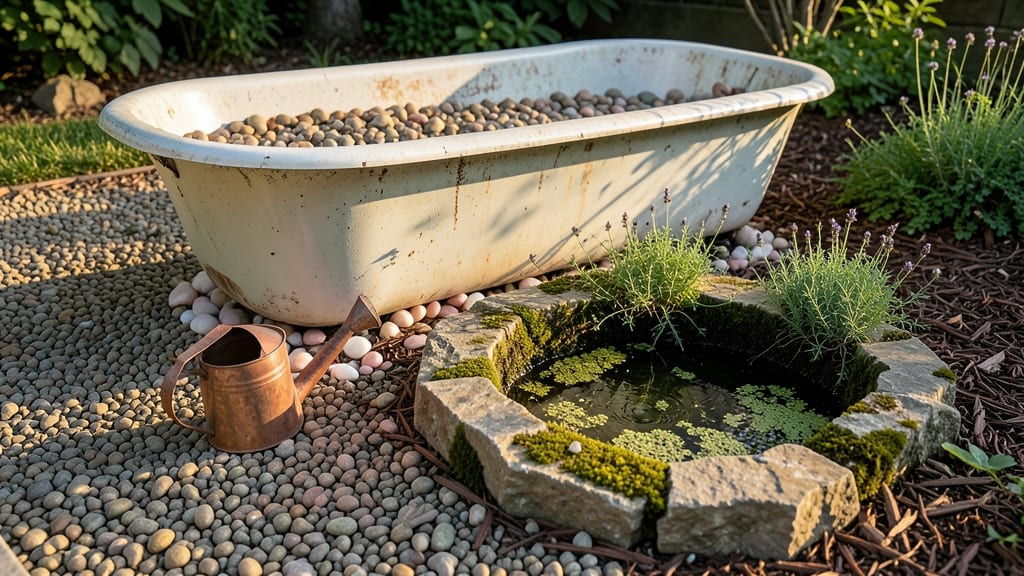
💥 Quick Answer A garden bathtub is a repurposed bathtub transformed into a portable planter for growing herbs, vegetables, or flowers in tight spaces, offering both mobility and optimized water management. A garden…
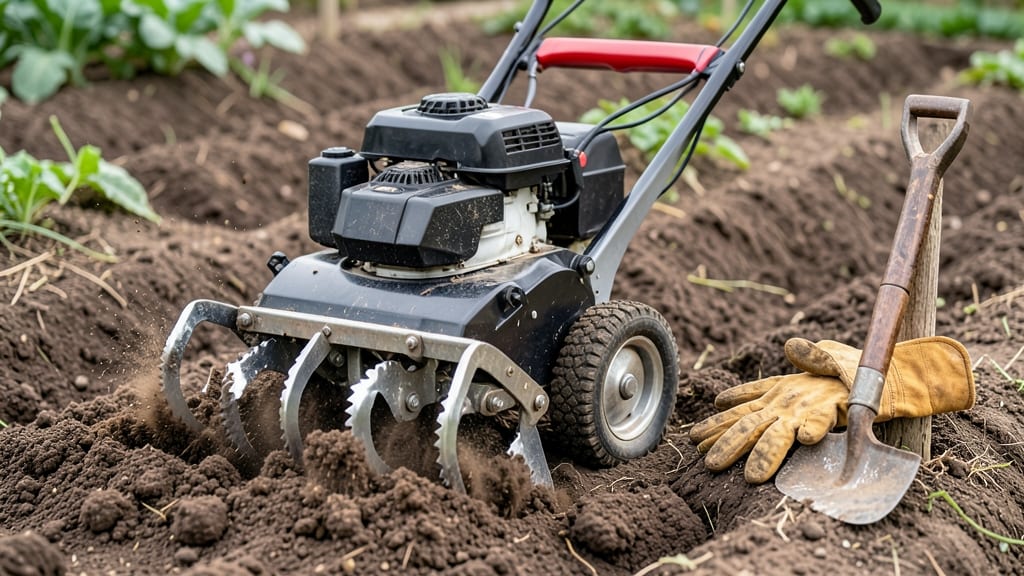
💥 Quick Answer A garden cultivator is used for breaking up soil, aerating garden beds, and preparing planting areas while minimizing compaction. It efficiently loosens dirt, removes weeds, and blends organic matter for…
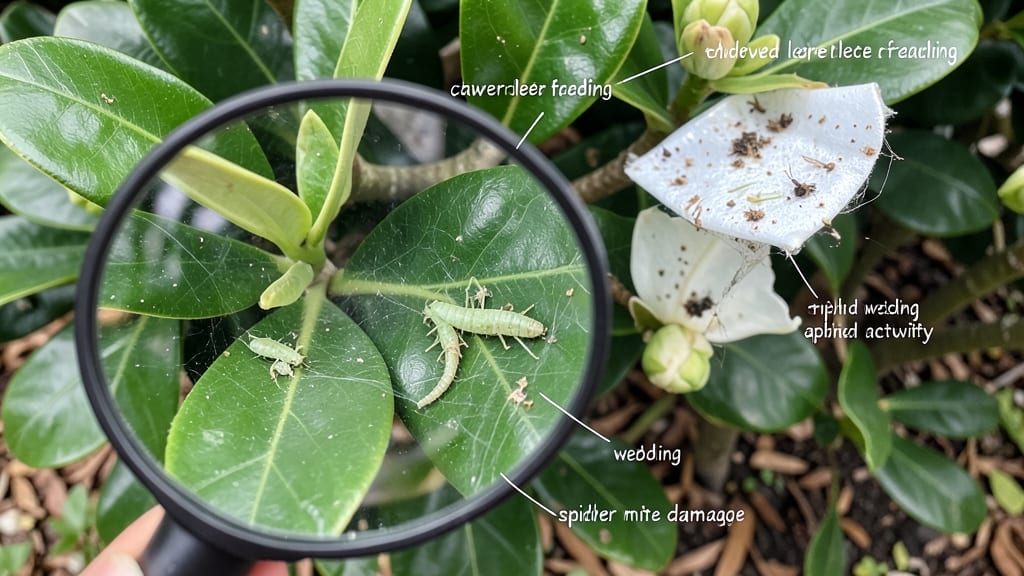
💥 Quick Answer If your gardenia leaves are being eaten, the culprits are likely caterpillars, spider mites, aphids, slugs, or scale insects—each leaving telltale signs like jagged edges, fine webbing, sticky sap, or…
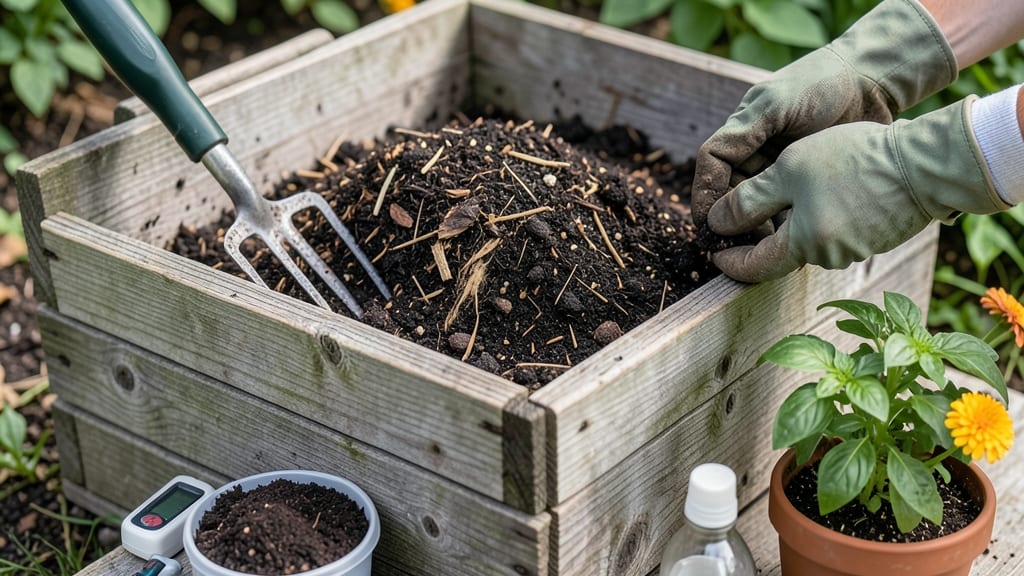
💥 Quick Answer Garden compost is decomposed organic matter from plant sources like grass clippings, fruit peels, and leaves, transforming into a dark, crumbly soil enhancer that boosts plant health while preventing…
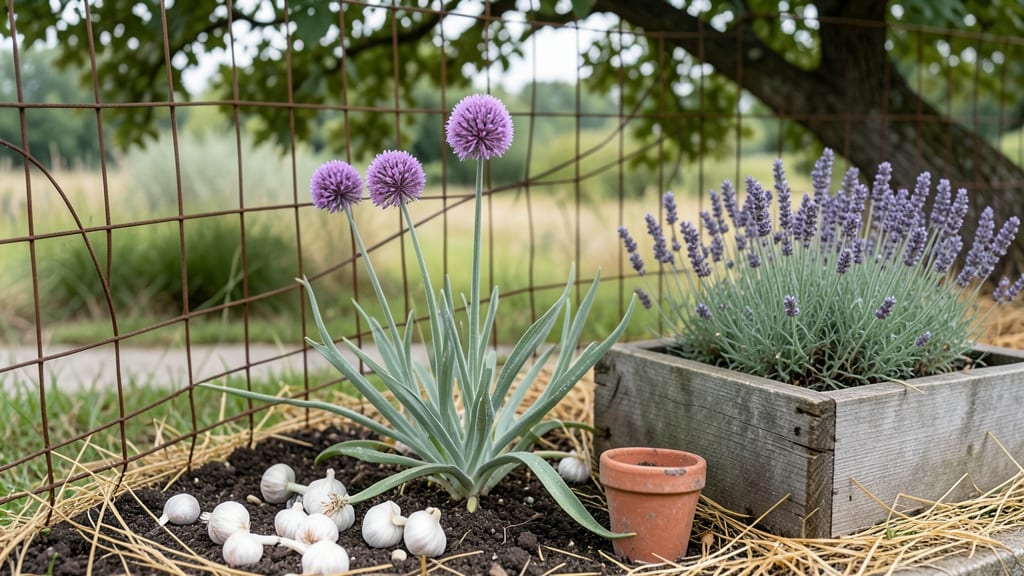
💥 Quick Answer What keeps bunnies away from gardens is a combination of strong-smelling natural repellents—like crushed garlic, peppermint oil, or cayenne pepper—and sturdy physical barriers such as buried chicken wire…
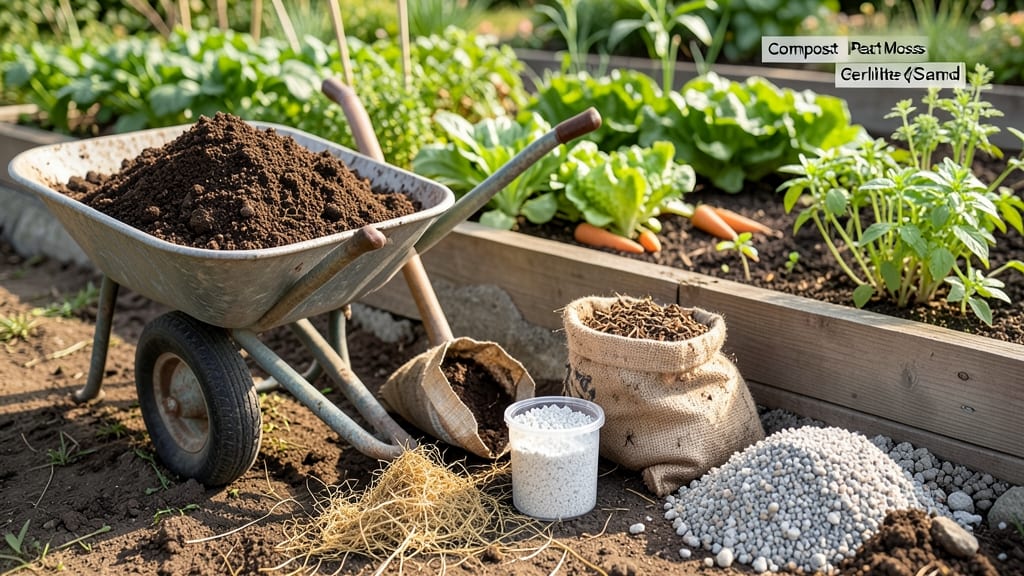
💥 Quick Answer To improve clay garden soil, add organic matter like compost, coarse sand, or perlite to break up compaction, boost drainage, and create space for roots to spread while holding moisture for plant health…
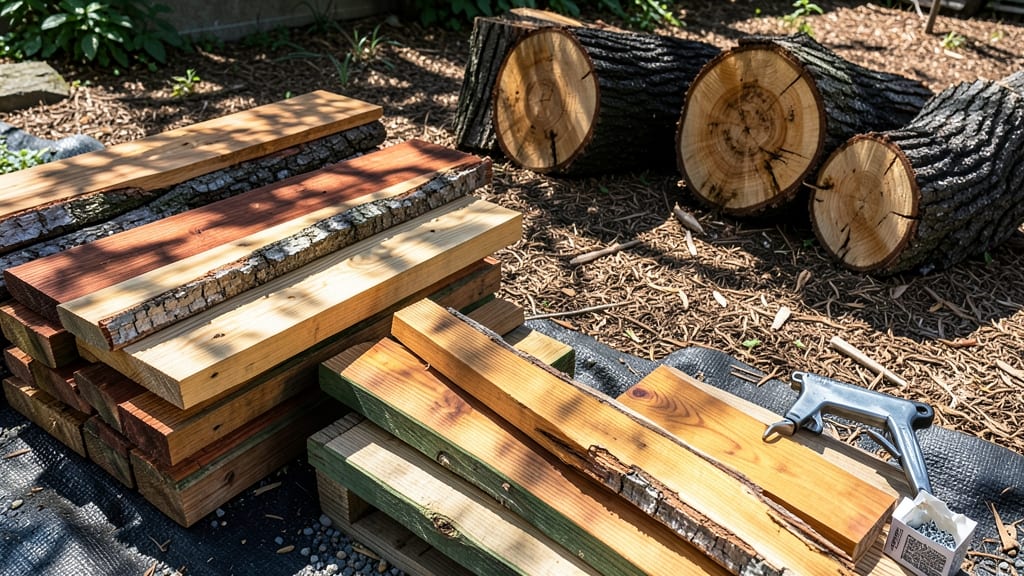
What wood to use for your garden bed is the key to a long-lasting, healthy growing space—or a frustrating, short-lived failure. Picture this: you’ve just built the perfect raised bed, only to watch it splinter and rot…
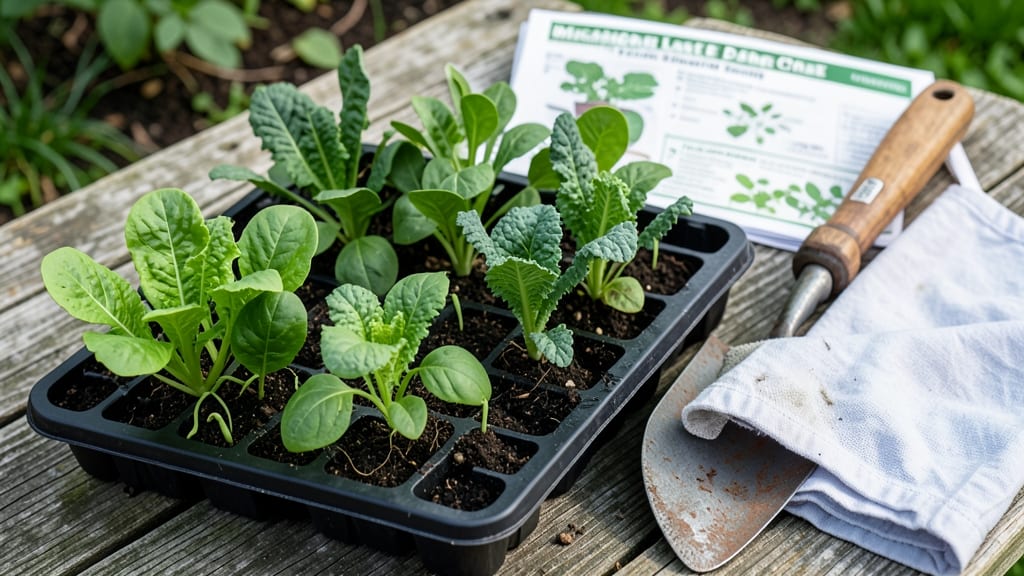
You can plant your garden in Michigan as early as March for cold-hardy crops, but timing depends on your zone and last frost date. Michigan gardeners know timing is everything—plant too early and risk frost damage, too…
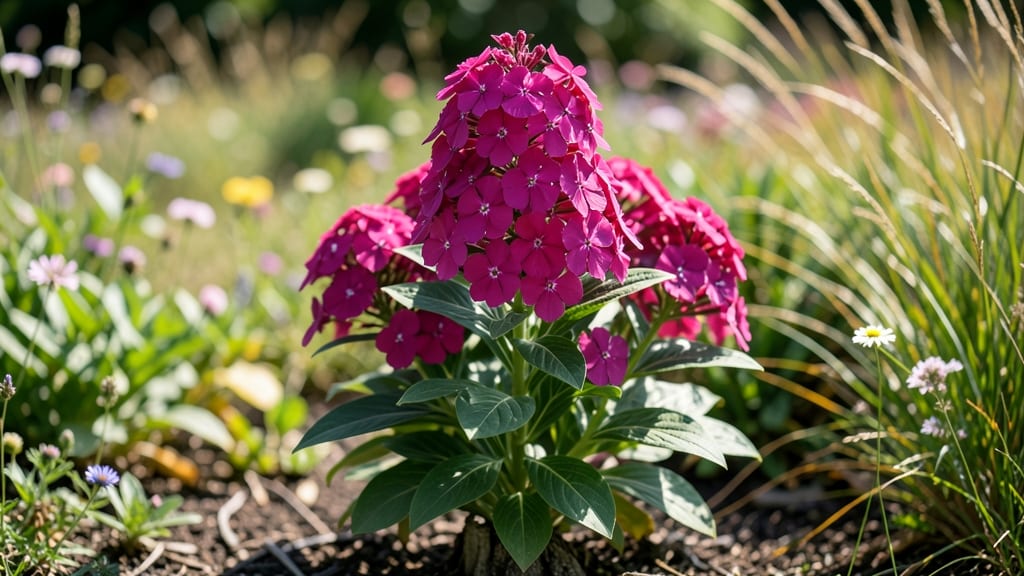
Garden phlox blooms in mid-to-late summer 🌸, transforming your yard into a fragrant, pollinator-friendly paradise when timed just right. If you’re dreaming of a vibrant summer garden filled with fragrant…
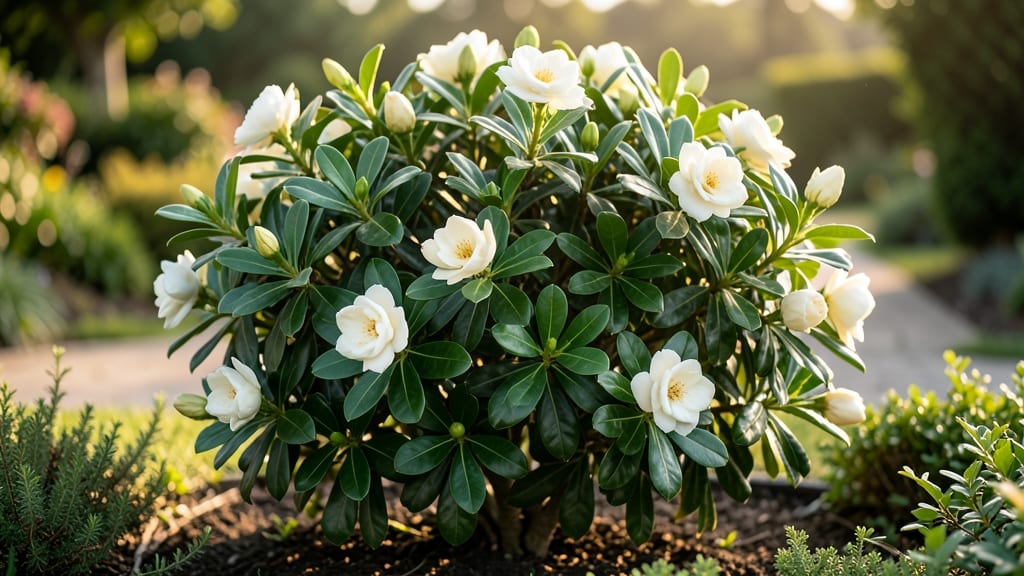
Gardenia bushes bloom in late spring to summer, with timing that shifts dramatically depending on your climate zone and the specific variety 🌸 you’re growing. If you’ve ever planted a gardenia bush hoping for fragrant…