I’ve always had a green thumb—whether it was sneaking seeds from my grandma’s garden as a kid or turning a cracked windowsill into a thriving herb patch in my first apartment. There’s something about watching plants grow that feels like magic, and I want to share that joy with anyone willing to get their hands dirty. This site is where I pass along the tricks, failures, and small victories I’ve learned over the years, so you can grow with confidence (and maybe a few less dead plants along the way).
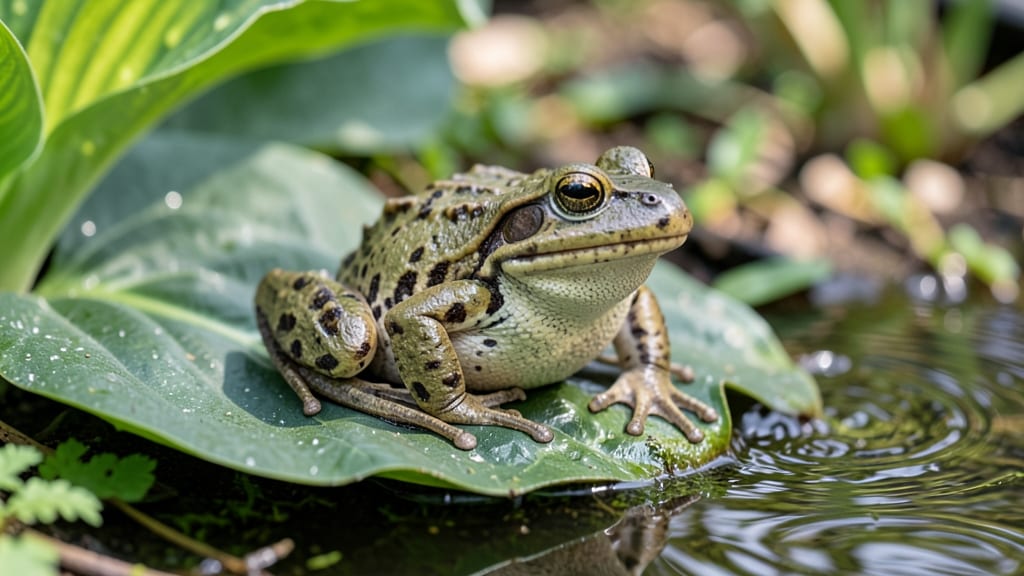
💥 Quick Answer Frogs in Grow a Garden play a vital role by aerating soil through natural digging, breaking up compacted earth, and controlling pests like slugs and aphids by eating them. They also enhance garden…
💥 Quick Answer In Grow a Garden , Kodama function as mobile plant allies that enhance growth by absorbing nutrients from the soil and redistributing them to nearby crops, speeding up maturation and boosting harvest…
💥 Quick Answer In Grow a Garden , the tiger acts as a powerful symbol and natural pest deterrent, using its presence to scare away rodents and insects while inspiring gardeners to cultivate bold, vibrant plant…
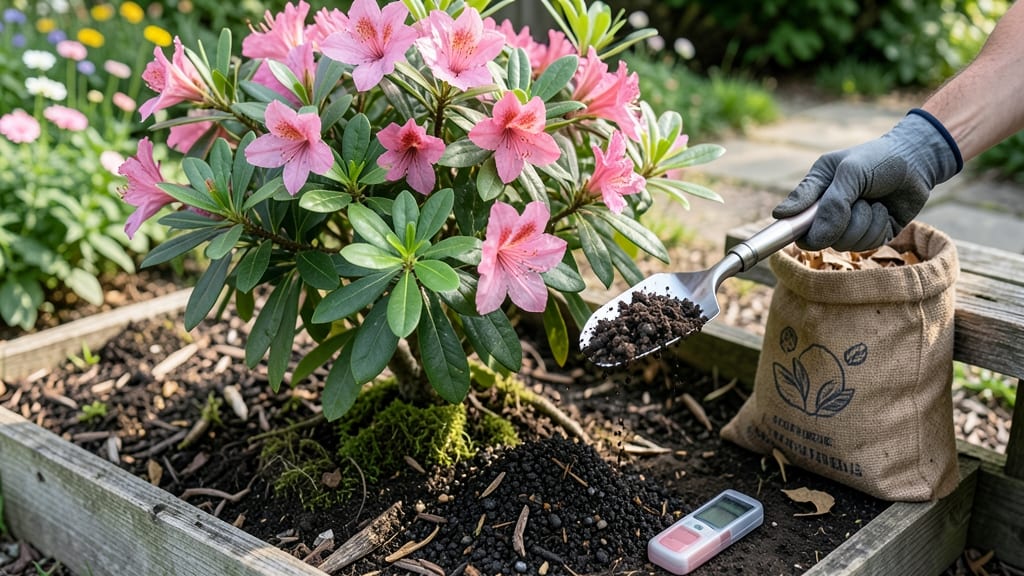
💥 Quick Answer Garden plants that benefit from coffee grounds include acid-loving species like azaleas, blueberries, hydrangeas, and rhododendrons, as well as nitrogen-hungry crops such as tomatoes, peppers, and roses…
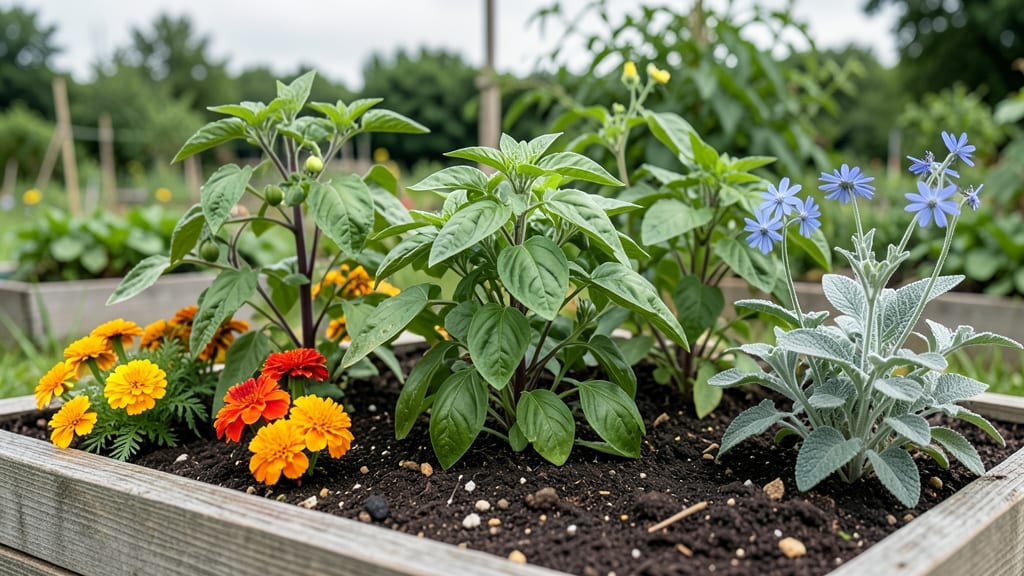
💥 Quick Answer Garden plants that grow well together include basil with tomatoes to repel pests, marigolds alongside vegetables to deter insects, and onions near carrots to improve flavor and growth. Strategic pairings…
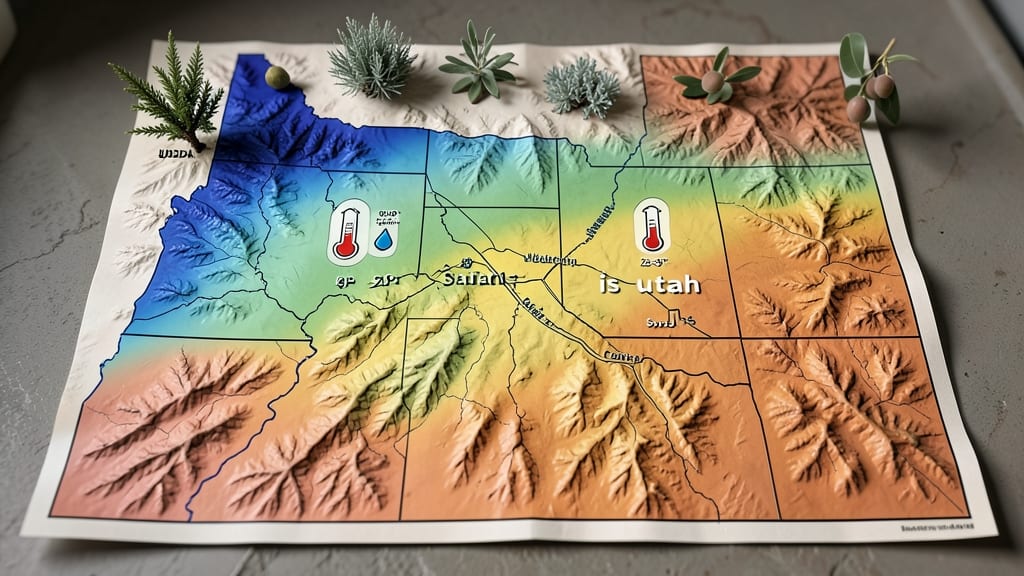
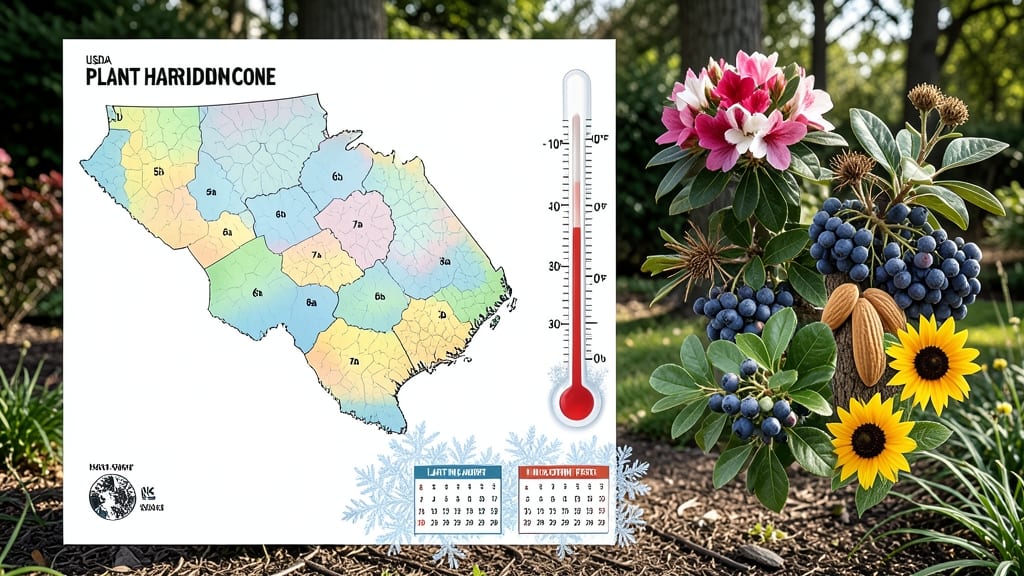
💥 Quick Answer Utah's garden zones range from USDA Zone 3 in the northern mountains to Zone 8 in southern desert areas, with most of the state falling between Zones 5 and 7. Cache Valley's Zone 5 contrasts sharply with…
💥 Quick Answer Alabama's gardening zones span USDA Hardiness Zones 6b through 8b, with most areas falling between Zones 7a and 8a depending on elevation and regional microclimates like coastal plains or mountain…
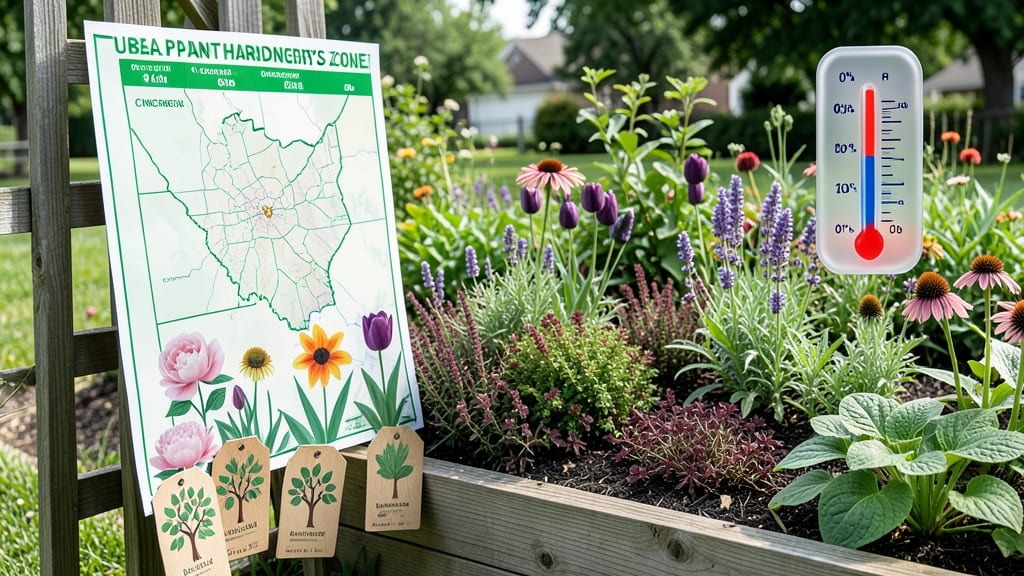
If you're wondering, what gardening zone is Cincinnati, Ohio? —you’re in 6a-6b , which means you’ve got a short growing season but enough warmth to grow almost anything—if you time it right. Picture this: You’ve just…
💥 Quick Answer What gardening zone is Cleveland, Ohio located in? It falls within USDA Hardiness Zones 5b and 6a , with winter lows typically ranging from -10°F to -5°F (-23°C to -21°C). These zones help gardeners…
💥 Quick Answer North Carolina's gardening zones range from 5 through 9, with most areas falling between 7a and 8b. Coastal regions typically fall into 8a-9a, while mountain areas drop to 5b-6b due to elevation's impact…