I’ve always had a green thumb—whether it was sneaking seeds from my grandma’s garden as a kid or turning a cracked windowsill into a thriving herb patch in my first apartment. There’s something about watching plants grow that feels like magic, and I want to share that joy with anyone willing to get their hands dirty. This site is where I pass along the tricks, failures, and small victories I’ve learned over the years, so you can grow with confidence (and maybe a few less dead plants along the way).
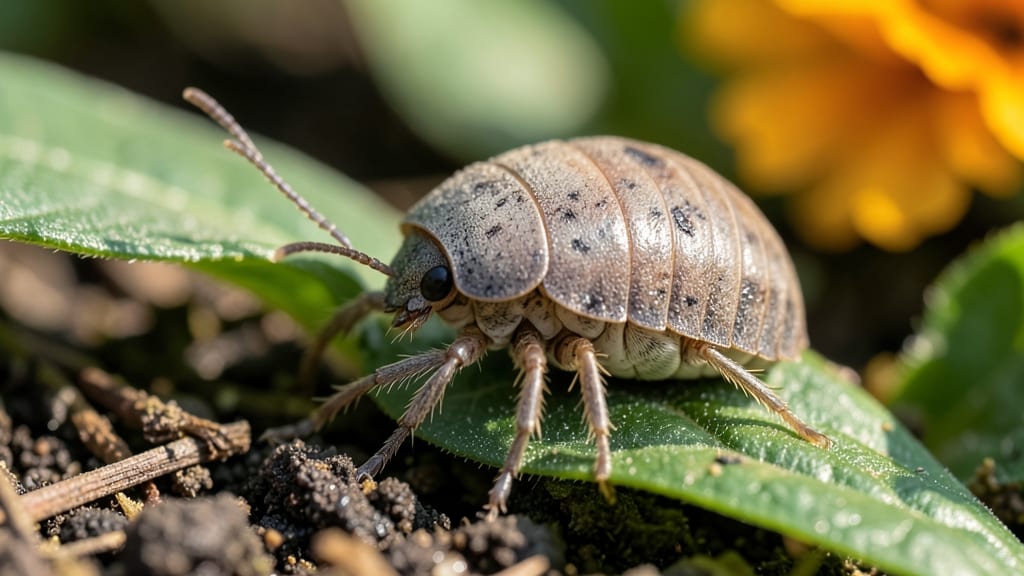
💥 Quick Answer Pill bugs aren't bad for gardens—they decompose organic matter, improve soil aeration, and enhance nutrient availability, which supports healthy plant growth when their populations remain balanced. These…
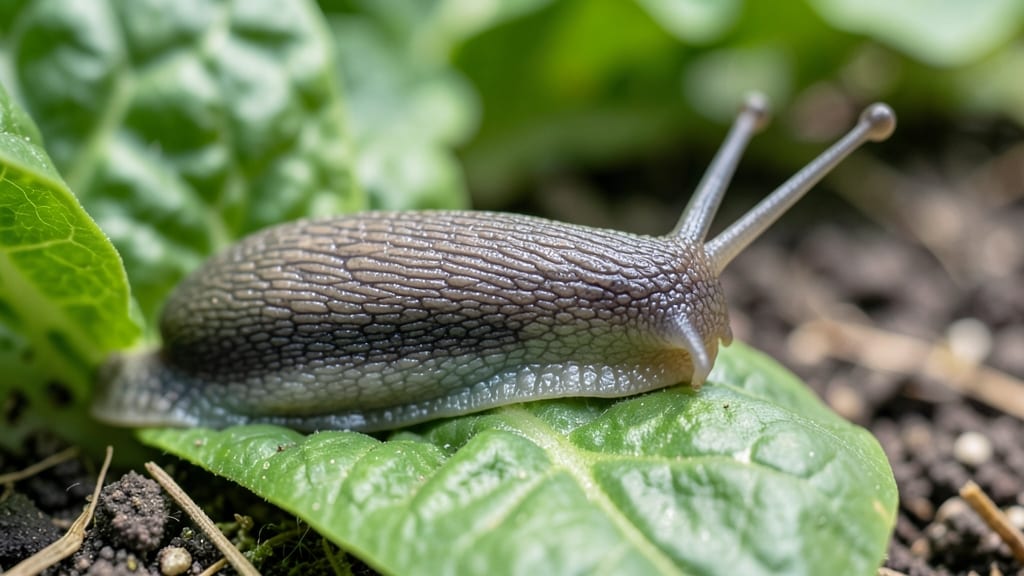
💥 Quick Answer Slugs are extremely bad for gardens since they chew through leaves, stems, and tender seedlings, creating jagged edges that leave plants vulnerable to disease. Their nighttime feeding patterns and…
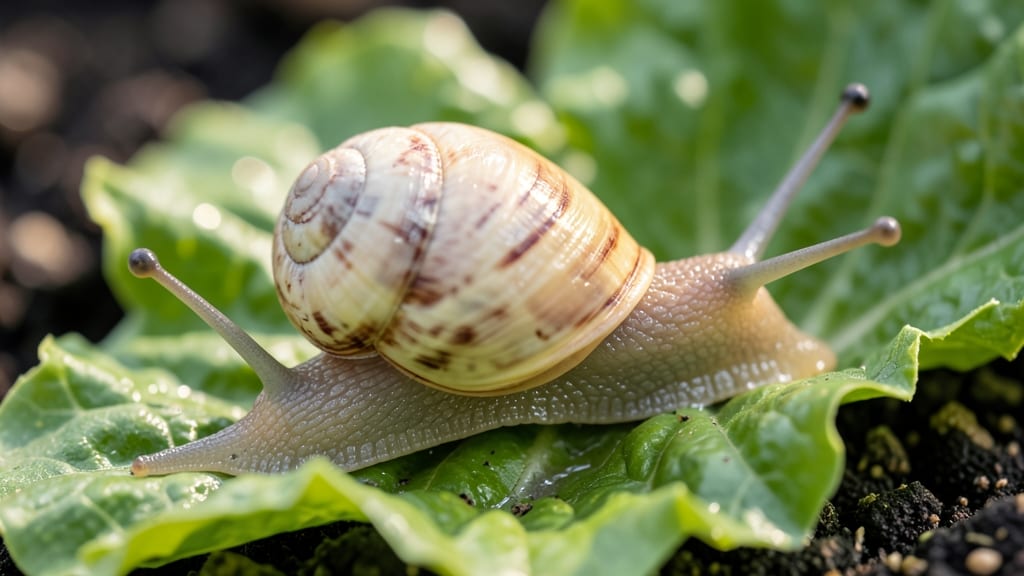
💥 Quick Answer Are snails bad for your garden? They're not always—these slimy creatures help break down organic debris and overripe fruit, but they'll happily munch on tender seedlings, lettuce leaves, and hostas. Their…
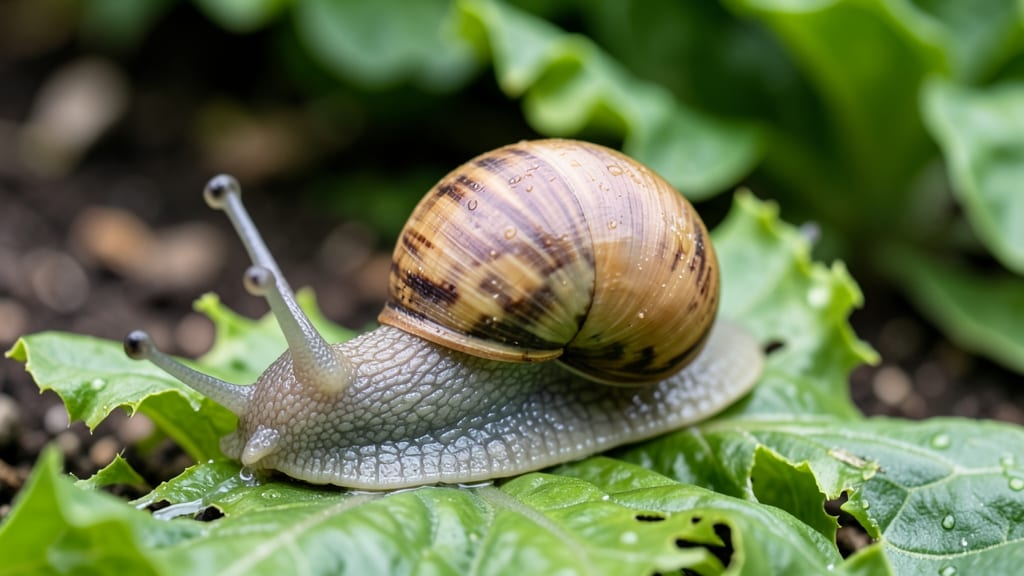
💥 Quick Answer Snails are beneficial to gardens by aerating soil, breaking down organic matter, and acting as natural pest controllers for aphids and other soft-bodied insects, though they can also damage young plants…
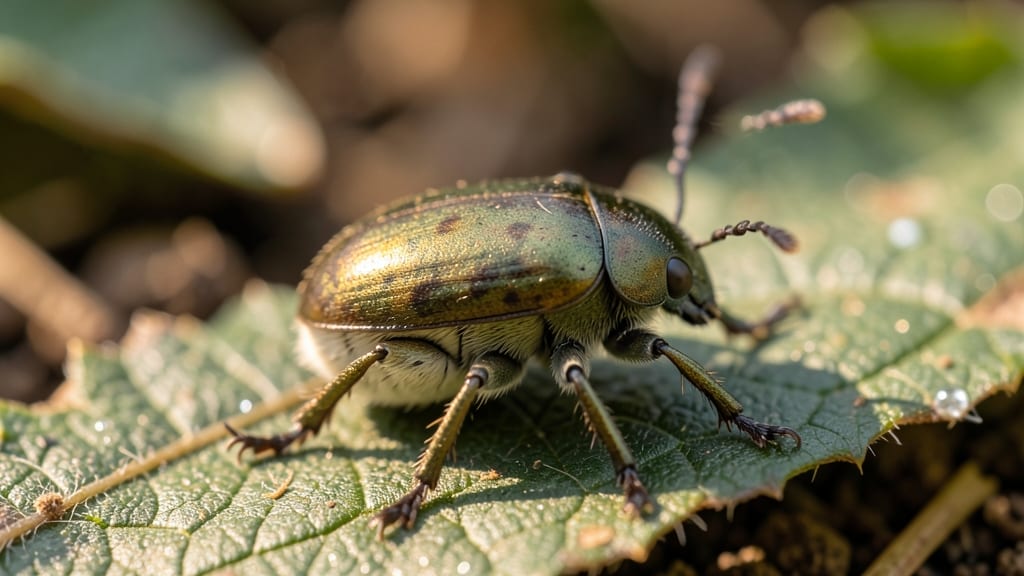
The Asiatic garden beetle is a voracious pest that can turn your garden’s hard work into a buffet of chewed leaves and wilting plants. If your garden’s lush foliage is suddenly riddled with jagged, crescent-shaped…
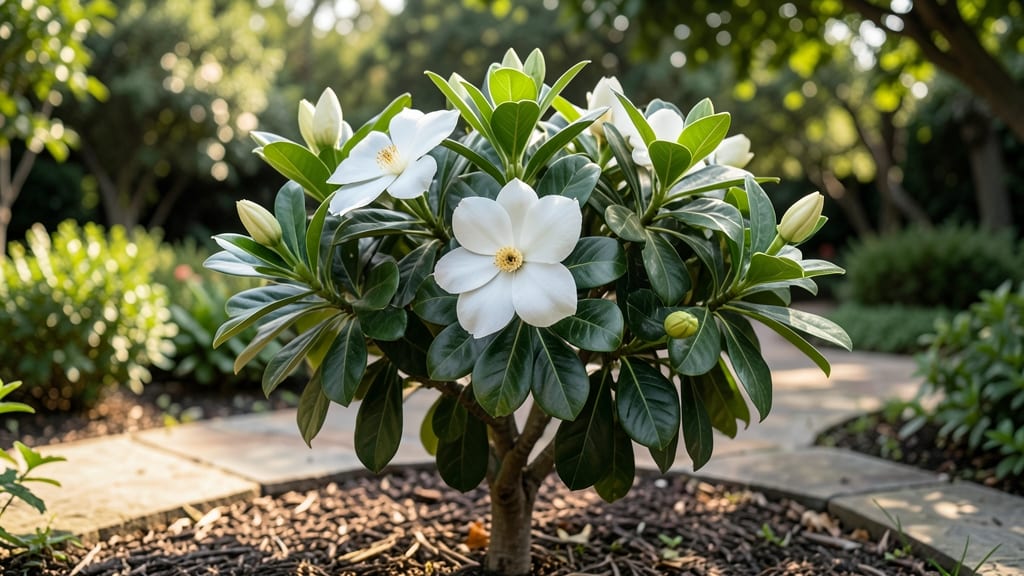
The August Beauty Gardenia boasts a growth rate of 12–18 inches per year 🌸, transforming from a compact bush into a fragrant, flowering powerhouse—but only if you match its pace with the right care. Picture this: You…
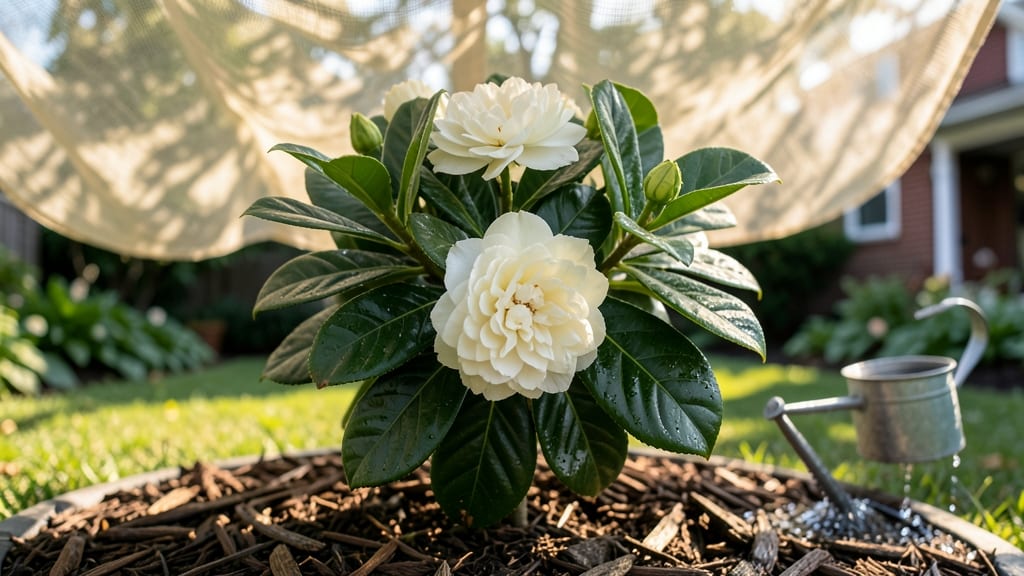
To keep your August Beauty Gardenia 🌸 thriving with vibrant blooms, balance its sun requirements carefully—this variety craves bright, indirect light but can’t handle harsh afternoon rays. Struggling to keep your August…
💥 Quick Answer The myth about planting banana peels in the garden to boost growth isn't backed by science—while they contain potassium, the amounts are too small to meaningfully fertilize soil. Their best use is…
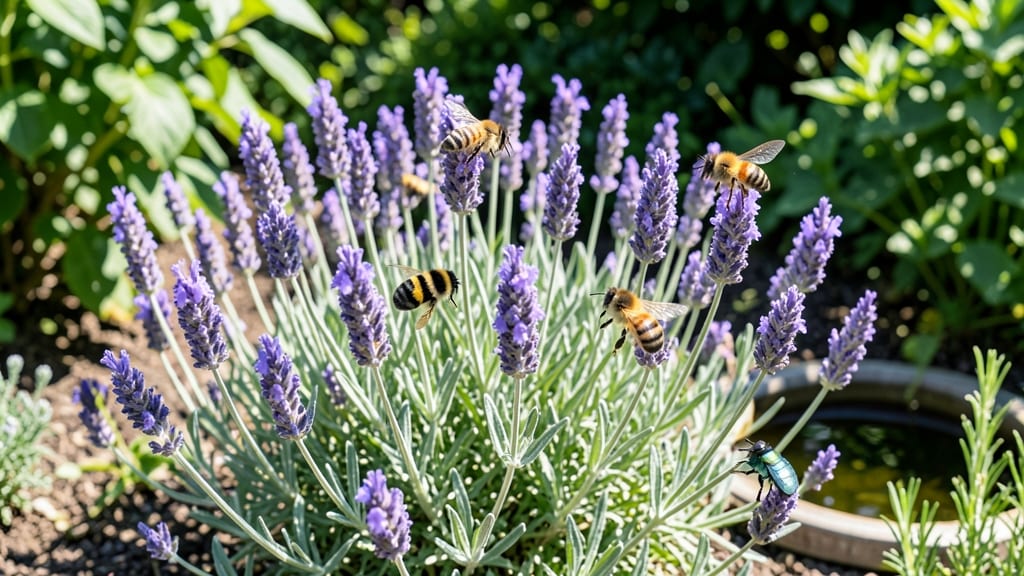
💥 Quick Answer Bees in a garden thrive when you create a welcoming environment with native flowering plants, reliable water sources, and chemical-free spaces. Planting bee magnets like clover, lavender, and sunflowers…
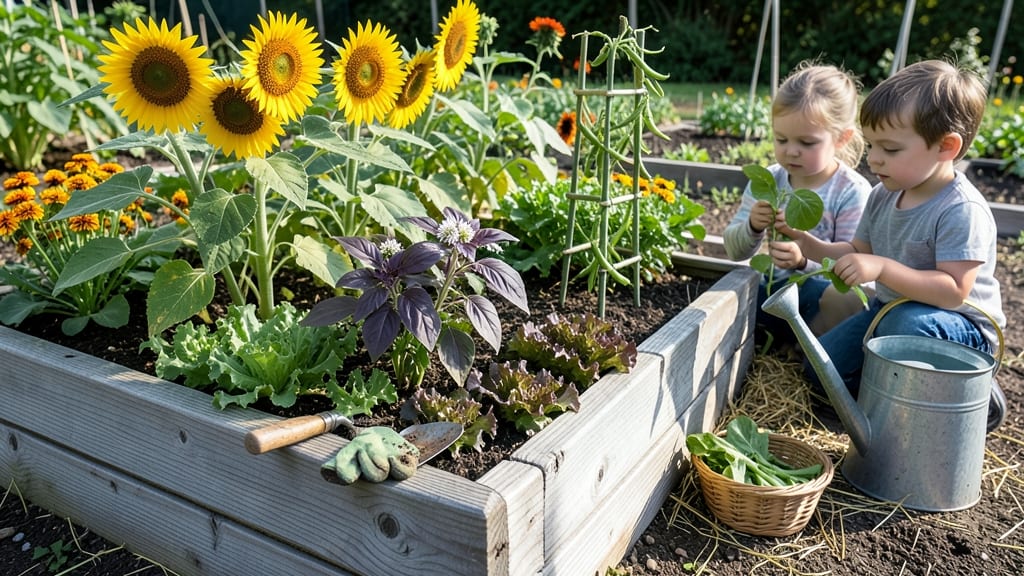
💥 Quick Answer The benefits of gardens in schools extend beyond greenery, delivering proven academic gains like higher math and science test scores while reducing student stress through hands-on learning and outdoor…