I’ve always had a green thumb—whether it was sneaking seeds from my grandma’s garden as a kid or turning a cracked windowsill into a thriving herb patch in my first apartment. There’s something about watching plants grow that feels like magic, and I want to share that joy with anyone willing to get their hands dirty. This site is where I pass along the tricks, failures, and small victories I’ve learned over the years, so you can grow with confidence (and maybe a few less dead plants along the way).
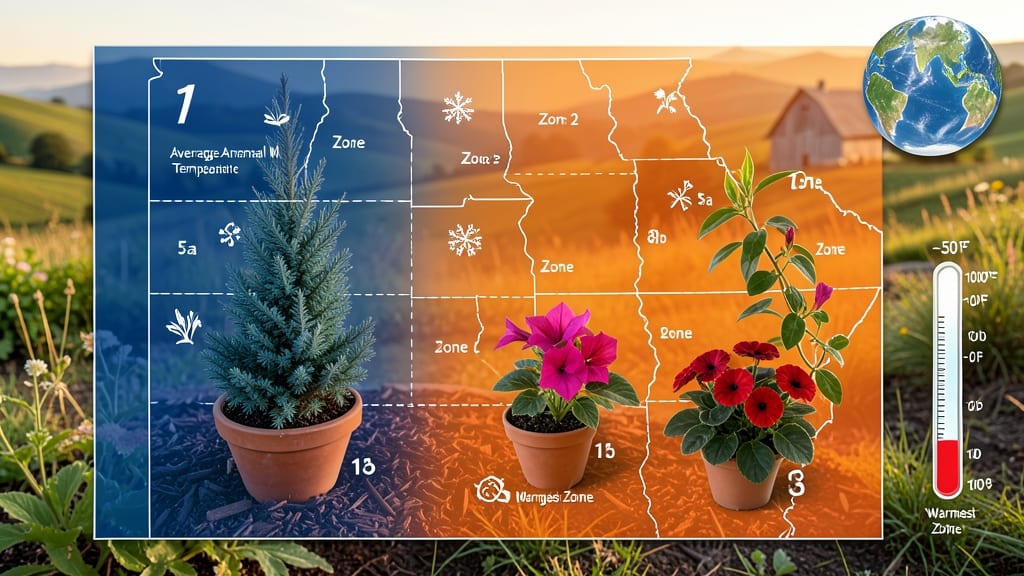
💥 Quick Answer American garden zones determine your region’s climate and frost tolerance, helping you select plants that thrive in your area’s coldest winter temperatures. Use the USDA Plant Hardiness Zone Map to…
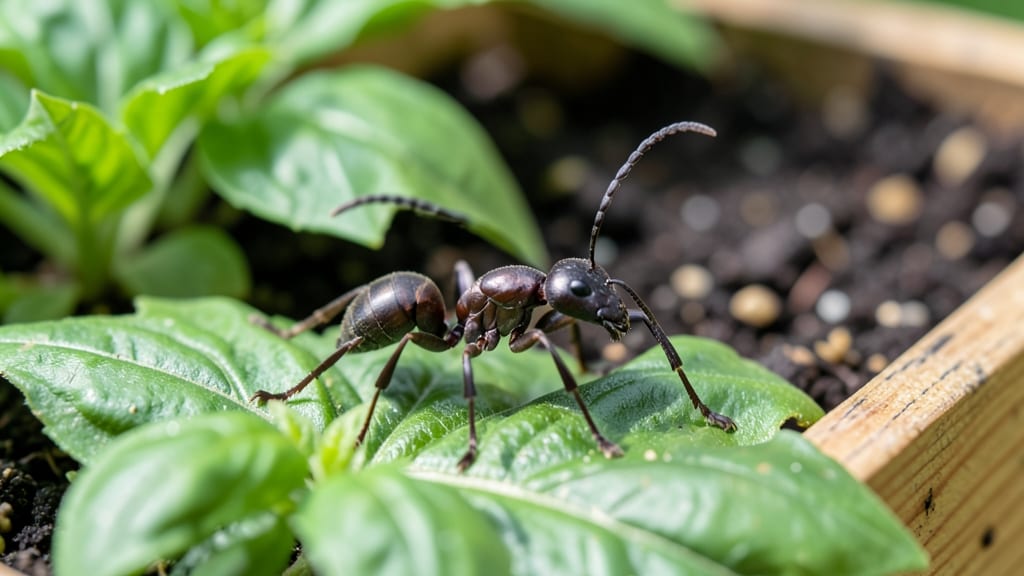
💥 Quick Answer Ants in raised garden beds often seek moisture and sugar sources, but they aerate soil and control pests like aphids. Use natural deterrents like diatomaceous earth, citrus peels, or cinnamon to repel…
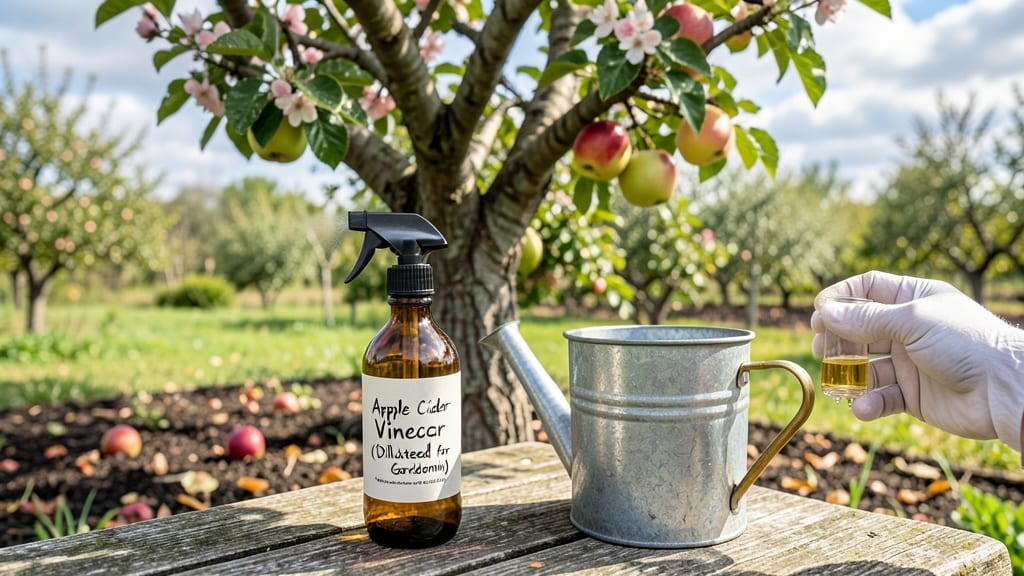
💥 Quick Answer Apple cider vinegar gardening uses diluted vinegar as a natural fertilizer, fungicide, and weed killer thanks to its acetic acid, which adjusts soil acidity and repels pests without synthetic chemicals…
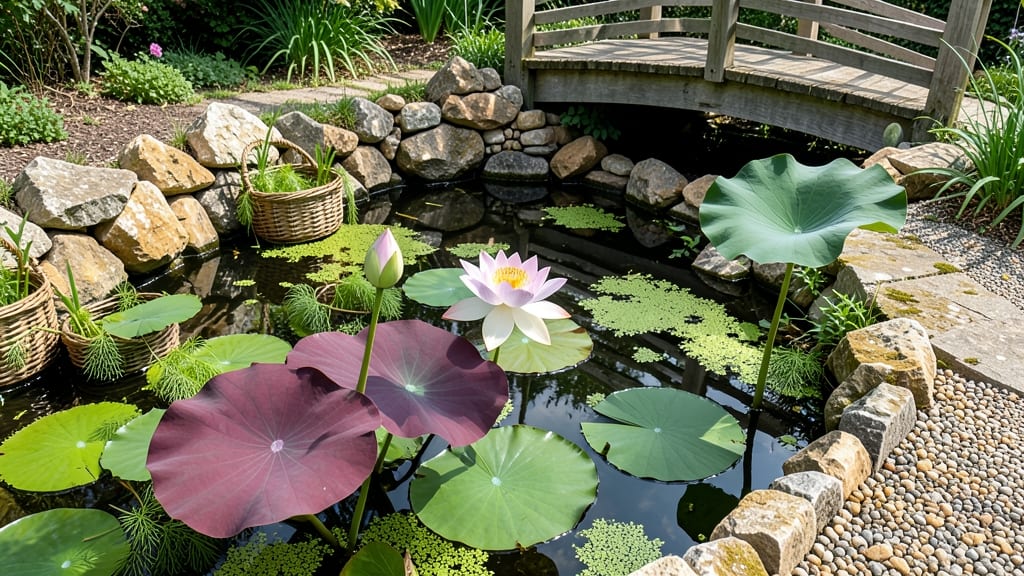
💥 Quick Answer To find aquatic gardens near you, explore nearby botanical gardens, nature preserves, or waterfront parks featuring ponds, streams, or wetlands with aquatic plant collections. Search gardening…
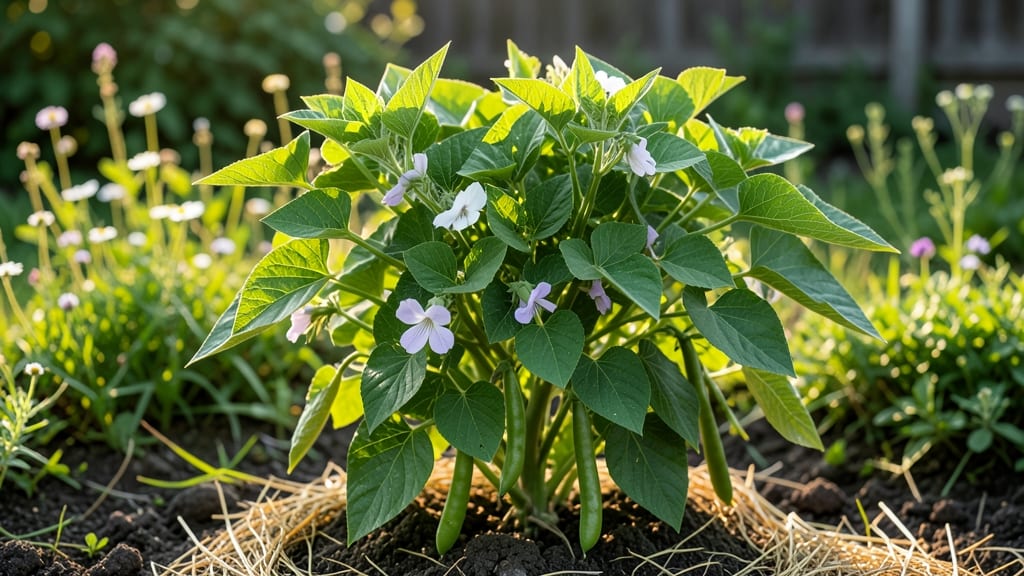
💥 Quick Answer Garden beans and green beans are the same plant—just harvested at different stages. Green beans are picked young and tender, while garden (or snap) beans mature slightly larger with firmer pods. You can…
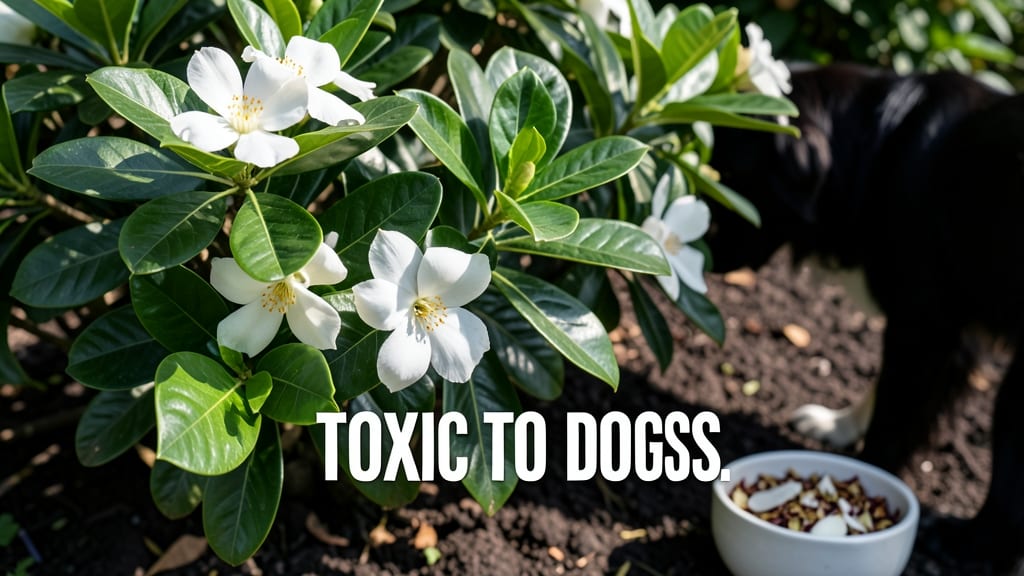
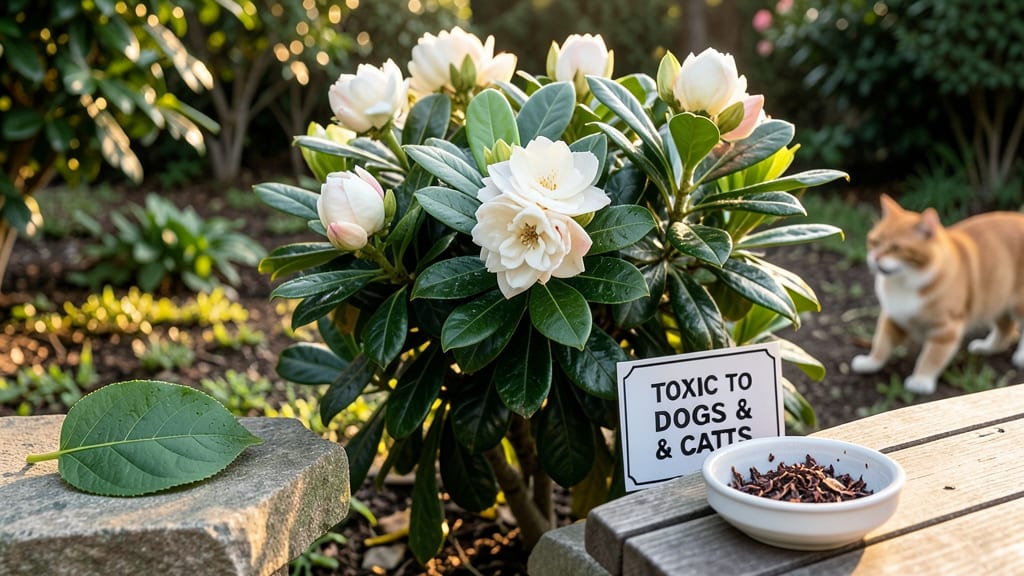
💥 Quick Answer Gardenia plants are poisonous to dogs because their leaves, flowers, and stems contain toxic saponins and other irritants that trigger vomiting, diarrhea, and excessive drooling. If your dog ingests any…
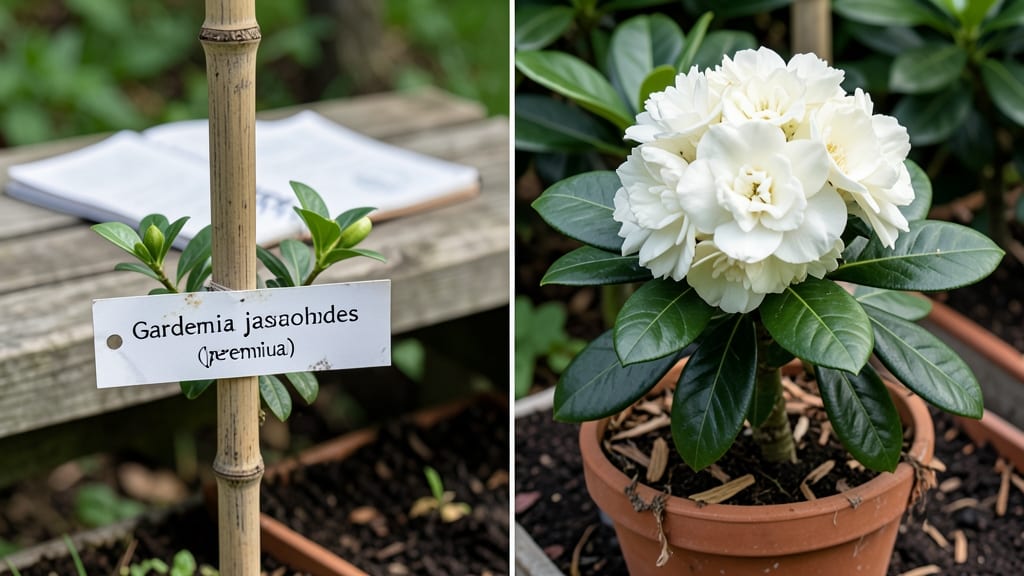
💥 Quick Answer Whether gardenias are perennials or annuals depends entirely on your climate: they thrive as perennials in frost-free zones (USDA 7-11) but die back to the ground in colder regions, forcing gardeners to…
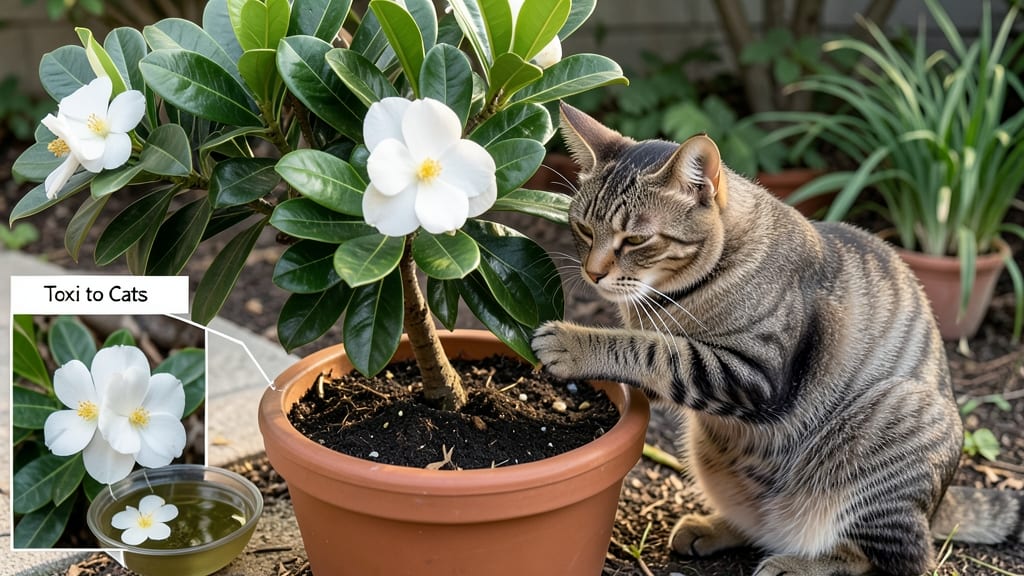
💥 Quick Answer Gardenias are poisonous to cats because they contain saponins and essential oils that trigger vomiting, drooling, and lethargy when ingested. Keep these flowers out of reach of your curious feline…
💥 Quick Answer Gardenias are poisonous to dogs and cats because their leaves, flowers, and stems contain harmful compounds like glycosides and saponins, which can trigger vomiting, diarrhea, and excessive drooling if…
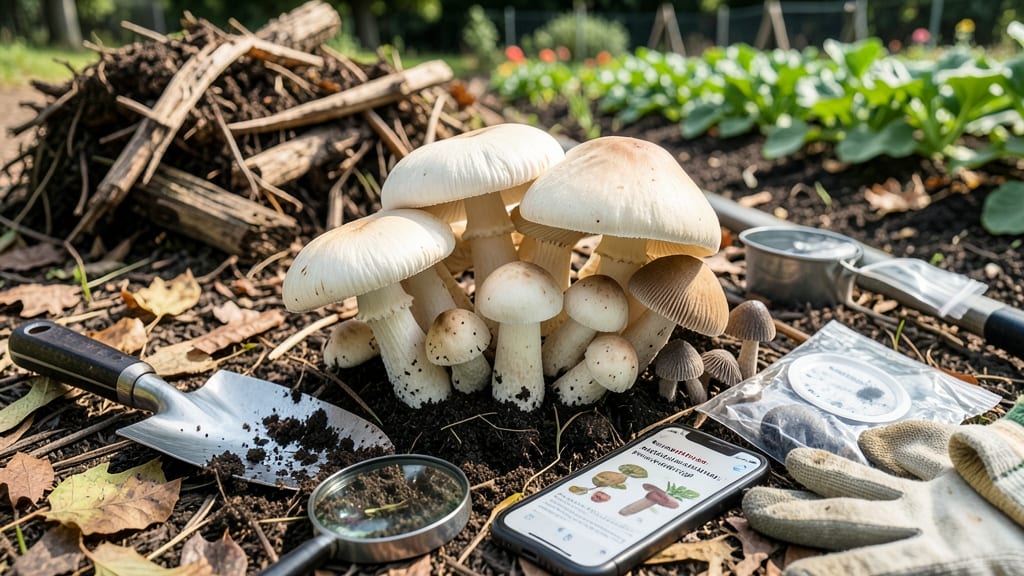
💥 Quick Answer Are mushrooms in my garden bad? They aren’t always—many are harmless or even beneficial, like mycorrhizal fungi that boost plant health, while others may signal decay or toxicity. Identify types before…