I’ve always had a green thumb—whether it was sneaking seeds from my grandma’s garden as a kid or turning a cracked windowsill into a thriving herb patch in my first apartment. There’s something about watching plants grow that feels like magic, and I want to share that joy with anyone willing to get their hands dirty. This site is where I pass along the tricks, failures, and small victories I’ve learned over the years, so you can grow with confidence (and maybe a few less dead plants along the way).
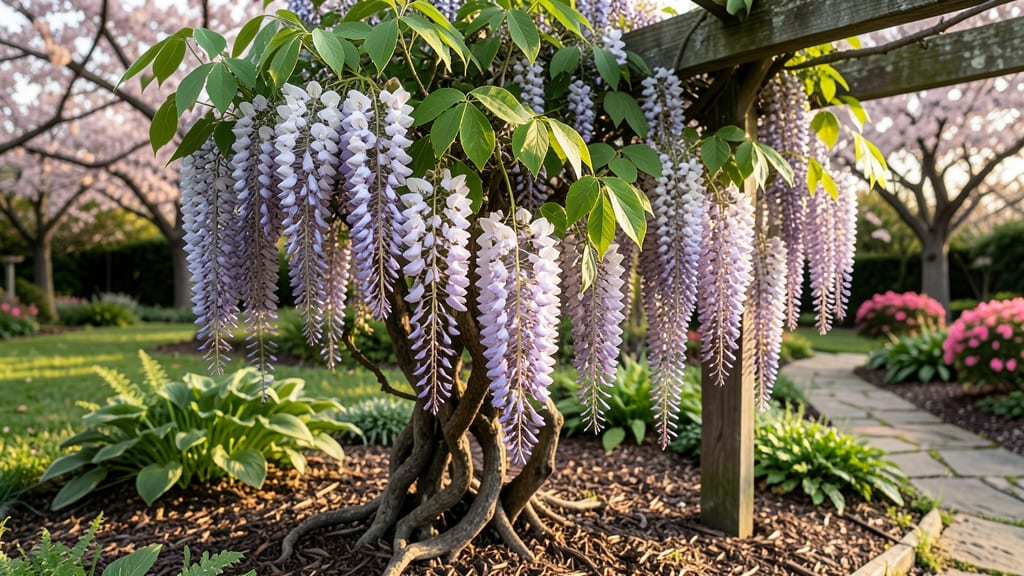
💥 Quick Answer Wisteria in Japanese gardens embodies cultural depth as a symbol of humility and endurance, often cultivated as dramatic cascading trellises or sprawling ground covers. Its intoxicating lavender blossoms…
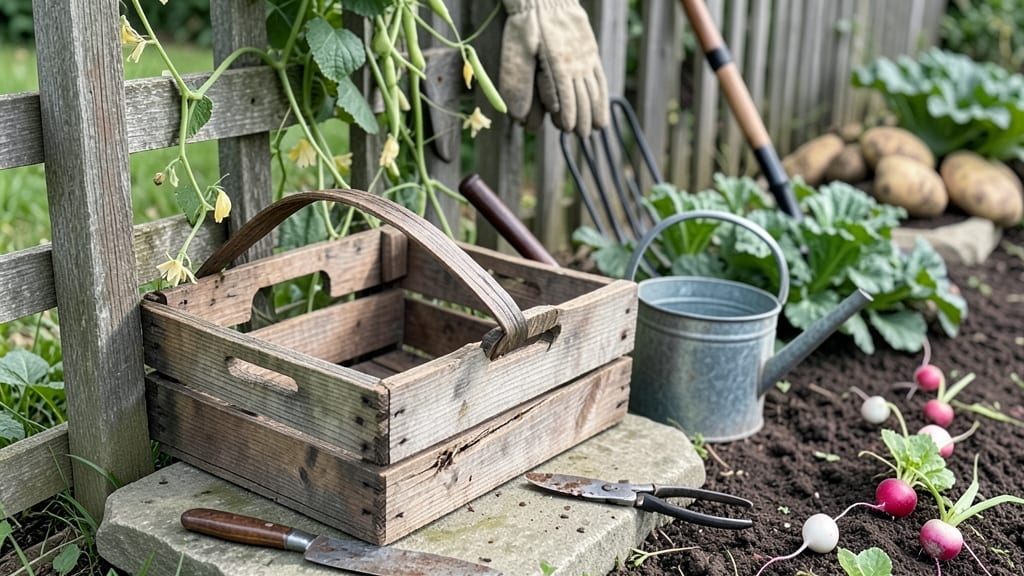
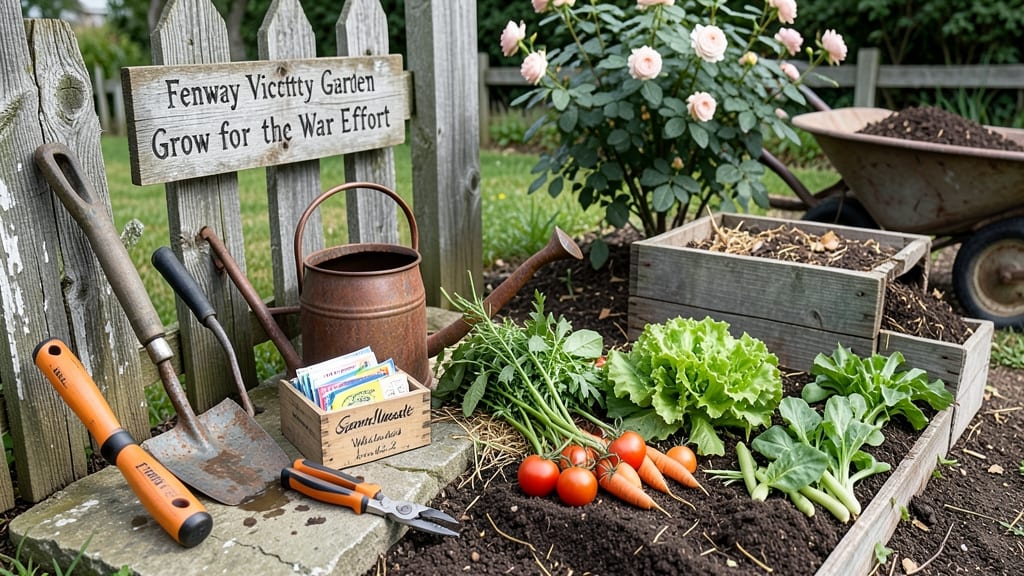
💥 Quick Answer World War One victory gardens transformed backyards and urban spaces into productive farms, growing vegetables, herbs, and fruits to combat food shortages during wartime rationing, producing millions of…
💥 Quick Answer Zone 5 gardening thrives in regions with average winter lows of -15°F to -20°F (-26°C to -29°C), where cold-hardy perennials, biennials, and strategic seasonal planning maximize yields despite short…
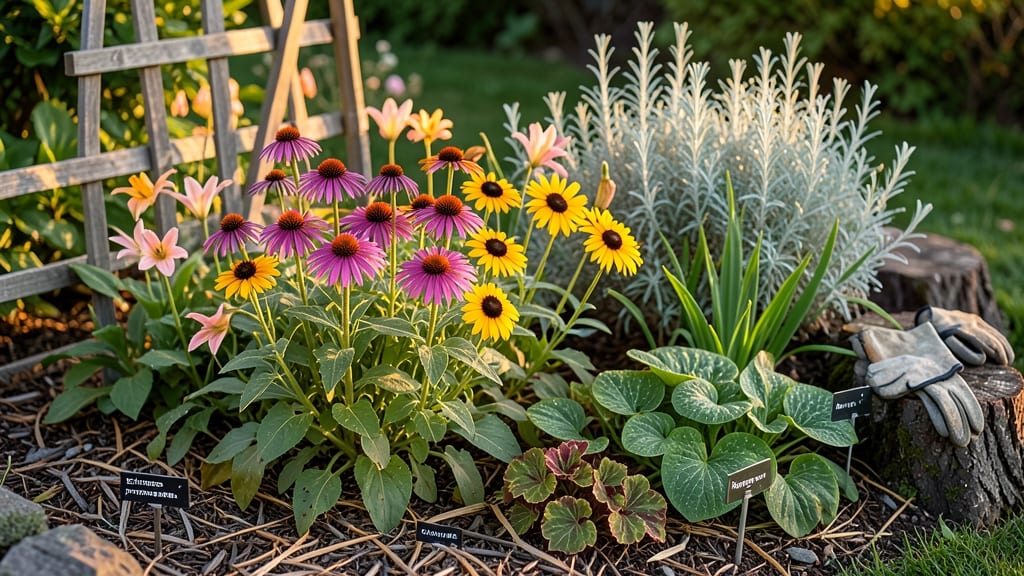
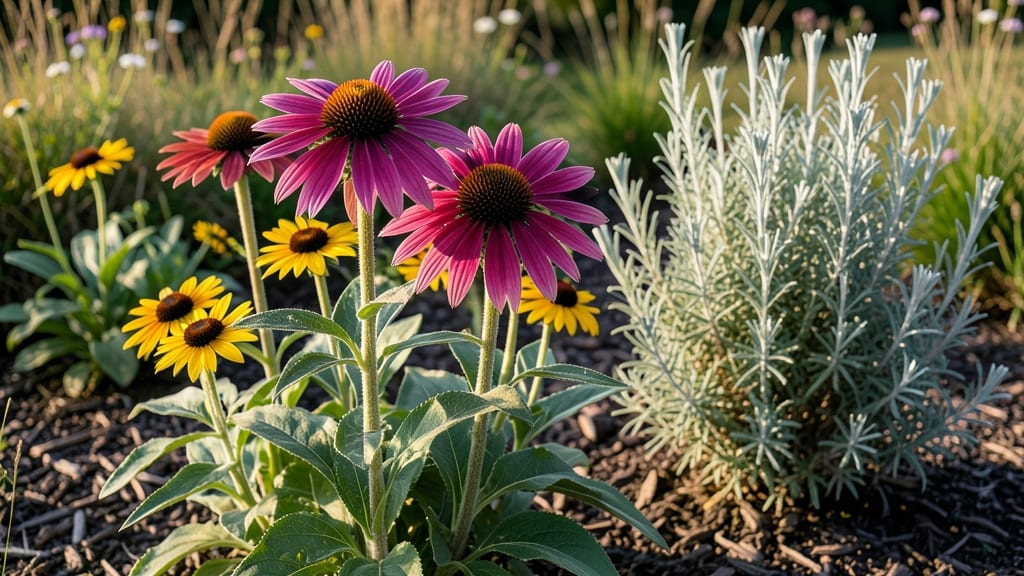
💥 Quick Answer Zone three gardening succeeds with frost-tolerant plants like coneflowers and Russian sage, plus cold-hardy vegetables such as kale and spinach, while frost blankets and cold frames help preserve…
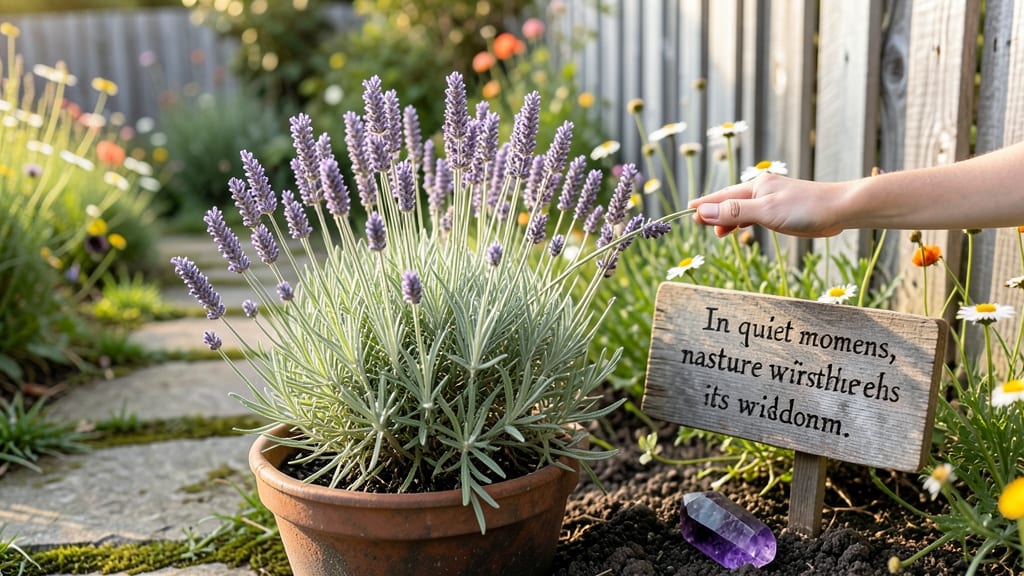
💥 Quick Answer Spiritual gardening quotes create sacred moments in cultivation by weaving together earthly growth and inner reflection, often highlighting themes of patience, natural cycles, and the divine act of…
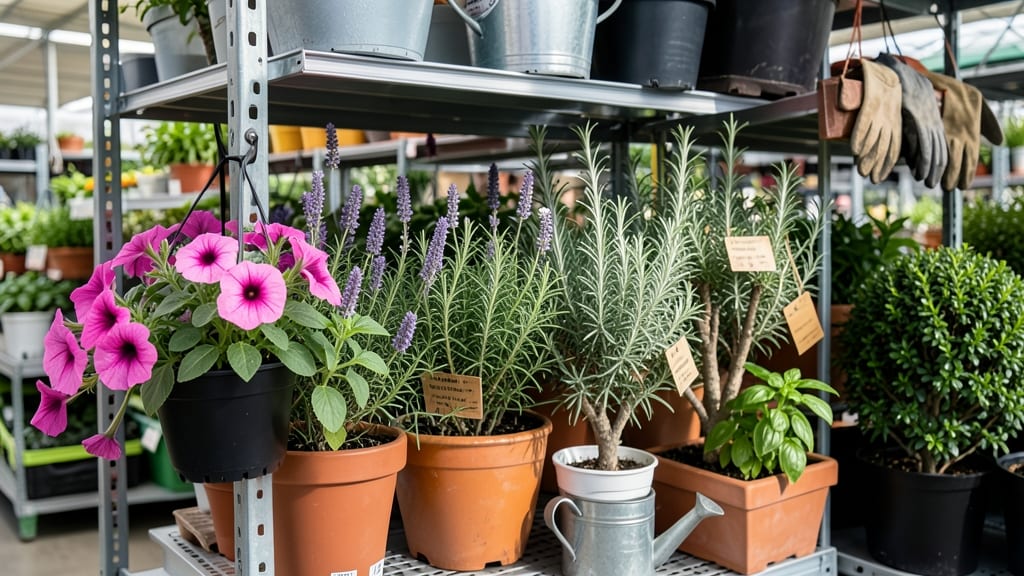
💥 Quick Answer Garden centers showcase a diverse range of types of plants involved in gardening, including annuals, perennials, shrubs, trees, bulbs, herbs, and vegetables, often arranged in companion planting sections…
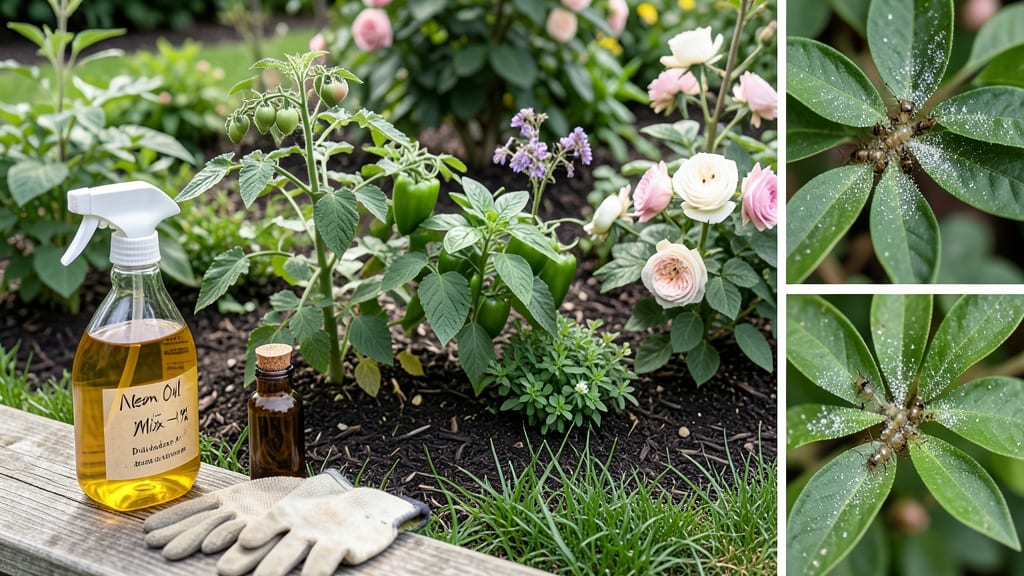
💥 Quick Answer The uses for neem oil in the garden are vast, as it acts as a natural fungicide, insecticide, and plant growth enhancer, effectively combating powdery mildew, aphids, whiteflies, and fungal infections…
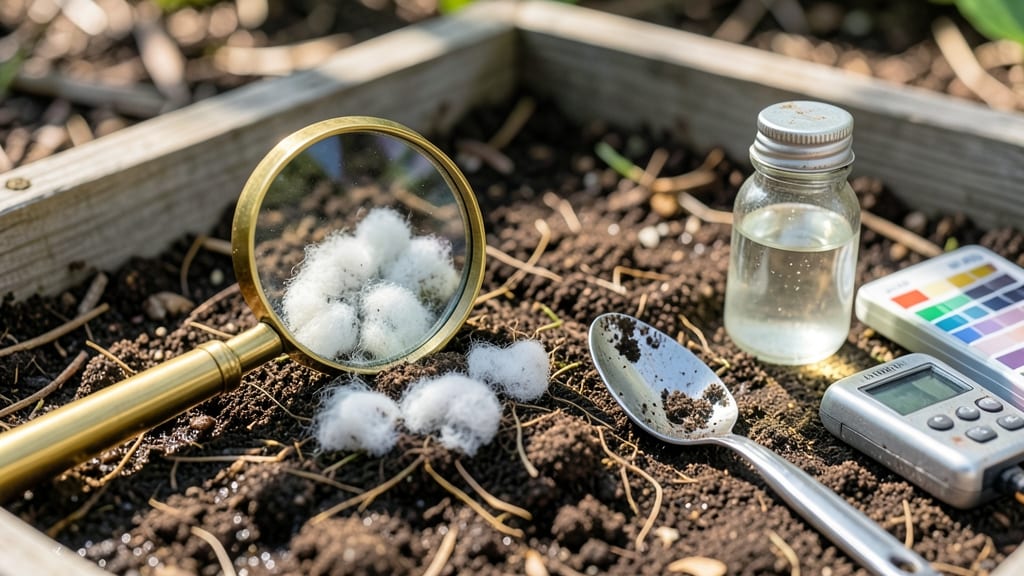
💥 Quick Answer When your garden soil has white fungus, it’s usually harmless mold or beneficial mycelium, but it can also indicate overwatering, poor drainage, or harmful pathogens like powdery mildew. Always identify…
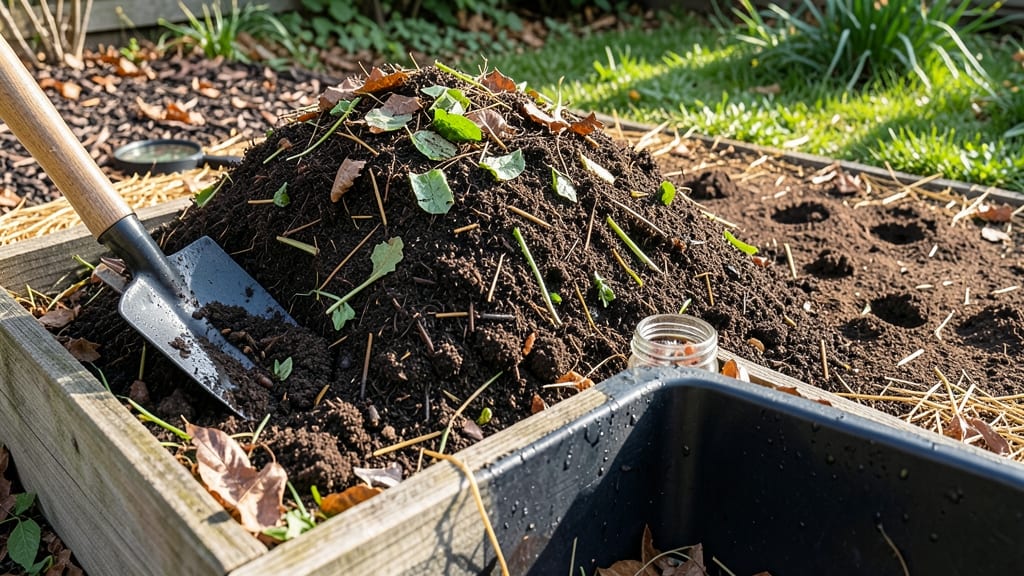
💥 Quick Answer To attract earthworms to your garden, focus on enriching soil with organic materials like compost or leaf litter, maintaining consistent moisture, and avoiding synthetic chemicals. Create shaded spots…
💥 Quick Answer The Fenway Victory Gardens in Boston became iconic during WWII by transforming urban spaces into productive vegetable plots, growing essential crops like carrots, potatoes, and tomatoes to support local…