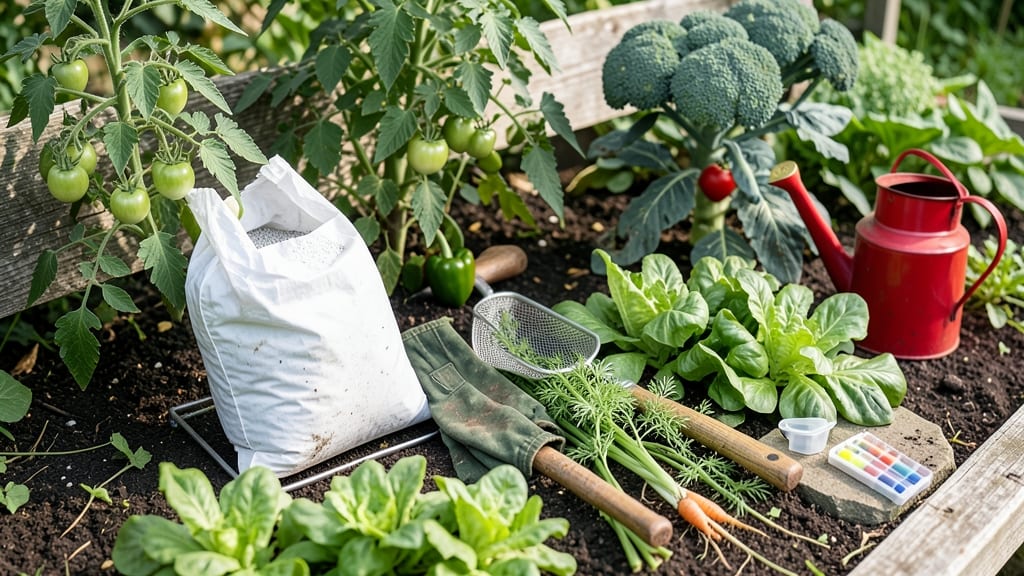
I’ve always had a green thumb—whether it was sneaking seeds from my grandma’s garden as a kid or turning a cracked windowsill into a thriving herb patch in my first apartment. There’s something about watching plants grow that feels like magic, and I want to share that joy with anyone willing to get their hands dirty. This site is where I pass along the tricks, failures, and small victories I’ve learned over the years, so you can grow with confidence (and maybe a few less dead plants along the way).
💥 Quick Answer People plant marigolds in their gardens because these vibrant flowers naturally repel pests like nematodes, aphids, and mosquitoes through their potent scent and chemical compounds. Their pest-deterring…
💥 Quick Answer Caring for Old Man Gardener orchids means providing bright, indirect light, maintaining high humidity, and keeping the roots consistently moist without overwatering. Use well-draining media, trim faded…
💥 Quick Answer The size of a garden you need depends on what you're growing, how much sunlight your plants require, and how you plan to organize your space, with compact designs (10x10 ft) working well for herbs and…
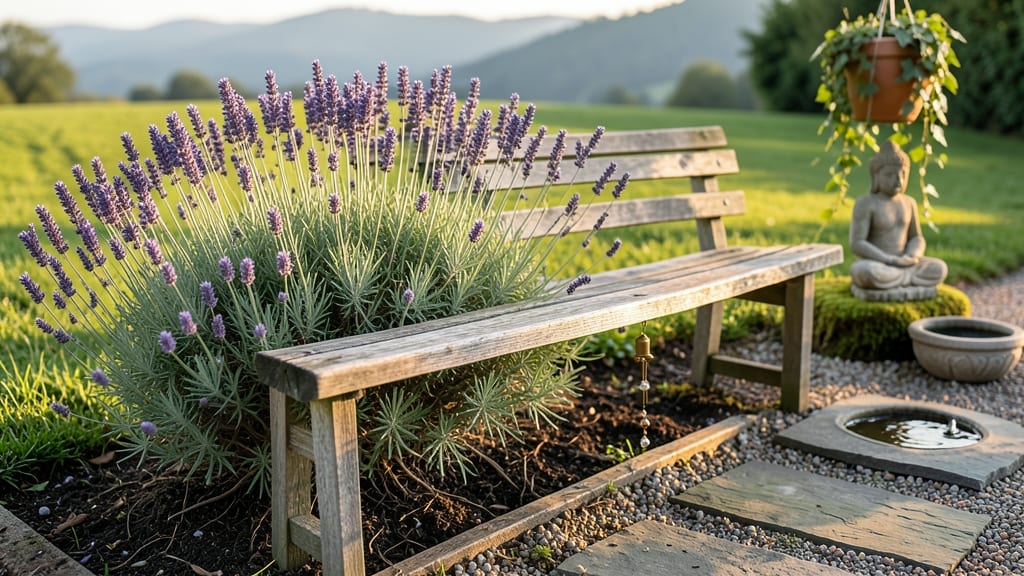
💥 Quick Answer Healing gardens near me provide science-backed wellness benefits, including reduced stress, enhanced mood, and faster physical recovery, through nature immersion with calming plants, meditation areas, and…
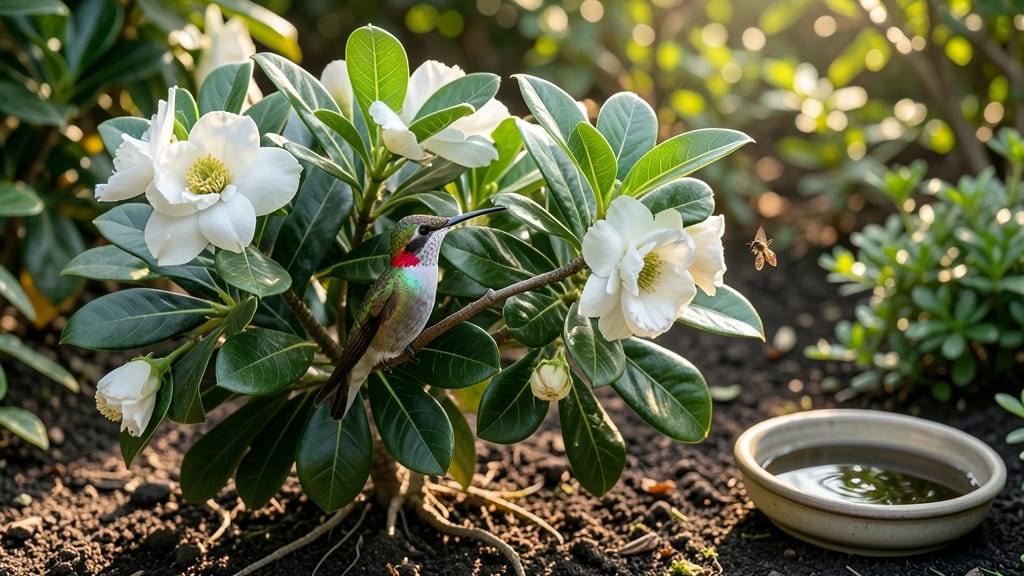
💥 Quick Answer Hummingbirds do like gardenias, especially their fragrant, tubular flowers that provide easy access to nectar—but they favor milder scents and benefit from nearby pollinator-friendly plants like salvias…
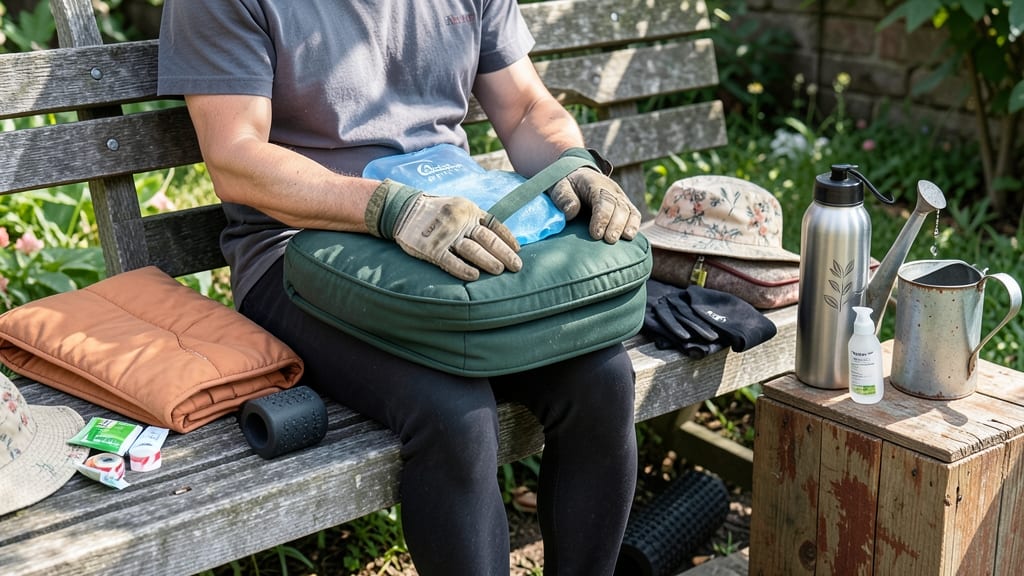
💥 Quick Answer Treating lower back pain after gardening starts with gentle stretches like the cat-cow stretch, child’s pose, and pelvic tilts to release muscle tension. Apply heat or ice, then avoid prolonged sitting or…
💥 Quick Answer Molasses in the garden strengthens plants by feeding soil microbes, deterring pests like aphids and spider mites, and enriching soil with slow-release nitrogen and potassium. Mix 1-2 tablespoons per…
💥 Quick Answer Calcium for vegetable gardens is essential for preventing blossom end rot in tomatoes and peppers, reinforcing plant cell walls, and improving soil structure by maintaining proper pH balance. Use 1-2…
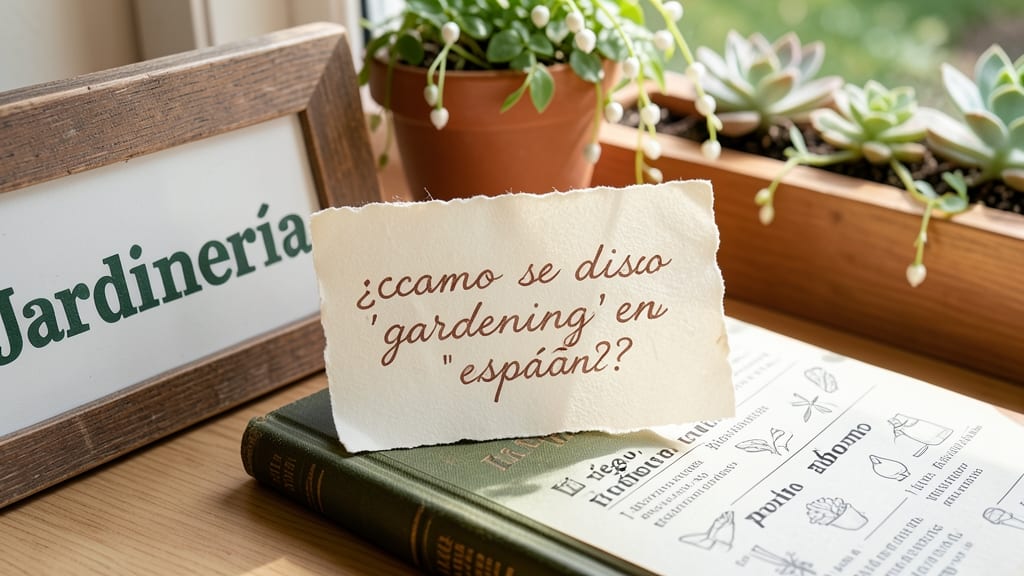
💥 Quick Answer To say 'gardening' in Spanish, use jardineria (pronounced har-dee-nee-ah ), the standard term for the practice. For regional variations, huerto refers to vegetable gardening, while jardinería (same…